
Written by Dr. Abdul Rahim Abdul Wahid
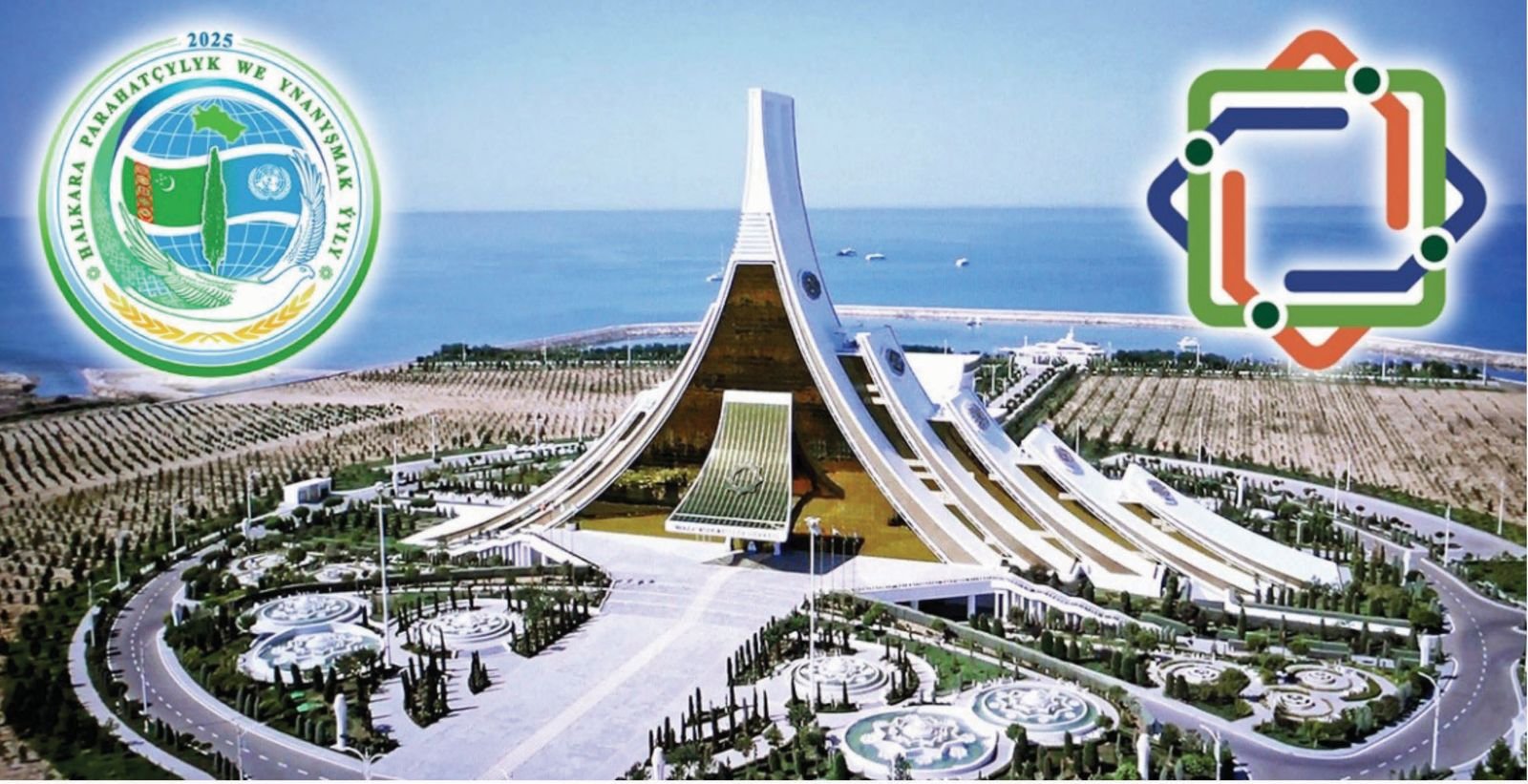
Avaza, Turkmenistan – In a pivotal moment for international development, Turkmenistan will host the Third United Nations Conference on Landlocked Developing Countries (LLDCs) in the Avaza National Tourist Zone, bringing together global leaders, development partners, and civil society to address the pressing challenges and opportunities facing more than 570 million people across 32 landlocked developing countries.
Under the theme “Ensuring Progress through Partnerships,” the Conference will define a new ten-year action plan aimed at supporting LLDCs in overcoming geographical isolation, enhancing trade connectivity, expanding infrastructure, and accelerating integration into global economic systems. The event also aligns with the UN’s broader Sustainable Development Goals (SDGs), reinforcing commitments to equity, economic growth, and resilience.
A Decade of Progress: From Almaty to Vienna to Avaza
The upcoming conference builds on the legacy of two previous UN LLDC gatherings: the Almaty Programme of Action (2003) and the Vienna Programme of Action (2014–2024). Both outlined concrete steps to help LLDCs address structural barriers such as limited access to global markets, high transit costs, and insufficient infrastructure.
Held once every decade, these conferences are global milestones. The Vienna Programme, in particular, galvanized international support for simplifying trade and transit procedures, fostering regional cooperation, and encouraging foreign direct investment in LLDCs.
Turkmenistan’s Global Role and Neutrality
Hosting this year’s forum is a reflection of Turkmenistan’s growing international standing and the nation’s longstanding policy of neutrality, reaffirmed by the United Nations on three separate occasions. This year marks the 30th anniversary of Turkmenistan’s permanent neutrality, a foundation of its foreign policy under the leadership of President Serdar Berdimuhamedov and National Leader Gurbanguly Berdimuhamedov.
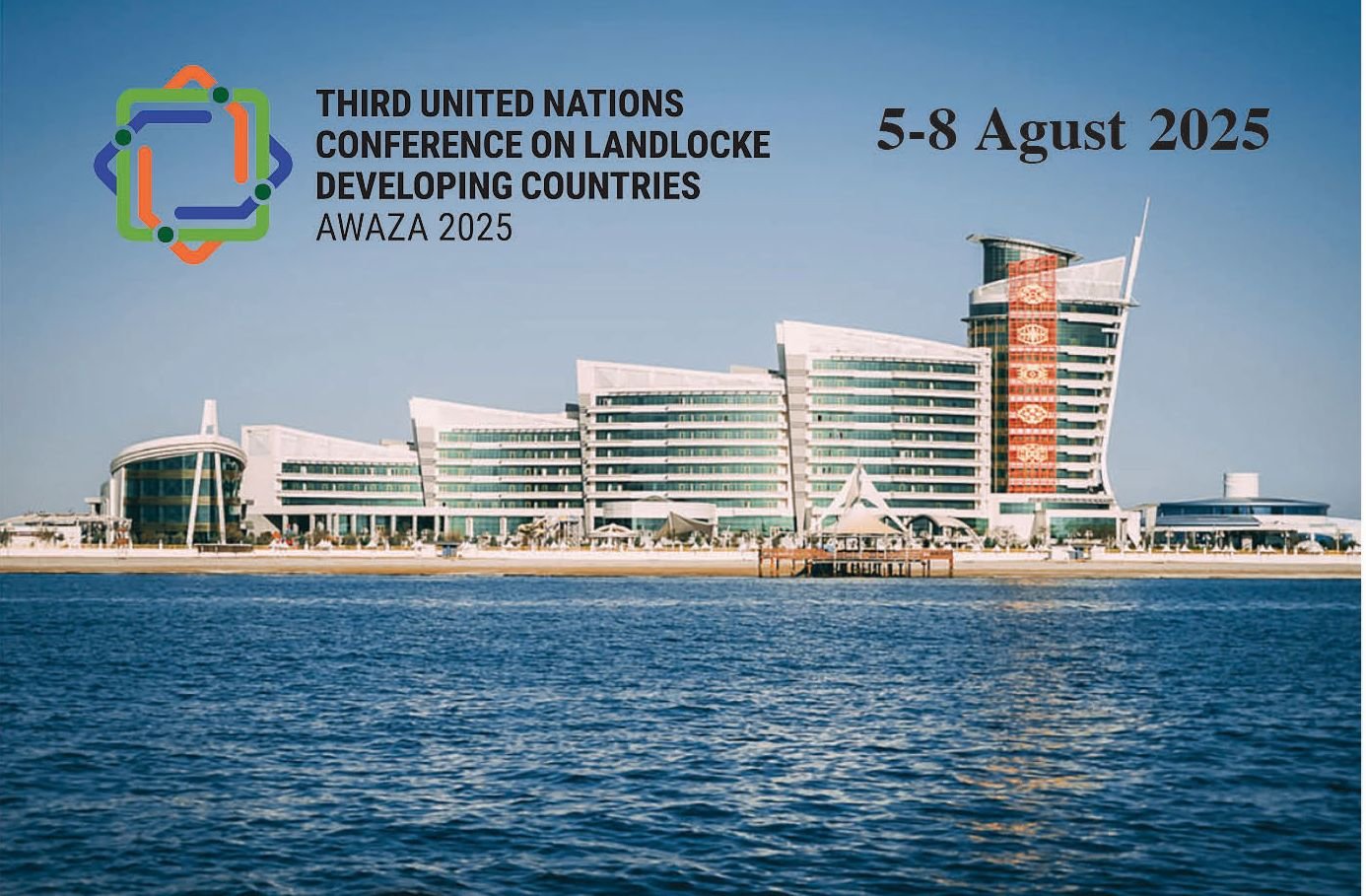
The decision to hold the Conference in Avaza is not only symbolic but strategic, recognizing Turkmenistan’s active role in fostering peace, multilateral cooperation, and sustainable development across Central Asia and beyond.
Responding to New Global Challenges
The 2025 Conference arrives at a time of intensified global uncertainty. Geopolitical tensions, fragmented trade flows, and shifting supply chains continue to affect landlocked economies disproportionately. LLDCs rely heavily on regional stability and international cooperation to secure access to goods, markets, and technology.
The Avaza Conference will seek actionable solutions through strengthened partnerships, investment mobilization, and multi-stakeholder collaboration. Key areas of focus include:
- Developing resilient transport and logistics infrastructure
- Facilitating digital and green transformation
- Promoting climate adaptation
- Enhancing access to financing for small and medium enterprises
- Fostering inclusive economic opportunities, particularly for youth and women
Inclusive Forums and Pre-Events
Starting on August 4, a series of high-level pre-conference events will convene diverse voices from around the globe:
- Civil Society Forum
- Youth Forum
- Parliamentary Forum
- Private Sector Forum
- Intergenerational Dialogue
- Women Leaders’ Meeting
- Thematic Exhibitions and Cultural Events
These gatherings are designed to ensure that voices from all sectors of society—from young entrepreneurs to policy experts—contribute to shaping the future development agenda for LLDCs.
Private Sector and Civil Society: Engines of Transformation
With the LLDC population expected to surpass 1 billion by 2060, the private sector’s role in unlocking new economic frontiers is paramount. According to UN data, the current LLDC market is valued at $836 billion, with vast untapped potential.
Entrepreneurship, foreign investment, and digital innovation are seen as vital drivers for job creation and inclusion. The Private Sector Forum will spotlight investment-ready initiatives and seek to forge partnerships with multinational enterprises to integrate LLDCs into regional and global value chains.
Similarly, civil society participation is a core pillar of the Conference, providing grassroots perspectives and ensuring that adopted policies resonate with local realities. Engaging NGOs, youth organizations, and academic institutions helps bridge policy with practice.
Youth at the Forefront
In alignment with the UN’s commitment to youth engagement, the Conference will empower the next generation of leaders to participate in decision-making and transformation. Young delegates will contribute to shaping long-term policies on trade, sustainability, climate resilience, and innovation.
The inclusion of youth reflects the spirit of the UN Resolution declaring 2025 as the International Year of Peace and Trust, a Turkmen-led initiative that emphasizes the importance of building trust-based international cooperation—especially among LLDCs that rely on neighbors for trade and transit access.
A Comprehensive Organizational Effort
Preparations for the Avaza Conference have been thorough and inclusive. Following the April 11 UN General Assembly Resolution on conference modalities, Turkmenistan and the UN signed a cooperation agreement to ensure world-class coordination and implementation.
President Berdimuhamedov issued a special July 4 resolution to support national efforts. A series of high-level meetings, led by Chairman of the Halk Maslahaty Gurbanguly Berdimuhamedov, reviewed progress, ensured infrastructural readiness, and affirmed Turkmenistan’s commitment to hosting a successful event.
As part of preparations:
- Turkmenbashy International Airport was upgraded to meet international standards
- Tourist, hospitality, and migration services were modernized
- Souvenirs, exhibitions, and cultural programs were curated to showcase Turkmen hospitality
According to Hero-Arkadag, the event will feature seven thematic tracks covering transport, youth policy, energy, environment, circular economy, and more—culminating in a gala cultural concert celebrating diversity and unity.
A Platform for Lasting Impact
The Parliamentary Forum will convene legislative leaders to adopt policies that carry forward the Conference’s commitments at the national level. The final outcome document will lay the groundwork for a new Programme of Action (2025–2035) for LLDCs, focused on transforming economic, social, and environmental systems to ensure sustainable prosperity.
A briefing held on July 18 at Turkmenistan’s Ministry of Foreign Affairs reiterated that this Conference will not be a one-off event, but rather a launchpad for enduring global cooperation and strategic action.
Looking Ahead
By hosting this milestone event, Turkmenistan once again reaffirms its constructive neutrality and global responsibility. The Third UN LLDC Conference is expected to chart a bold course for a more connected, inclusive, and resilient future—not just for landlocked nations, but for the international community as a whole.
As the Caspian coast prepares to welcome world leaders, civil society, and innovators, Avaza stands ready to become a global stage for dialogue, partnership, and progress.


