
Teaching the deaf to survive in a silent war zone: How Gaza is even more dangerous when you can’t hear Israel’s missiles coming
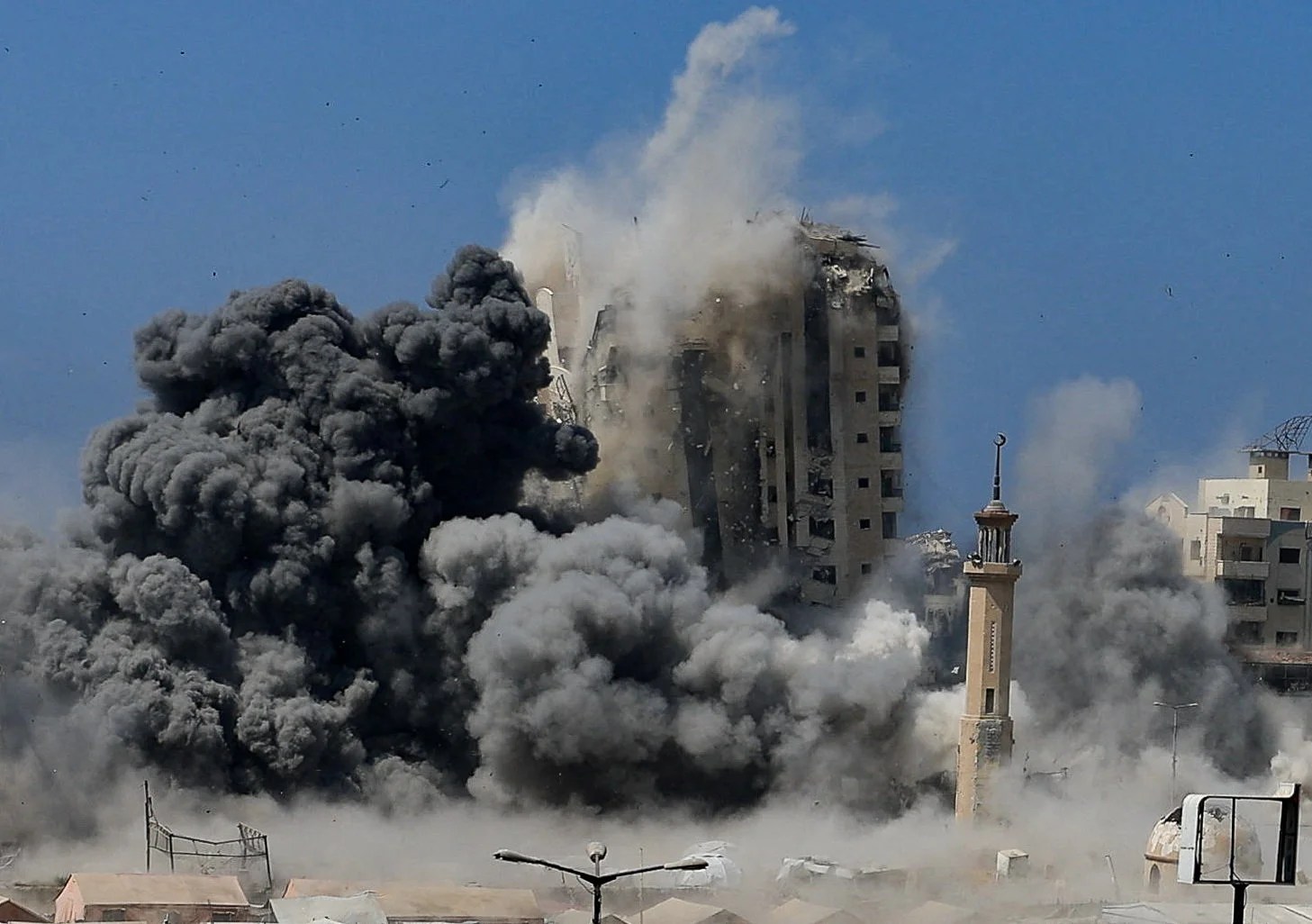
This article first appeared on our partner site, Independent Arabia
Every Israeli bomb that falls on Gaza and shakes the Strip reminds Sara of her son Hussein. Deaf and non-speaking, Hussein had left their tent carrying a pot to bring back food.
When occupation soldiers suddenly opened fire at the hungry crowds lining for aid, Hussein could not heed the danger and was instantly killed in the line of fire.
Hussein’s lifeless body was brought to their tent so that his mother could bid him farewell and bury him. Since that day, Sara has lived in constant fear for the lives of her three remaining deaf and non-speaking children. Whenever she hears gunshots or explosions from raids, she is gripped by anxiety for her children.
Sara carries her grief inside her soul. She mourns a son who could not hear the sounds of raids and shells, the whizzing of bullets or the movement of armoured vehicles.
Her fear for her other deaf children’s lives has led her to forbid them from leaving the tent. She hopes to shield them from the dangers they could face in the ongoing Israeli war on Gaza.
Speaking to Independent Arabia, Sara said: “I went through a great deal of pain when I buried my son, and I don’t want to experience that again with my other children. They are all deaf and at risk in a war where there is nowhere safe to take refuge, so I refuse to let them leave our shelter alone.”
Whenever the tents where displaced people shelter are attacked, Sara holds her children tight, hoping to shield them from the shrapnel. She accompanies them every time they leave the tent.
She explains that she does this out of fear for their safety, as they cannot hear any sounds and could get hurt if there is bombing nearby.
Sara’s only wish was to find a way to help her deaf children sense the bombing and teach them how to avoid danger if a strike hits or gunfire erupts nearby. In this war on Gaza, there is no distinction between targeting hungry civilians and armed militants.
The story of Sara’s family reflects the harsh reality of life in Gaza as a deaf person. Their disability puts them at particular risk due to their inability to hear the sounds of air raids. They are paying for the price of this disability with their lives.
Sign language teacher Fadel Kurraz is desperate to help. Moving between the tents of displaced families, he searches for members of the deaf and hard of hearing community. When he reached Sara’s tent, she felt that her children had been given a lifeline. Fadel had started an initiative to train deaf people to sense bombing and respond in ways that might save their lives.
“When the war erupted, I volunteered to help the deaf and hard of hearing community pro bono,” says Kurraz. “I have worked with sign language for 33 years, and have built a strong bond with people living with hearing impairments. During this conflict, I realised that the community urgently needed practical survival training.”
He notes that deaf people cannot hear the sound of falling bombs and can suddenly find themselves trapped in crossfire. This drove him to visit displaced camps and teach deaf people how to avoid danger during military operations.


