

We are going to have peace in the world, declared President Donald Trump as he inaugurated his “Board of Peace” in Davos, Switzerland, flanked by representatives from a hodgepodge of 19 countries.
A quick scan of the figures, sitting somewhat uncomfortably on stage, revealed a lot. Among them was Hungary’s authoritarian leader Viktor Orban. Glaring absences included the US’s traditional and most powerful European and NATO allies.
The UK, for example, has stayed away for now, concerned by the inclusion of Russia.
Many are presumably reeling from Trump’s repeated insistence on Wednesday that he deserves to takeover Nato-partner Greenland (or Iceland as he kept saying) an action that could itself trigger the end of the alliance and, potentially, war.
But no matter.
After a characteristically rambling speech, in which Trump took aim at the United Nations and congratulated himself on single handedly ending several wars, he heralded the beginning of “beautiful, everlasting and glorious peace”.
He told the group, ranging from Azerbaijan to Paraguay, “You’re the most powerful people in the world.”
“We can do pretty much anything we want to do,” he added with worrying prescience.
And this is the concern.
The fear is that this club, originally created to oversee the implementation of a post-war plan for Gaza, has a charter so broad that it amounts to an attempt by Trump to replace the UN, an institution he has made no secret of hating.
Trump himself has spoken about the board replacing some UN functions and perhaps even making the entire body obsolete one day. (Although he did on Thursday the work of the “BoP” would be done “in conjunction” with the UN).
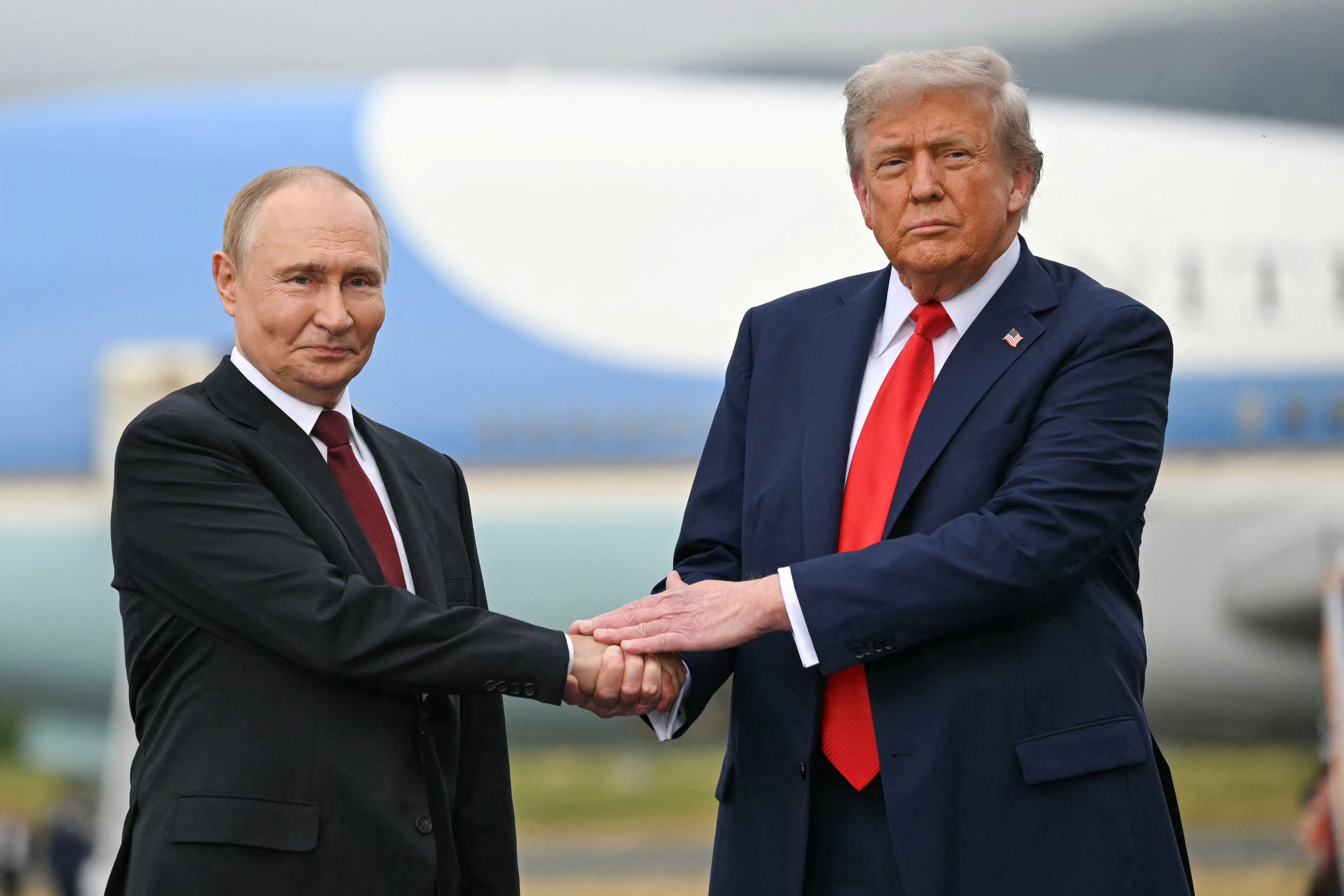
Invites to join the board – which also has Tony Blair as a member – have been sent to leaders of around 60 states, Russian President Vladimir Putin, which has worried Britain.
On Thursday, Putin added an additional layer of absurdity to the proceedings by saying he would be willing to pay the $1 billion price tag for permanent membership of Trump’s peace board using Russian assets frozen by the US in part due to Russia’s full scale invasion of Ukraine.
Behind the scenes, diplomats are concerned that this club, which Trump is apparently set to chair indefinitely, is designed to concentrate decision making power in his hands.
Leaks of the charter shared with the media suggest he would have the power to appoint the membership, which could only be removed by a two thirds veto.
There are unanswered questions about the location of its headquarters, the legal status it would hold, and how its decision-making might interfere with the work of international institutions like the UN.
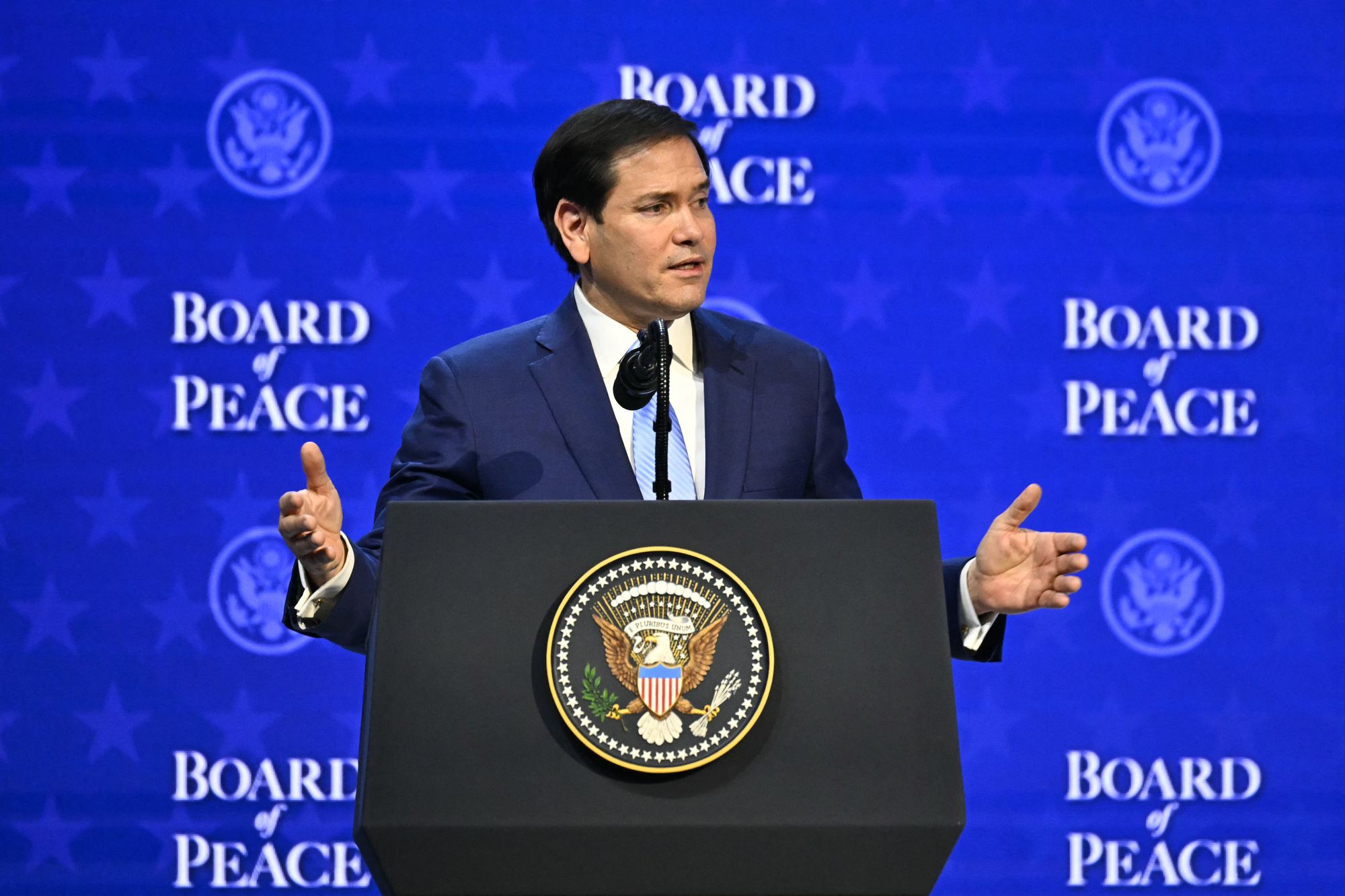
It is telling that those who did sign on publicly include Qatar, Saudi Arabia, Jordan, Turkey and the UAE, all of whom know Trump is the only world leader able to force Israel to abide by the terms of any truce for Gaza and Palestine more broadly.
Others, such as Morocco, Uzbekistan, Kazakhstan and Mongolia, are likely motivated by rare access and leverage.
As Dr Andreas Krieg, from King’s College London told Al Jazeera, this offers a “direct line to the White House” and “buys them insurance” against future exclusion.
This may be especially important for countries like Argentina, who also signed today, given Trump’s emphasis on his so-called “Don-roe doctrine”, which seeks to entrench US dominance in the western hemisphere, or as he sees it America’s “back yard”.
This year alone he has already bombed Venezuela, threatened Colombia and Cuba, and repeated his interest in taking over the Panama Canal. Even though Trump backed Javier Milei in Argentina’s October elections, all know his attention span is short and his actions unpredictable.
The US president has said that a total of 59 countries have signed on, without naming them. Israel, which did not participate in the signing ceremony, is apparently among them.
Secretary of State Marco Rubio said some leaders have indicated they plan to join but still require parliamentary approval, while others that were not invited have requested to sign on.
It remains unclear what can be achieved if key stakeholders such as China, the European Union, Canada, Ukraine, Norway, Sweden, France and the UK have either not committed or have already said no.
But whatever happens this is the strongest indication yet that Donald Trump 2.0, who campaigned on America First and apparent isolationism, is in fact an ambitious interventionist.
He is an expansionist with the mindset of a real estate businessman and that is reshaping the world forever.


