
.jpeg?ssl=1 "Nearly one in four US adults with diabetes are unaware they have it")
Nearly one in four Americans have diabetes and don’t know it, the American Heart Association said Wednesday.
A new report from the association, citing federal data, showed that 9.6 million adults had undiagnosed diabetes and 96 million had prediabetes. Nearly 30 million adults – or around 10.6 percent of the adult population – had diagnosed diabetes in the U.S.
The chronic condition – which occurs when blood sugar levels are too high – is a leading cause of death in the U.S. and a major risk factor for heart disease. It is responsible for more than 95,000 deaths each year, according to the American Diabetes Association.
With the risk of diabetes and other illnesses expected to rise in coming years, the association stressed that the data underscored the importance of raising awareness about diabetes and seeking professional care.
“We are encouraging people to become aware of the connection between conditions so they and their health care team can think about their overall health beyond individual conditions,” Dr. Stacey Rosen, the volunteer president of the American Heart Association, said in a statement.
“Understanding the connection helps you better prevent complications through lifestyle changes and appropriate treatment.”
The findings build on research published last year showing that nearly half of people with diabetes around the world did not know they had the disease.
People might not know they have diabetes because the disease develops slowly and silently over years, often with no visible symptoms. They are more likely to be overweight and develop other conditions, and may have symptoms tied to other maladies.
Some common symptoms include feeling thirsty, losing weight without trying, frequent urination, fatigue and extreme hunger.
“By the time people are diagnosed with diabetes, they have progressed to the point where they’ve already started feeling thirsty or peeing all the time,” Cleveland Clinic endocrinologist Dr. Peminda Cabandugama said last year.
“And so, because it’s not one of those conditions that cause pain until you have progressed so far, I think this is a very common thing that we have noticed as practitioners.”
A sky-high breakthrough
On Thursday, researchers said they had taken another step toward understanding and treating diabetes.
Scientists have long known that people living at high altitudes have a lower risk of developing diabetes. Now, more than a decade later, they say they know why.
It has to do with peoples’ red blood cells, which help ferry oxygen from the lungs to our tissue.
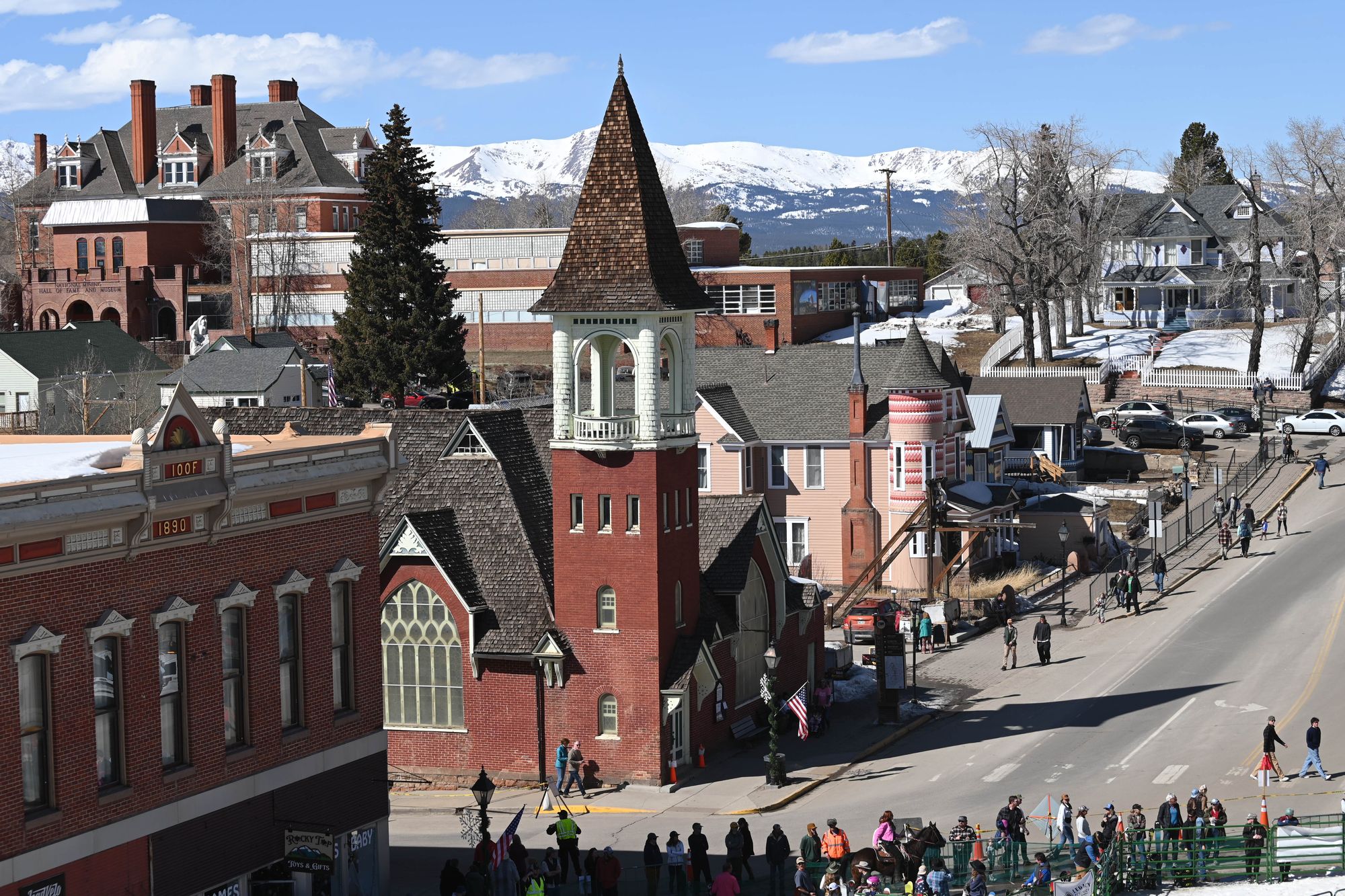
In conditions with low oxygen, these cells act as sponges, soaking up sugar from the bloodstream. They’re better able to deliver oxygen.
“Red blood cells represent a hidden compartment of glucose metabolism that has not been appreciated until now,” Dr. Isha Jain, an investigator at the nonprofit research organization Gladstone Institutes, explained. Jain is also a professor of biochemistry at U.C. San Francisco.
“This discovery could open up entirely new ways to think about controlling blood sugar.”


