
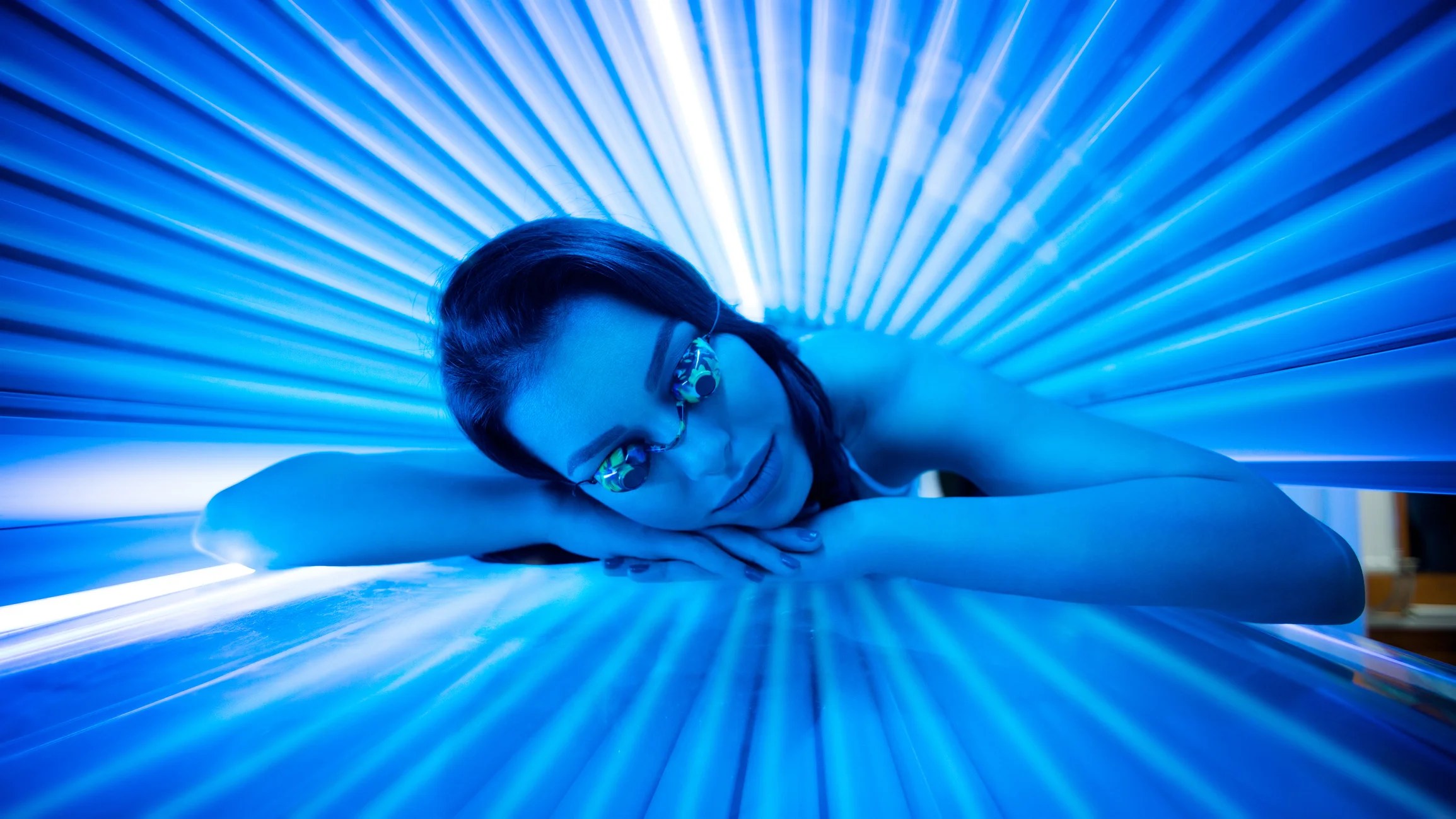
More than 200 cases of children illegally using sunbeds have been recorded across the UK over the past 15 years – including one child aged just 10.
The tanning industry is currently experiencing a boom, with social media and adverts promoting sunbeds as integral to wellness.
Yet this couldn’t be further from the truth, with experts warning sunbeds increase the risk of melanoma – the deadliest form of skin cancer killing about six people a day. Around 100 melanoma deaths in the UK each year are linked to sunbed use, according to charity Melanoma Focus.
It is illegal to allow anyone under the age of 18 to use a sunbed in the UK, but there have been 201 cases where this rule has been flouted.
The figures, uncovered by dermatology experts at The Devonshire Clinic through a Freedom of Information request, revealed 66 councils recorded at least one case of a child using a sunbed between 2010 and 2025. But only eight of those councils issued fines to the salons involved.
“A 10-year-old should never be anywhere near a tanning salon. At that age, children’s skin is extremely delicate, and they cannot possibly understand the long-term consequences of UV damage. The fact this is happening despite legislation suggests enforcement simply isn’t strong enough,” Dr Conal Perrett, consultant dermatologist at The Devonshire Clinic, told the Independent.
Dr Rakesh Anand, consultant dermatologist and British Skin Foundation spokesperson was also “deeply concerned” that illegal sunbed use is being recorded among children and said “stronger enforcement” is needed.
“The scientific evidence is clear, but we’re competing with social media trends and algorithms that hold a strong influence over young people’s minds and perceptions of beauty,” he told the Independent.
The findings come as the advertising watchdog clamped down on tanning firms promoting misleading “safe tanning” claims.
The Advertising Standards Authority (ASA) this week banned adverts from five sunbed-related companies for suggesting their services were safe, offered health benefits or could treat medical conditions including seasonal affective disorder (SAD), psoriasis and eczema.
The regulator ruled the ads were misleading and irresponsible, ordered them not to appear again, and warned future advertising must not suggest sunbeds are safe or beneficial to health.
But the health risks of using a sunbed are even greater for children as their skin is more vulnerable to UV damage than adult skin, Dr Anand explained.
“It’s thinner, still developing, and skin cells divide more rapidly during growth. That means UV damage acquired early in life is more likely to persist, with decades for those changes to accumulate and increase the risk of permanent DNA mutations later on,” Dr Anand said.
“Large studies consistently show that intense UV exposure in childhood significantly raises the risk of melanoma in adulthood, even if exposure stops later in life. As dermatologists, we often see the consequences many years down the line. Rising rates of skin cancer, including more aggressive forms, frequently trace back to UV exposure early in life,” he added.
The World Health Organization (WHO) has classed sunbeds to be as dangerous as smoking. Using a sunbed before the age of 20 increases the risk of melanoma skin cancer by 47 per cent compared to those who have never used one, according to WHO.
The Government has proposed a crackdown on rogue businesses flouting the law and putting children’s health at risk by selling sessions to under 18s.
New proposals under the soon-to-be launched National Cancer Plan will strengthen requirements around commercial sunbed use, including banning unsupervised sessions and introducing mandatory ID checks to verify users are over 18.
Health minister Karin Smyth said: “The evidence is clear: there is no safe level of sunbed use, yet too many young people are being exposed to a known carcinogen with little understanding of the risks.
“These proposals will crack down on rogue operators and ensure the law is properly enforced.”


