

The CIA reportedly carried out a drone strike earlier this month on a dock in Venezuela that the United States has accused of being used as a port for trafficking drugs, marking another escalation of the Trump administration’s military actions in the Caribbean.
The U.S. government believed the site was used by members of Venezuelan gang Tren de Aragua to store and ship drugs overseas, according to CNN.
No one was present at the port at the time of the strike, according to the network’s source. Still, the operation was regarded as a success because it achieved its objectives and destroyed the facility, even if it represented just one of many such docks along the country’s coastline that might be used by smugglers.
President Donald Trump appeared to acknowledge the operation in comments made on Friday, saying the U.S. had struck a “big facility where ships come from” during a radio interview.
Asked again on Monday, the president said American forces had attacked “the dock area where they load the boats up with drugs.”
“So we hit all the boats, and now we hit the area,” the president added. “It’s the implementation area, that’s where they implement, and that is no longer around.”
The Independent has requested comment from White House, CIA, and Department of Defense.
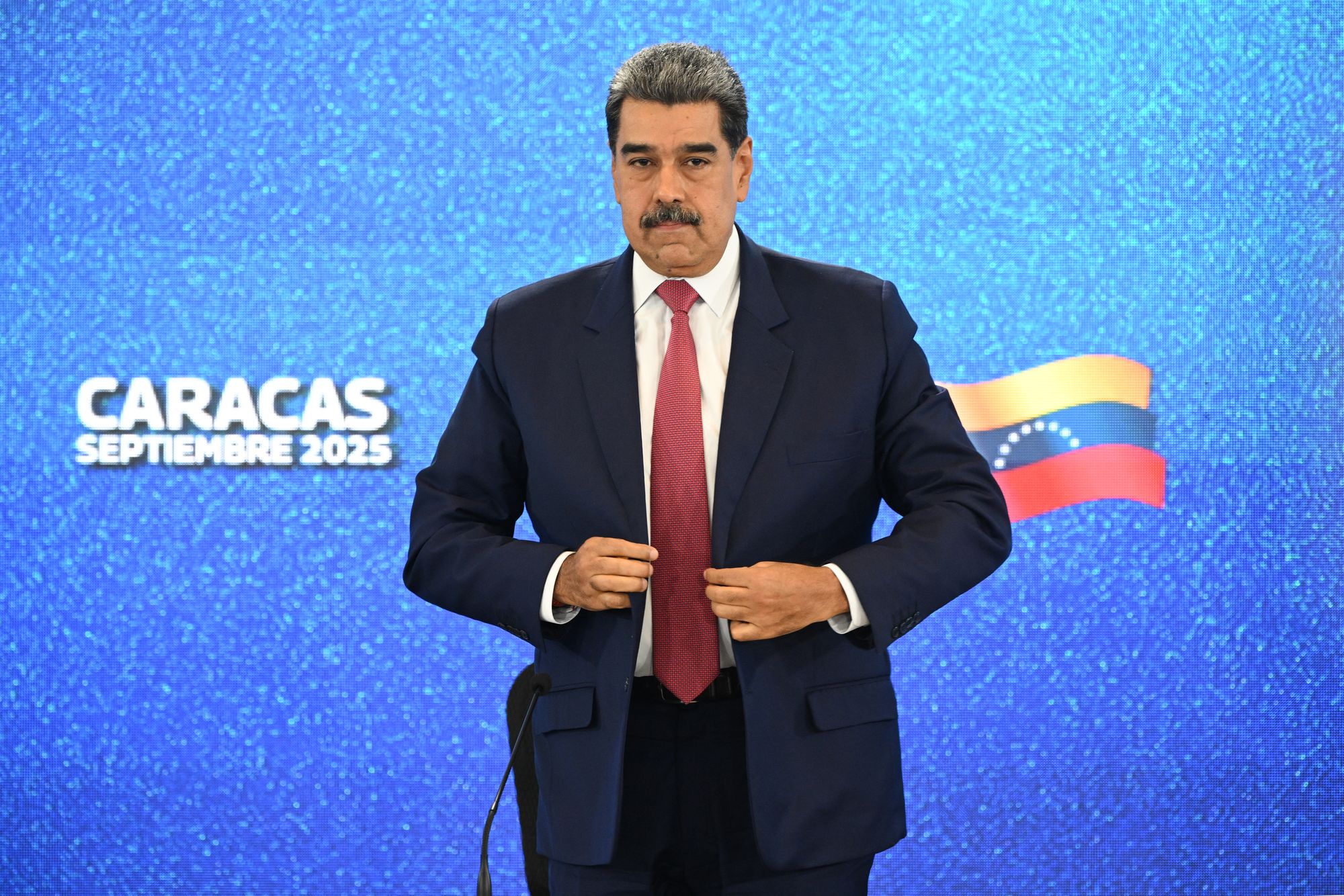
The episode marks the latest escalation of tensions between the U.S. and Nicolas Maduro’s regime after the Coast Guard seized a second sanctioned oil tanker last week and pursued a third, following months of deadly strikes on alleged drug boats in the Caribbean and eastern Pacific that have resulted in the deaths of more than 100 people.
The United States has meanwhile overseen a huge buildup of naval assets in the region, instigated a blockade of Venezuelan oil allegedly bound for sanctioned countries, and warned that land strikes, like the dock blast, will soon follow.
Administration officials are facing growing legal and political scrutiny into the deadly campaign and allegations that the attacks amount to illegal extrajudicial killings, which law-of-war experts speaking to The Independent in recent months have labeled outright murders and war crimes.
Administration officials insist that the two dozen strikes are fully within legal bounds, supported by the administration’s notice to Congress that the United States is formally engaged in an “armed conflict” with drug cartels that the president has labeled “unlawful combatants.”
Both Republican and Democratic members of Congress want answers, with GOP Sen. Rand Paul recently warning against actions that amount to “provocations” and “a prelude to war.”
That has not stopped Trump and Defense Secretary Pete Hegseth from brushing aside their objections and engaging in saber-rattling rhetoric, with the latter recently comparing the cartels of Central America to al-Qaeda.
“These narcoterrorists are the al-Qaeda of our hemisphere,” he said at the Reagan National Defense Forum earlier this month. “And we are hunting them with the same sophistication and precision that we hunted al-Qaeda.”
Venezuela is not a major cocaine-producing country, according to the United Nations Office on Drugs and Crime (UNODC). Virtually all coca crops are inside Bolivia, Peru and Colombia, and the Drug Enforcement Administration under Trump did not mention Venezuela in a March report on the state of cocaine trafficking.
In another apparent escalation of the president’s militarized campaign against drug traffickers, Trump recently declared fentanyl a “weapon of mass destruction,” though that drug, which is used in hospitals across the United States, is also not manufactured in Venezuela or present on the boats allegedly smuggling drugs into the country.


