

King Charles has urged people to attend cancer screenings, as he opened up about his own diagnosis.
The 77-year-old monarch said he had been “deeply troubled” to learn that at least 9 million people in the UK are not up to date with the cancer screenings available to them, warning of missed opportunities.
In the personal message released on Friday in support of Stand Up To Cancer, he announced his own treatment would be rolled back in the new year in what he called a “personal blessing” following an “overwhelming” journey.
Leading cancer charity Cancer Research UK said that the King’s candour about his experiences battling the disease “can prompt others to check in on their health and speak to a GP if something is worrying them”.
Charles revealed he had been diagnosed with a form of cancer in February 2024. While Buckingham Palace has not specified what type of cancer he has, officials said it was discovered after treatment for an enlarged prostate revealed “a separate issue of concern”.
In his address, which was recorded at Clarence House two weeks ago, the King urged Britons to overcome “embarrassment” and make use of screening programmes, warning that early detection is “key”.
Here is everything you need to know about getting a cancer screening.
Do I need a cancer screening?
In his broadcast, the King unveiled a new national Screening Checker that allows people to check their eligibility online.
The checker, provided by Cancer Research UK, can be accessed on the Stand Up To Cancer website here.
Cancer Research UK warns that the checker does not provide medical advice and should be used for information purposes only.
How can I get a cancer screening
Eligible people are usually automatically invited to cancer screening programmes, which are run by the NHS and Public Health Agency (PHA) in the UK and Northern Ireland.
But the Screening Checker can be used to see if you are eligible to take part in national programmes.
If eligible, Cancer Research UK says you will receive a screening invitation in the post that will explain the test and the pros and cons, which should help you to decide whether to go ahead.
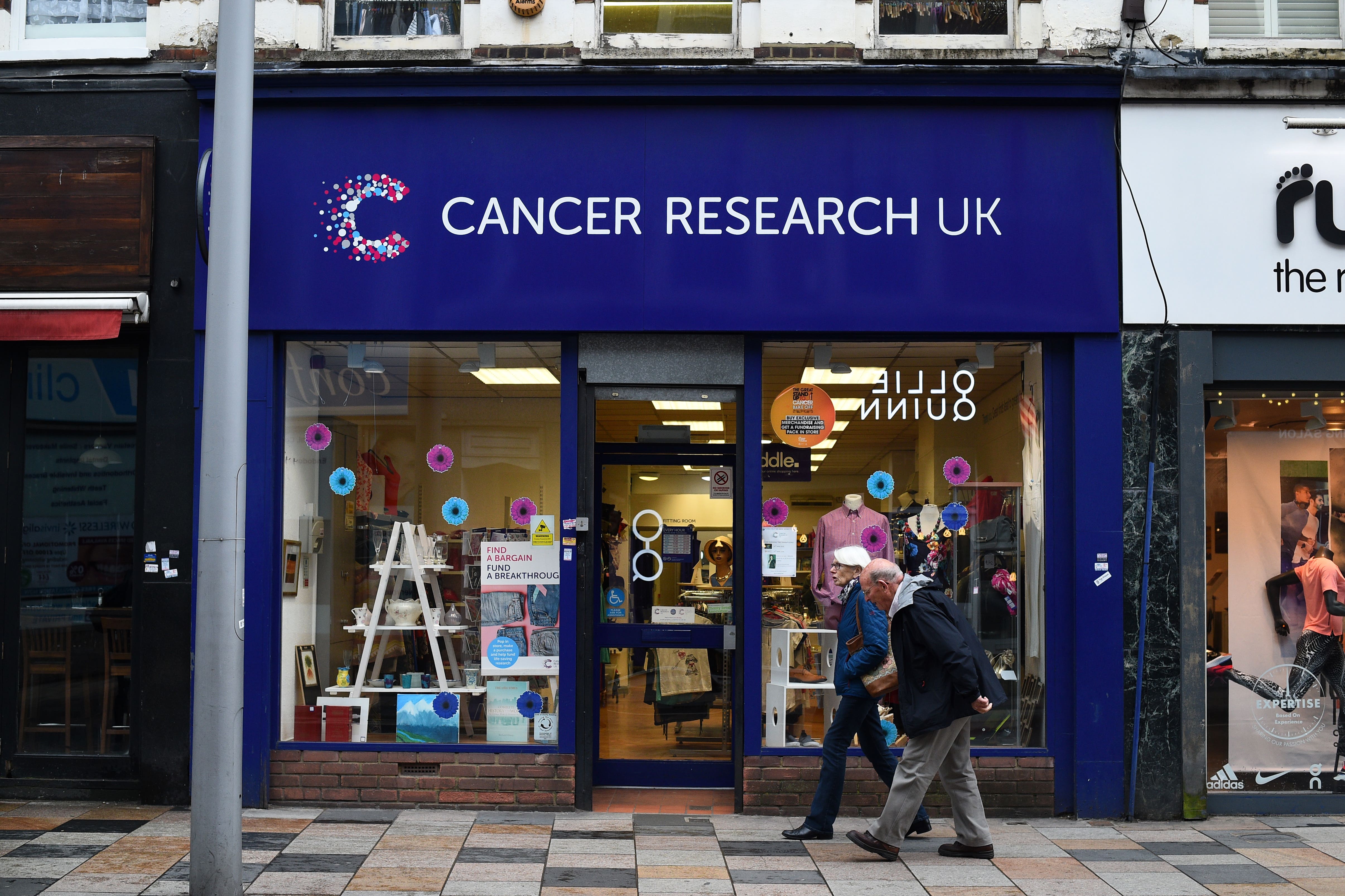
It warns that while cancer screening saves thousands of lives each year, the tests are not perfect and there are some risks involved in taking part.
The charity explains that cancer screening is for people without symptoms, with the aim of spotting the disease at an early stage when treatment has a higher chance of success, or even to prevent it from developing in the first place.
What if I have symptoms?
Cancer Research UK advises people with symptoms or health concerns to contact their GP.
The checker and cancer screening are not for people who have symptoms.
If you have noticed something unusual or that concerns you, the charity urges you not to wait for a screening but to talk to your doctor as soon as possible, even if you have recently been screened.
It says: “They’ll want to hear from you and you won’t be wasting their time. In most cases, it won’t be cancer, but if it is, spotting it at an early stage can make a real difference.”


