
‘I’m 12 and had a heart transplant because of a disease that affects only 13 people in the world’

When 11-year-old Trey Taylor woke up from the coma he had been in for six weeks, he discovered he had a new heart.
Trey, now 12, remembers waking up in a white room, feeling frightened and desperately wanting to speak to his father, but being unable to make any sound. His vocal cords had swollen after weeks on a ventilator, leaving him unable to talk for several days.
He said: “Dad said he could see the fear in my eyes when I found out I couldn’t speak. He saw them expand.”
Trey also found out he had a rare condition that is believed to affect just 12 other people in the world.
He is living with an exceptionally rare strain of LMNA gene-related muscular dystrophy, which affects all the muscles in his body, including his heart.
Less than two months beforehand, he had been shopping with his mother when he suddenly felt ill and began throwing up.
His family thought Trey had norovirus. But as he became more unwell over the following days, he was rushed to hospital, where doctors found his heart was dangerously enlarged.
“That’s when I knew something was very bad,” his mother, Elise Taylor, told The Independent. “I was under the impression my son had norovirus… so to then be told 48 hours later that he was in multi-organ failure and he was actually dying became very scary and overwhelming.”
While Trey was in an induced coma, he was transferred to Great Ormond Street Hospital (GOSH) for a heart transplant. For his mother, one of the biggest struggles was not being able to talk to her son for so long.
“That was really hard, because we love a little chat and we are always singing, we’re always doing silly things, and we’re always together,” she said.
“I really felt like part of me was missing, and the only thing I could do about it was stay by his bed and read to him, hoping that he knew I was there.”
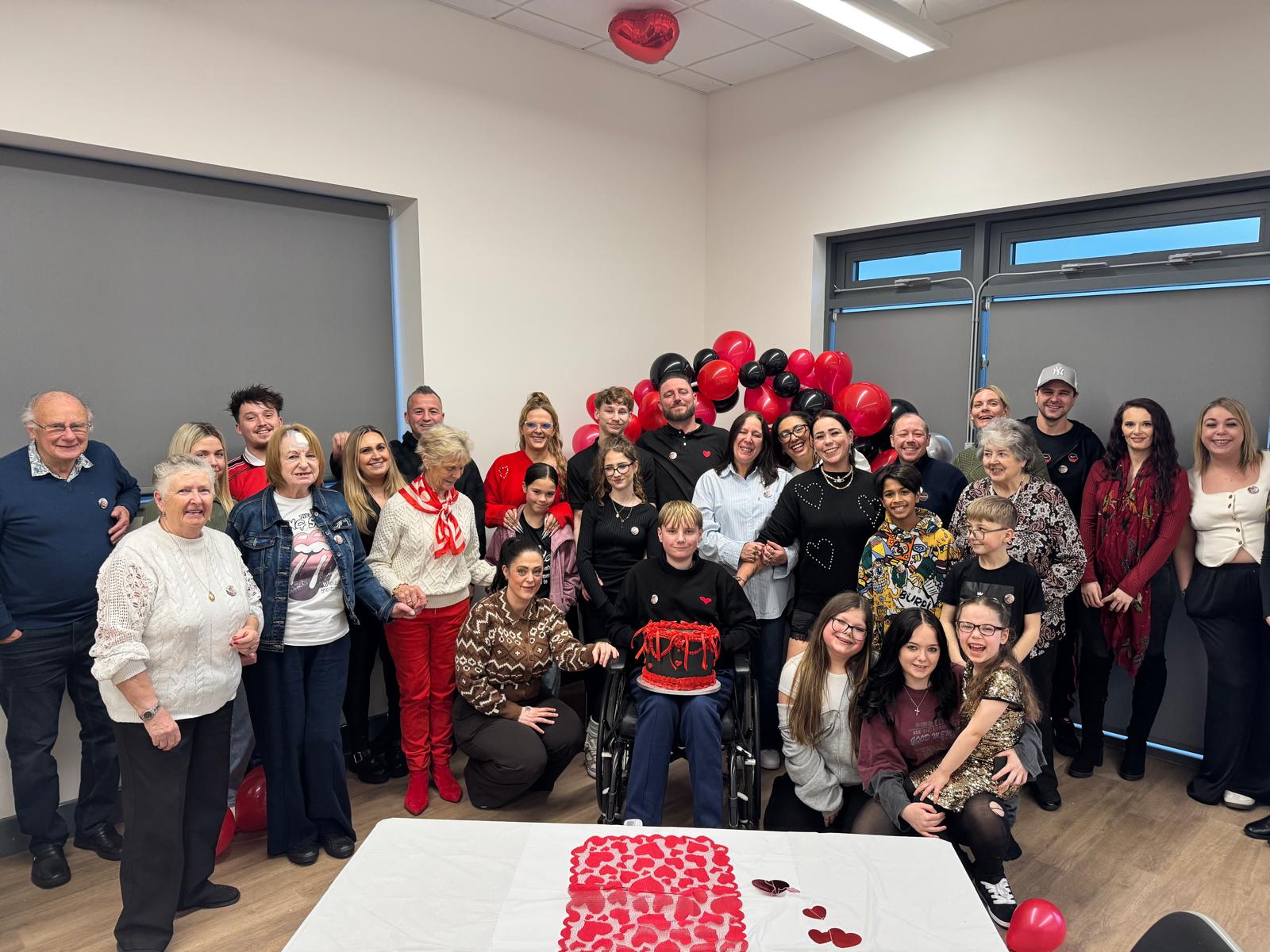
Because of his condition, the protein in Trey’s leg muscles is unable to regenerate, which means he cannot walk freely and needs a wheelchair.
A year on from his transplant, he said the biggest challenge is trying to explain his condition to people. People will assume that he is paralysed and cannot move his legs, which is not true.
“If everybody had just a little bit more knowledge and understanding, then I think it would make the world more inclusive,” Ms Taylor said.
Despite the hurdles, he said he was happy to find out how unique his condition was: “Because I’m one of 13 and I’m not ordinary anymore.”
Ms Taylor said her life goal is to encourage as many people as she can to become organ donors. “It feels freaky, but it saves lives, and Trey’s proof of that,” she explained.
“I never thought of it or saw it like that until I was there, but I wish I had known many years ago. I would have spent a lot of years making sure everybody I’m related to and everybody I know had opted in and decided to donate all their organs.”
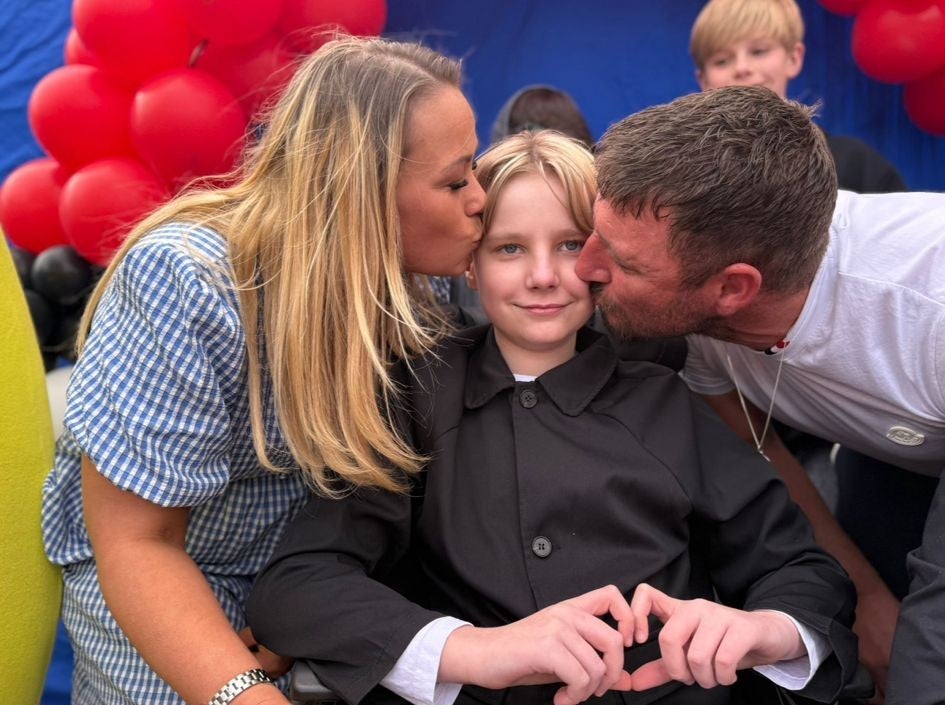
Aoife Regan, director of impact and charitable programmes at GOSH Charity, said: “We’re so happy to see Trey celebrate one year since his heart transplant and we’re wishing him and his family all the best as he continues his recovery.”
Marking Rare Disease Day on 28 February, the charity called for more research into rare childhood diseases that are affecting children like Trey.
Rare Disease Day aims to create more awareness and change for the 300 million people who live with a rare disease across the world.
GOSH Charity is the largest dedicated funder of child health research, and has invested more than £70m towards research into rare or complex childhood diseases.
“Trey’s journey shows what specialist care can do and is also a powerful reminder of the need for further research into rare diseases,” Ms Regan added.
“Half of all rare diseases affect children and as new discoveries are made, it is vital that no child is left behind to make sure promising breakthroughs and treatments can reach the children who need them.”


