
Kazakhstan & GCC: A Shared Vision for a Future Built on Sustainability, Innovation, and Green Diplomacy
Written by Dr. Abdul Rahim Abdul Wahid
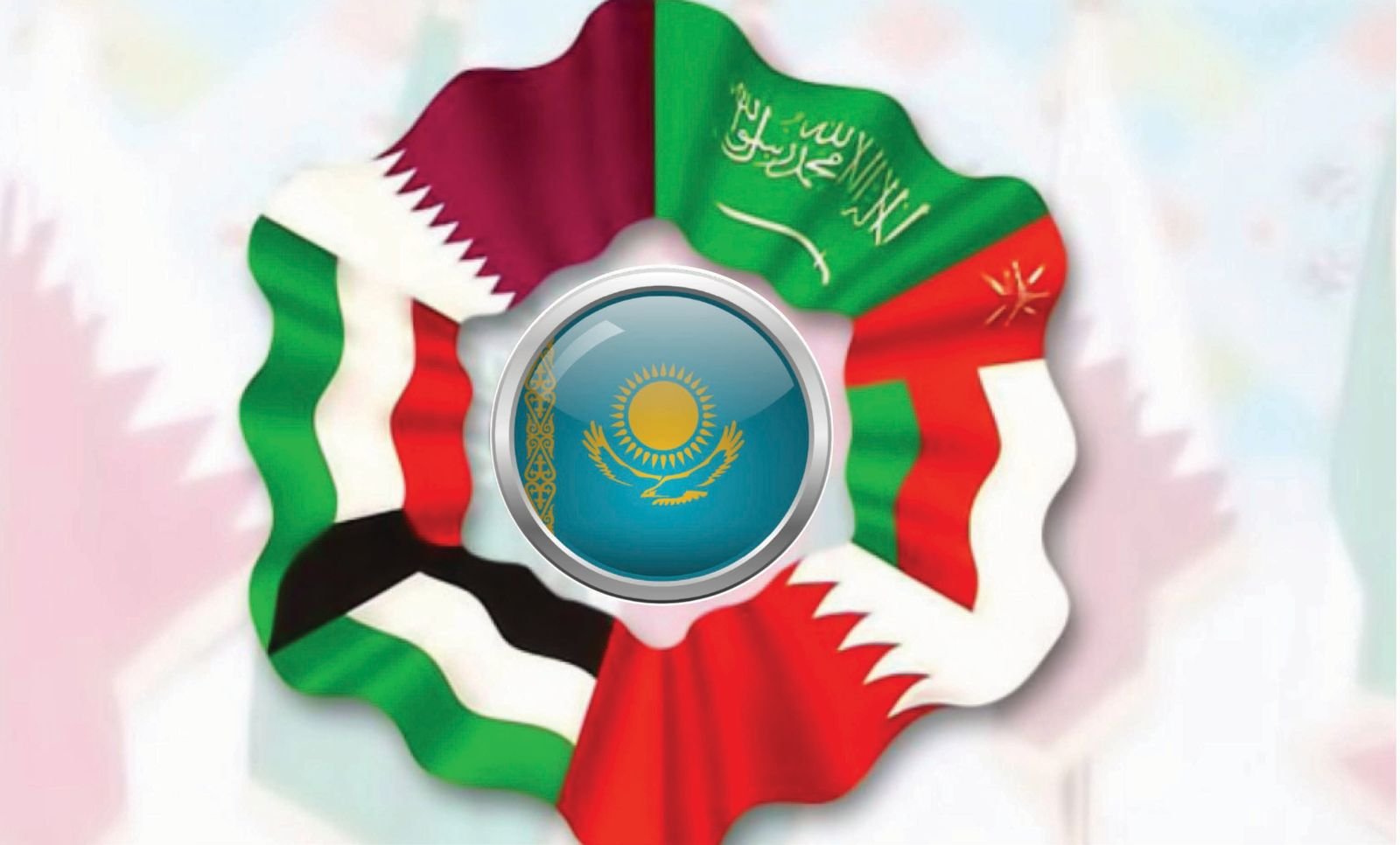
Astana – Amid rapid geopolitical shifts and the growing prominence of Central Asia in the global landscape, Kazakhstan today stands as a strategic bridge between East and West — linking the vast resources of Central Asia with the ambitious capital of the Gulf. In recent years, a new chapter of partnership has emerged between Kazakhstan and the Gulf Cooperation Council (GCC) countries — Saudi Arabia, Qatar, the United Arab Emirates, Kuwait, Bahrain, and Oman — where shared visions of development and economic ambitions converge across energy, agriculture, Islamic finance, digitalization, and sustainable logistics.
As the Gulf rises as a global hub for oil and investment, Kazakhstan has strengthened its bilateral ties through major initiatives and projects — from its strategic partnership with the UAE in infrastructure and renewable energy, to its growing economic and political cooperation with Saudi Arabia in wind and green agriculture projects, to the multi-billion-dollar investments led by Qatar in gas, energy, and advanced technologies. Kazakhstan’s relations also extend to the remaining GCC countries through joint summits and forums that have deepened dialogue on food security, transport, water, and climate issues.
What unites Kazakhstan and the Gulf States goes beyond mere economic interests or geopolitical calculations — it is a shared vision for a future founded on sustainability, innovation, and green diplomacy. Both regions are now building a new axis of cooperation between Central Asia and the Arab world, reshaping the map of energy, investment, and regional integration in the 21st century.
Kazakhstan’s rapprochement with the Arab Gulf countries is becoming part of a new geopolitical architecture linking East Asia, Central Asia, the Middle East, and Africa. Experts describe this as an “independent southern axis for cooperation among fast-growing regions.” Both regions also share a dependence on fossil fuels — a factor that, according to analysts, creates opportunities for a joint energy transition through a post-hydrocarbon alliance involving Kazakhstan and the Middle East.
The final episode of the television program “Great Diplomacy” on the Jibek Joly channel is dedicated to Kazakhstan’s growing engagement with the Gulf States, which have become key centers of gravity in global politics and investment, according to Kazinform reports.
Kazakhstan and the Gulf: A Common Ground
The Gulf States today control up to 60% of the world’s oil reserves and about 40% of global gas, actively investing oil revenues into economic development. The region is rapidly enhancing its global presence, shaping new agendas for international politics and business. Since its founding in the early 1980s, the GCC has evolved into an independent player in international relations.
Since 2022, cooperation between Central Asia and the Gulf has reached a new level. Following the meeting of foreign ministers in Riyadh and the leaders’ summit in Jeddah, the first expert forum between the two regions was held, focusing on energy, transportation, food security, and water resources.
Kazakhstan has promoted the Astana International Financial Centre as a key platform for Gulf investments. In 2023, the first-ever Central Asia–GCC Summit took place in Astana, where both sides agreed to establish joint funds and transport corridors across the Caspian Sea.

Strategic Partnership with the UAE
In recent years, relations have deepened significantly. Kazakhstan established a strategic partnership with the UAE in 2021 and with Qatar in 2024, while strengthening its ties with Saudi Arabia and other Gulf nations.
The UAE has invested over $3 billion in Kazakhstan’s economy, and bilateral trade is expected to reach $1 billion annually. The Emirates is also participating in the development of Aktau and Kuryk ports, giving Kazakhstan access to Gulf maritime routes, while Kazakh investors are building the country’s largest renewable energy project — a 1-gigawatt wind farm in the Zhambyl region.
The Gulf States represent an important source of potential investment. During mutual visits, multi-billion-dollar joint project portfolios have been signed, focusing on five strategic areas: energy, logistics, agriculture, Islamic finance, and digitalization.
Kazakhstan’s active engagement in the region extends beyond economics. Astana increasingly participates in major political and environmental forums. For instance, in January this year, President Kassym-Jomart Tokayev addressed the Abu Dhabi Sustainability Week Summit — one of the Arab world’s leading global platforms on climate, energy, and future technologies.
Political analyst Amin Zhaparov notes that Kazakhstan’s interests with the Gulf States are deeply rooted and now expressed through pragmatic cooperation shaped by geopolitical dynamics and trade route restructuring. “Saudi Arabia,” he said, “is among our most important regional partners. Our relations today are pragmatic — built not between a leader of the Islamic world and Kazakhstan, but between two equal states focused on development.”
Zhaparov adds that Kazakhstan benefits from the Arab world’s neutrality, geopolitical stability, and strong ties to global business. He argues that religion is gradually giving way to national priorities: “If a resident of Saudi Arabia or Qatar once said ‘I am a Muslim first,’ today he says, ‘I am a citizen of my country.’” This shift, he concludes, has elevated Kazakhstan’s interaction with the Arab world, opening new markets and opportunities.
Saudi Arabia and Kazakhstan: Toward Green Diplomacy
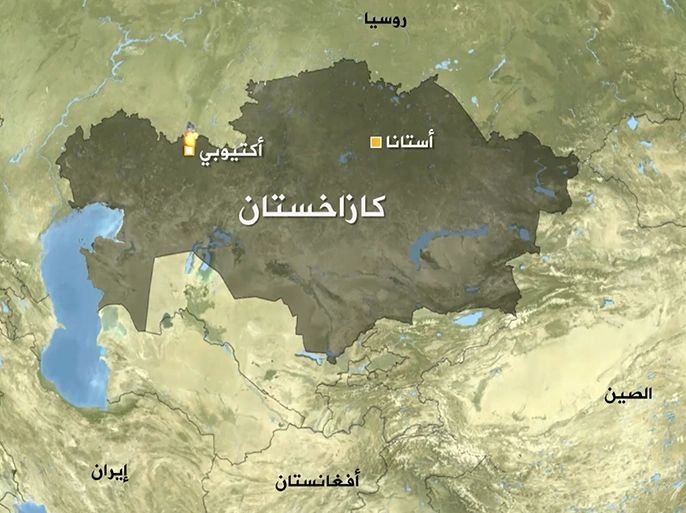
Relations between Kazakhstan and Saudi Arabia are growing stronger and gaining strategic importance. Bilateral cooperation now spans investment, energy, agriculture, and environmental issues.
According to UN Comtrade data, Kazakhstan exported over $10 million worth of goods to Saudi Arabia last year — primarily non-ferrous metals, meat, and machinery — while importing around $3 million worth of pharmaceuticals, fruits, and nuts.
Saudi investment in Kazakhstan’s economy has exceeded $110 million, with one of the largest projects being the 1-gigawatt wind farm in Zhetysu, developed by Saudi Arabia’s ACWA Power at a cost exceeding $1.5 billion. Both countries are also working closely on the global environmental agenda. Saudi Arabia supported the One Water Summit in Riyadh, an initiative proposed by President Tokayev himself.
Middle East expert Samal Tulyubayeva attributes the growing closeness between Kazakhstan and Saudi Arabia to sweeping reforms underway in the Kingdom. “Saudi Arabia is undergoing a massive modernization process — economically, politically, socially, and culturally,” she said. “Long seen as conservative and closed, the country has embarked on an economic liberalization path under Crown Prince Mohammed bin Salman. It is now one of the world’s largest investors — including in our country.”
Tulyubayeva noted that the Kingdom is actively diversifying its economy, reducing its dependence on oil. Despite its harsh climate, Saudi Arabia now produces nearly 50% of the Gulf region’s agricultural output and invests heavily in farming to secure food imports. “The Kingdom values cooperation with nations that have strong agricultural traditions,” she explained. “Kazakhstan is one of them — with fertile land, a favorable climate, and some of the best wheat varieties in the world. Our organic meat, especially lamb, is in high demand globally for its quality and nutritional value.”
Tulyubayeva also emphasized Saudi Arabia’s pivotal political and spiritual role in the Arab and Islamic worlds — as the birthplace of Islam and the Arabic language, a promoter of interfaith dialogue, and a key mediator in Middle Eastern peace efforts. “It is a regional and global actor that the international community must take seriously,” she concluded.
Environmental and sustainable development cooperation has become a cornerstone of Kazakh–Saudi relations. “Joint work in green technologies and the green economy,” said Tulyubayeva, “is crucial for both Central Asia and the Middle East — regions highly vulnerable to climate change. Central Asia faces severe warming, while the Gulf suffers from water scarcity. Collaboration in this field is both vital and timely, and we expect many exciting projects ahead.
Qatar and Kazakhstan: A Distinctive Partnership
Qatar, one of the world’s wealthiest nations, has deepened its ties with Kazakhstan through proactive diplomacy. President Tokayev’s 2022 visit to Doha marked the beginning of a new era in bilateral relations.
Qatari investment in Kazakhstan surged from $8.9 million in 2023 to $156.4 million in 2024, with plans to invest nearly $20 billion over the coming years. Bilateral trade exceeded $10 million in 2023, driven largely by meat and livestock exports. Cooperation also extends to security, labor migration, and transportation, making this partnership strategic and multifaceted.
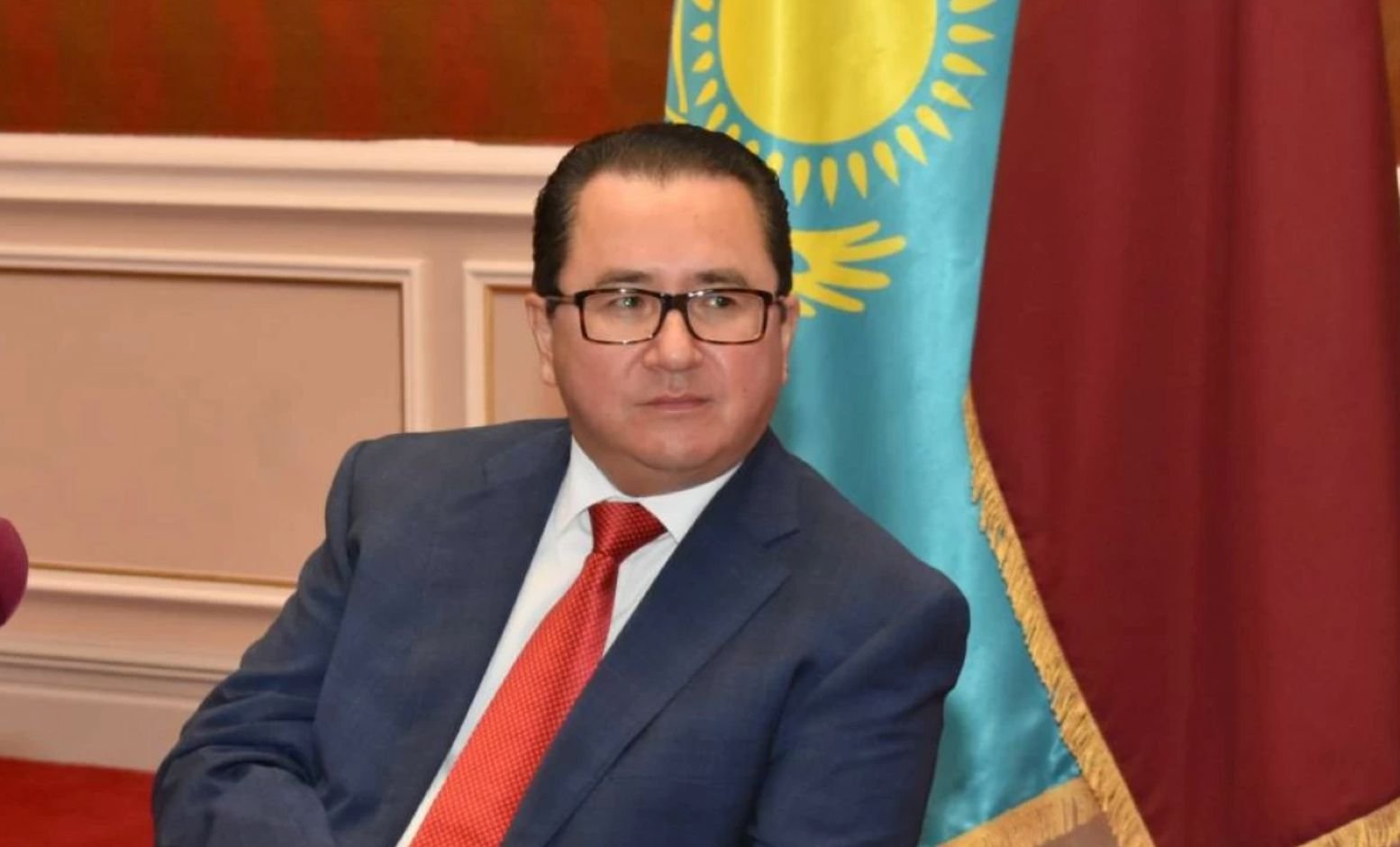
Kazakhstan’s Ambassador to Qatar, Arman Issagaliyev, noted that the two countries have built not only strong economic ties but also mutual trust at the highest levels. “Qataris see Kazakhstan as a close and friendly nation — one of their key partners in Central Asia,” he said. “Our peoples share a culture of hospitality and mutual respect. Qataris know Kazakhstan through sports, admire our athletes, and appreciate our country’s natural beauty.”
He explained that the rapid rise of Qatari investment reflects Kazakhstan’s domestic reforms and improved business climate: “While Qatari investment stood at about $9 million in 2023, it is expected to exceed $1 billion by mid-2025 — an almost 125-fold increase — thanks to President Tokayev’s reforms that prioritize stability, rule of law, and investor confidence.”
Since 2022, relations between the two countries have flourished, crowned by President Tokayev’s state visit to Doha in February. “In the past three years alone,” the ambassador added, “we have had six presidential and three prime ministerial visits.”
Qatar is actively involved in major infrastructure projects, including gas processing plants to supply power across Kazakhstan and construction of the second line of the Beineu–Bozoi–Shymkent gas pipeline, which will enhance supply reliability and export potential. Plans are also underway for the Semipalatinsk hydroelectric plant (300 MW) to advance renewable energy development. Qatar also aims to invest in IT and digital infrastructure, finance, healthcare, and advanced grain processing — creating new opportunities for young professionals.
Labor Market Cooperation
Labor mobility has become another key area of cooperation. A bilateral agreement now guarantees legal employment conditions and protection for Kazakh citizens working in Qatar — including housing, health insurance, annual leave, and flight tickets home.
Currently, about 1,800 Kazakh citizens live in Qatar, mostly employed in energy, aviation, and IT sectors, while over 50 Kazakh students pursue scholarships at leading Qatari universities. Tourism is also growing: around 40,000 Kazakhs visit Qatar annually, while the number of Qatari tourists visiting Kazakhstan has risen by 50%.


