

Scores of longstanding and beloved restaurants across the U.S have closed this year, and more may follow, as the skyrocketing cost of necessities takes a toll on the industry.
Over the past five years, food and labor costs for the average restaurant have each risen 35 percent, according to the National Restaurant Association. Meanwhile, the price tag on other essentials like rent, supplies, and credit card processing fees also continues to grow – meaning smaller profit margins for already-struggling restaurants.
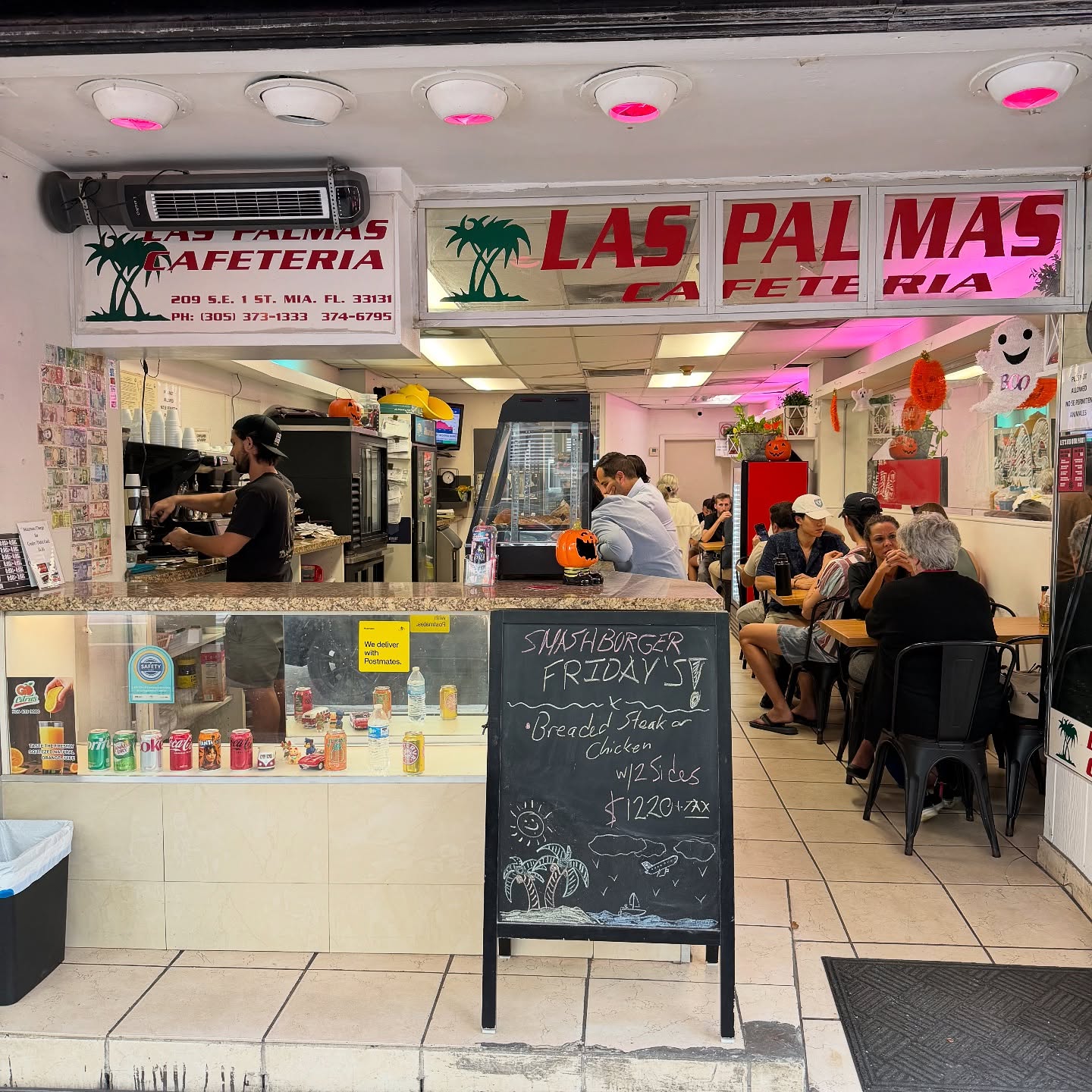
For Mario Magalhaes, whose family owned the popular Miami lunch spot, Las Palmas, the COVID-19 pandemic caused a 30 percent loss of clientele, many of whom never returned.
The loyal customers who would come in during the work week for lunch or a cup of coffee disappeared due to remote and hybrid schedules, Magalhaes said. However, the high cost of food was the final nail in the coffin, prompting the historic joint to close last month after 45 years.
“Las Palmas wasn’t pretentious. It was just kind of that taste of old Miami, and it differentiated itself from what’s popping up all over the country, which I would say is a little copy and paste, rinse and repeat,” Magalhaes, whose father bought the business from a family friend in 2016, told The Independent.

The restaurant ran “like a machine” until the COVID-19 pandemic, which saw prices rise exponentially – without ever returning to normal, according to Magalhaes.
“Maybe three months ago, I saw eggs spike. The box of 15 dozen eggs used to be $20. It spiked about three months ago to $132,” Magalhaes said.
“Corporations are not going to lower their prices if people are used to paying what they’re already paying,” Magalhaes said.
“Even my wholesalers were more expensive at times than Whole Foods, which seems crazy, but I was comparing prices at many places,” he added.
The growing costs of ingredients – and Magalhaes’ conviction to remain an unpretentious and affordable neighborhood watering hole – meant things quickly became too expensive to sustain.
“Las Palmas, being a small, 33-seat diner – casual, good food – I can’t have a 1,000 percent increase in prices, especially as a breakfast and lunch spot,” Magalhaes said.
While Magalhaes raised prices only a little over time to try and keep up, he also tried other avenues to sustain business, including by throwing community comedy nights with some of the top local comedians.
Despite Magalhaes’ best efforts, Las Palmas shut down for good on Friday, November 14.
“We know that food costs are up 38 percent since the pandemic. That’s the national average. Labor costs are up 35 percent, and we have also seen pretty significant increases in insurance, and taxes and everything else,” Dr. Chad Moutray, the chief economist at the National Restaurant Association, told The Independent.
The all-around high costs have eaten into the overall profits of a lot of full-service restaurants, leaving the median profit margin at 2.8 percent in 2024, according to Moutray.
“If you go back five years to 2019, that would have been four percent, so you’ve seen some profit squeeze there,” Moutray added.
Challenges have long plagued restaurateurs, Moutray said, noting that data suggests there are still more openings than closures overall.
“Restaurants and, in fact, all businesses have just had to deal with one challenge after another,” Moutray said. “In a market where it’s a tough business anyway, I think restaurant operators have found it to be quite challenging.
Las Palmas, the popular Miami lunch destination, is far from the only beloved restaurant struggling amidst the current economic climate. Owners of shuttered restaurants from all across the country are speaking out online about the many factors, including cost, that have led to their businesses closing for good.
Osteria 545, an Italian restaurant in Paulsboro, New Jersey, thanked customers for five years of business while announcing they closed their doors on November 17.
“Over the past year, we’ve witnessed a significant shift—fewer people dining out, while the costs of food, liquor, electricity, and other essentials have risen sharply. These increases have far outpaced what small, independent restaurants like ours can reasonably absorb, making this decision both heartbreaking and necessary. We’ve held on as long as we could, adjusting menus, tightening budgets, and doing everything possible to stay afloat. However, the margins continued to shrink, and the weight became unsustainable,” the restaurant’s owners wrote online.

The owners of City Cafe, a beloved 124-year-old restaurant in Murfreesboro, Tennessee, also revealed their plans to call it quits online.
“It breaks our hearts to have to make this post but, this economy has literally broke us,” Teresa and Rollin Kellog wrote online, according to the Tennessean. “We have tried so hard to stay ahead but when you have more going out than coming in it catches up to you.”
Rent hikes and greedy landlords have also been an issue for many restaurants trying to stay afloat.
For the Dallas, Texas, mainstay of 15 years, the Meddlesome Moth, a new landlord seeking a 40 percent rent hike is what led to their closing in May, owner and restaurateur Shannon Wynne told The Independent.
“They realized the market could stand about a 40 percent hike in our rent, and really disregarded the contributions we made to the neighborhood,” Wynne said. According to Wynee, numerous developers in Dallas’ Design District are currently pushing out more affordable and approachable spots, like the Meddlesome Moth, in favor of more “high-end” spots.
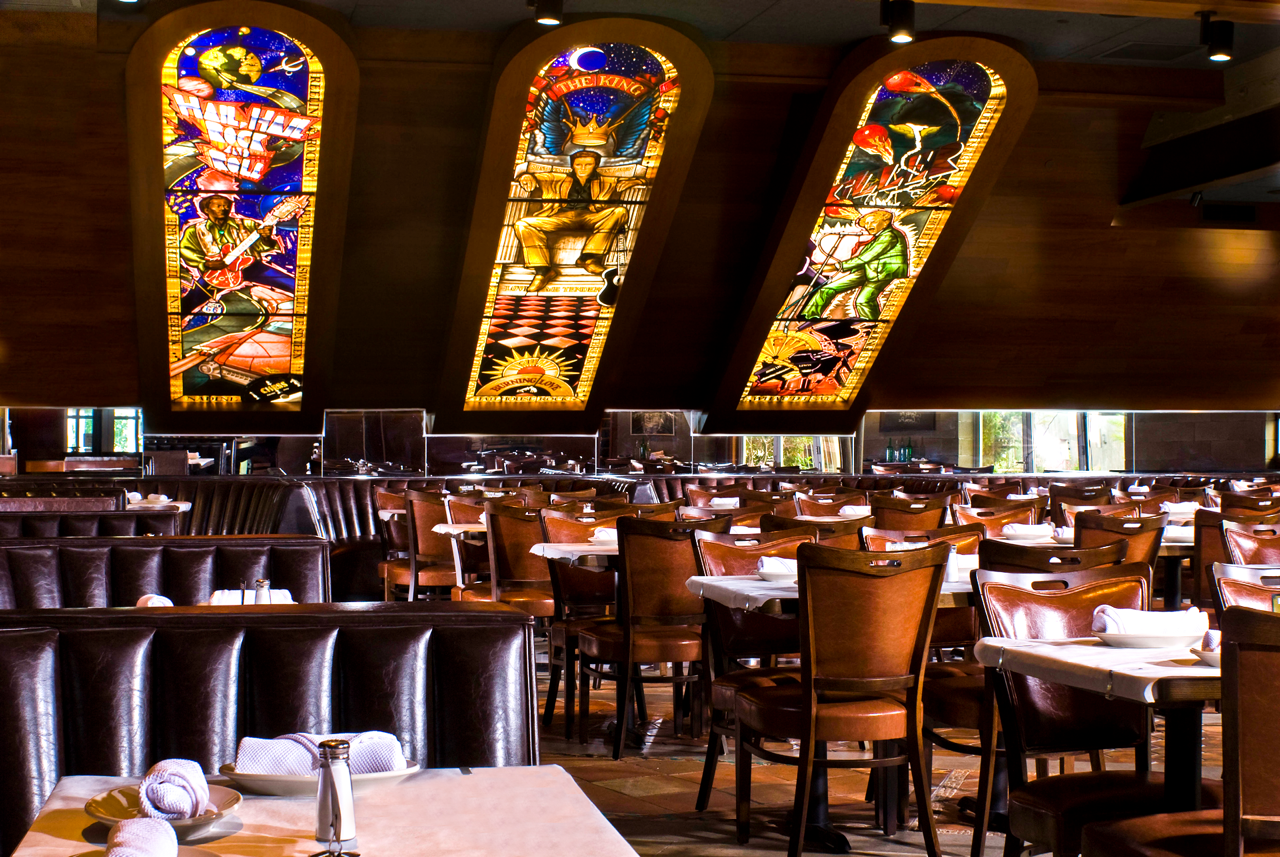
“We focused on value and flavor and creativity, but you know, the margins aren’t great,” Wynne said. “When the rent goes up as much as it did, we’re at that point losing money, and we’re not willing to change our concept because of the portfolio aggression of these landlords.”
Moutray, the chief economist with the National Restaurant Association, noted that while many restaurants are now starting to cater to a more high-spending crowd, most are still just looking to deliver a quality service.
“You certainly are seeing restaurants that are catering to more high-end consumers, and are continuing to do relatively well,” Moutray said. “People with money are still spending it.”
Even still, Moutray remained cautiously optimistic for what lies ahead for the restaurant industry.
“I do think that 2026 provides some cautious optimism, right? That we will see some tailwinds of growth; hopefully, we can turn around some of those traffic trends. You can see some of those cost pressures start to ease a bit,” Moutray said. “I think if those happen, hopefully we’ll have a better 2026.”


