

Obesity is driving one in six deaths from a wide range of infectious diseases, new research suggests.
Globally, obesity may have been a driving factor in 0.6 million out of 5.4 million deaths from infectious diseases in 2023, according to the new study, while in the UK, it accounted for 7,300 out of 42,000 deaths in that year.
It is thought that almost a third (28 per cent) of adults are obese in the UK, putting them at an increased risk of type 2 diabetes, cardiovascular disease and 13 types of cancer. But it also significantly raises the risk of being admitted to hospital or dying from infectious diseases, such as flu, pneumonia, gastroenteritis and urinary tract infections. Experts warned that people with obesity are 70 per cent more likely to be admitted to hospital or die from an infectious disease, and those with the most severe obesity have three times the risk – with the trend set to only get worse if obesity levels continue to rise.
Naveed Sattar, professor of cardiometabolic medicine at the University of Glasgow and co-author of the new study, explained that obesity may increase infection by changing how blood flows and how the lungs expand.
“It can affect how well the immune system works – for instance, by altering the gut microbiome, limiting how fully the lungs expand, and even changing how much virus a person is exposed to,” he told The Independent. “Obesity also stretches tissues in ways that reduce blood flow to the skin, making infections more likely, and skin folds can make some areas harder to keep clean.”
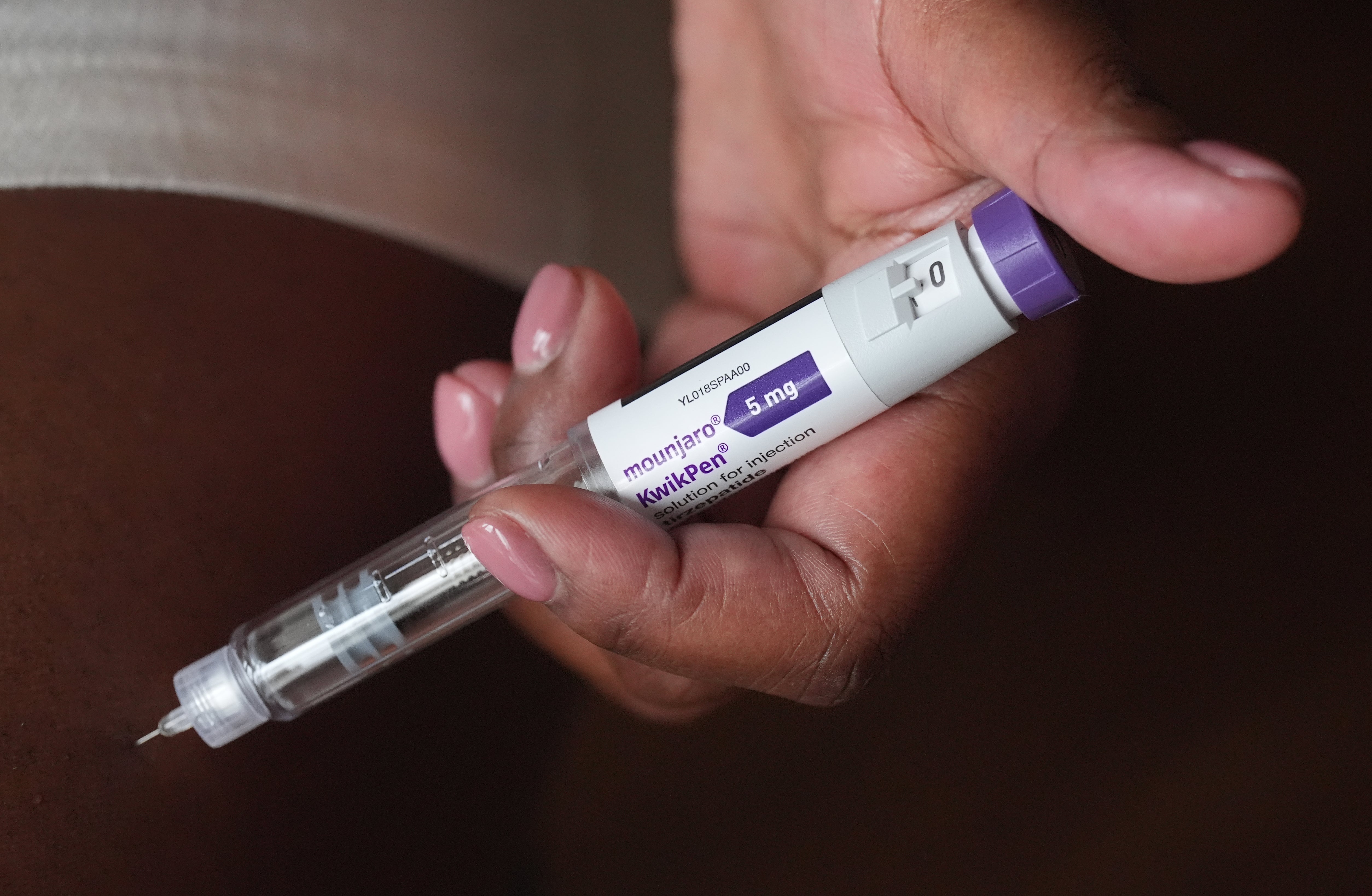
Experts suggest that weight loss drugs could help reduce the health risks of obesity.
For the study, published in the Lancet medical journal, researchers looked at data from more than 540,000 people from Finland and the UK, including over 470,000 adults from the UK Biobank dataset. Researchers noted participants’ BMI and followed up for an average of 13 to 14 years.
Using risk estimates from data on 925 bacterial, viral, parasitic, and fungal infectious diseases, researchers found that obesity was linked to one in 10 infection-related deaths across the world in 2023.
However, obesity did not appear to increase the risk of severe HIV or tuberculosis.
The link to severe infections was also not explained by obesity-related chronic conditions, such as type 2 diabetes, and was seen in both patients with and without chronic conditions.
Professor Mika Kivimaki, from University College London, who led the study, said: “Our findings suggest that obesity weakens the body’s defences against infections, resulting in more serious diseases. People may not get infected more easily, but recovery from infection is clearly harder.”
Study authors concluded there is an urgent need for policies that help people stay healthy and support weight loss.
Experts suggest weight loss drugs, taken by an estimated 1.6million people in the UK, could help reduce the health risks of obesity.
Prof Sattar explained that separate large-scale trials also show that weight loss medications meaningfully reduce deaths from infections in comparison with placebo.
Weight loss jabs can also have a “positive effects on patients’ blood sugar levels, cholesterol and cardiorespiratory health” as well as weight loss, Dr Earim Chaudry, NHS GP and chief medical officer at Voy, an online obesity clinic, told The Independent.
“The research published today is further evidence for the life expectancy and quality of life benefits of better weight-management services and the broader positive health impacts that could be achieved by rolling out these medications further,” he added.


