
Postcode lottery in ADHD diagnoses means middle classes drive a surge in prescriptions

The NHS becoming “heavily dependent” on private clinics to diagnose ADHD has resulted in middle-class patients accessing prescriptions more easily, analysis has found.
Experts have said that “sharp-elbowed” patients are able to get a diagnosis at a private clinic rather than remain on long NHS waiting lists, with a fivefold increase over the past decade in the number of people from wealthier backgrounds who have been prescribed medication.
Analysis of NHS data by The Times revealed that people in north-west London are about three times as likely to be prescribed stimulants as those in Yorkshire, showing a postcode lottery in terms of diagnoses.
Dr Mukesh Kripalani, lead adult consultant psychiatrist at the ADHD Centre, told the newspaper: “Wealthier people are able to get help, whereas for working-class people it is harder. There is a massive postcode lottery, and a big funding discrepancy between different areas of the country.”
A recent study found there has been a “substantial increase” in the proportion of people using medicines for ADHD in the UK, driven by a rise in prescription rates among adults, in particular women.
Prevalence of ADHD medications rose three-fold in the UK between 2010 and 2023 – from 0.12 per cent to 0.39 per cent.
Experts, led by academics from the University of Oxford, said this represents “a more than 20-fold increase in females and 15-fold in males” in adults aged 25 and over.
Thea Stein, chief executive the Nuffield Trust think tank, told The Times: “As waiting lists have grown, more people are looking to the private sector for their diagnosis. If you go privately, and then take your private diagnosis into the NHS, you’re catapulting yourself up the waiting list.
“People are also using the Right to Choose to get their diagnosis. We know from many, many other areas of healthcare policy, that if you are a bit more sharp-elbowed you can use that better.”
An estimated 700,000 people in England are currently waiting for an ADHD assessment, with warnings that waiting lists can reach up to 10 years.
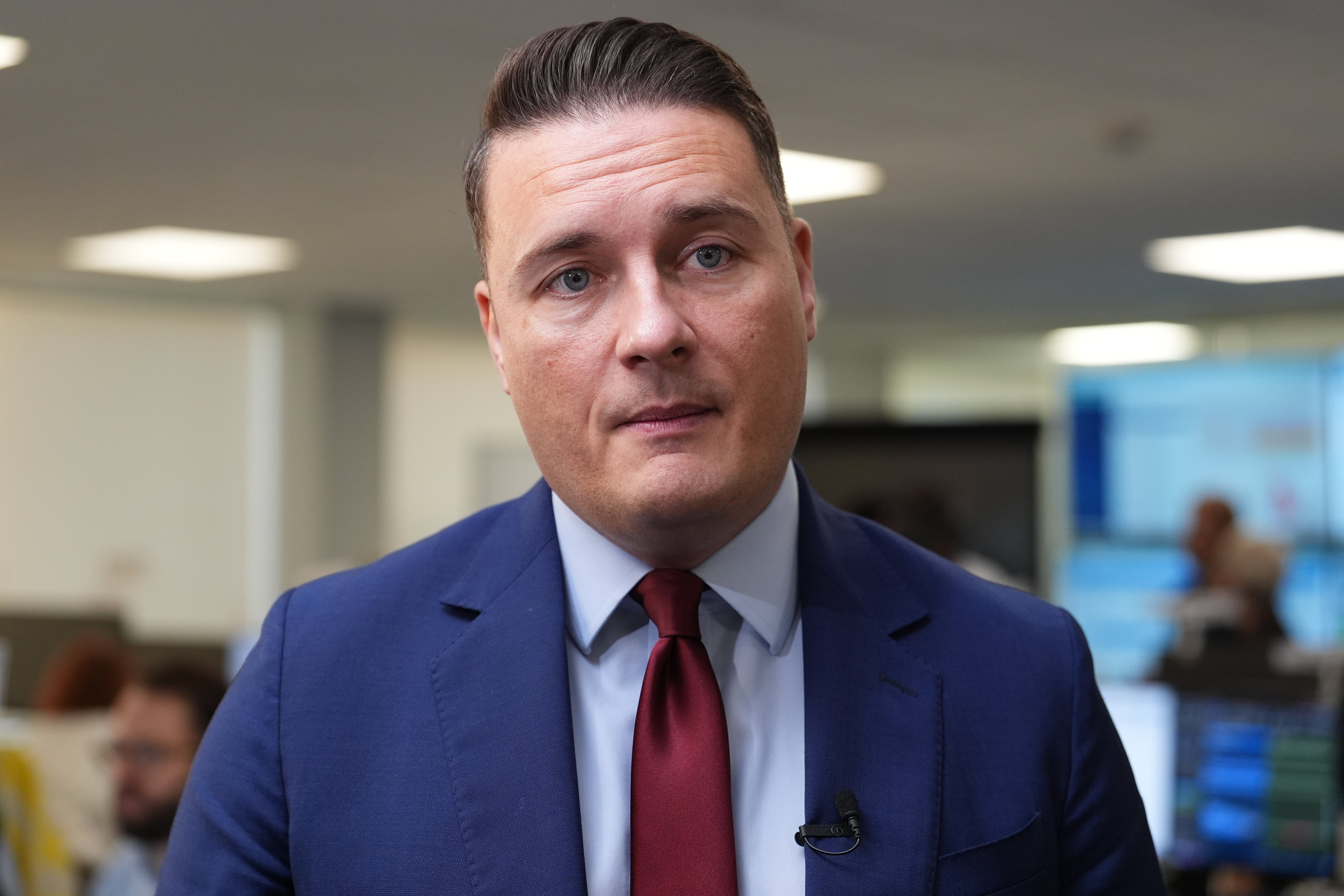
Wes Streeting has acknowledged the government is failing to cope with the number of referrals for autism and attention-deficit hyperactivity disorder (ADHD).
Asked on BBC Radio Oxford whether referrals for autism and ADHD was an epidemic the government is failing to cope with, the health secretary said: “Well, in a nutshell, yes.
“We’ve got two challenges here.
“One is to understand the prevalence of ADHD, autism, and then also separately but related in terms of prevalence, mental health.
“We’re trying as a Government to understand what’s driving this increase.
“Is it simply awareness – and a positive awareness – that means that people who would have just gone unsupported and undiagnosed are now realising that they may well have ADHD?
“And then secondly, meeting the demand because we’re really falling short on this in the NHS.
“We are looking at this nationally… It’s clearly not a happy situation for people, and it’s one that I’m very worried about.”
ADHD is a disorder that affects people’s behaviour, with sufferers often experiencing restlessness, difficulties concentrating, and increased impulsivity.
While most cases of the condition are diagnosed in children under the age of 12, some are later in life. Symptoms in children and teenagers can include having a short attention span, appearing to be unable to listen, constantly fidgeting, excessive talking and little or no sense of danger.
The NHS adds that symptoms of ADHD in adults can be more difficult to define. However, they tend to include problems with organisation, time management, focusing, coping with stress, restlessness, and impulsiveness.


