

The mistake may be to see it through the lens of the continental superpowers. The Champions League’s knockout phase play-offs could perhaps do with a punchier name than Uefa’s unwieldy tag. For those who assume their destination is much deeper into the tournament, it can seem a punishment, an unwanted extra couple of fixtures jammed into February.
Yet for many of its participants, it is an opportunity. Under the previous format, some were unaccustomed to Champions League football after Christmas. Those seeded third or fourth faced an uphill task to qualify from their pool. The fact that there were only 16 slots available in the knockout round, and the reality that most went to clubs from the same four domestic leagues, restricted the chances for everyone else.
While five English clubs secured the top-eight finishes to skip the recent addition to the Champions League schedule, now it is not about them anyway. It is about Qarabag and Bodo/Glimt, who have overachieved to get this far, and Benfica who progressed in remarkable fashion. Uefa can note that the 16 teams in action come from 11 different countries, that they have expanded the map; their critics might argue that those at home next week, and likelier to progress, are all from Spain, Italy, France, England or Germany.
The competition may have more predictability than last year, when the first 36-team table produced some incongruous sights – Lille above Real Madrid, Atalanta above Bayern Munich, PSV above PSG, Brest above Manchester City – but not as much as feared. The knockout phase play-offs in their sophomore season features both of last season’s finalists, Paris Saint-Germain and Inter Milan, plus the competition’s most successful club ever, in Real Madrid.
Of the 16 clubs playing now, a dozen should see it as a reward. A quartet could have regrets they are not skipping this round: Real, who only needed a draw against Benfica to get a top-eight finish; Atletico Madrid, who lost at home to Bodo/Glimt last month; PSG, who only took two points from their last three matches, against Athletic Bilbao, Sporting CP and Newcastle; and Inter, who won their first four games but lost the next three. For each, it could, and probably should, have been different.
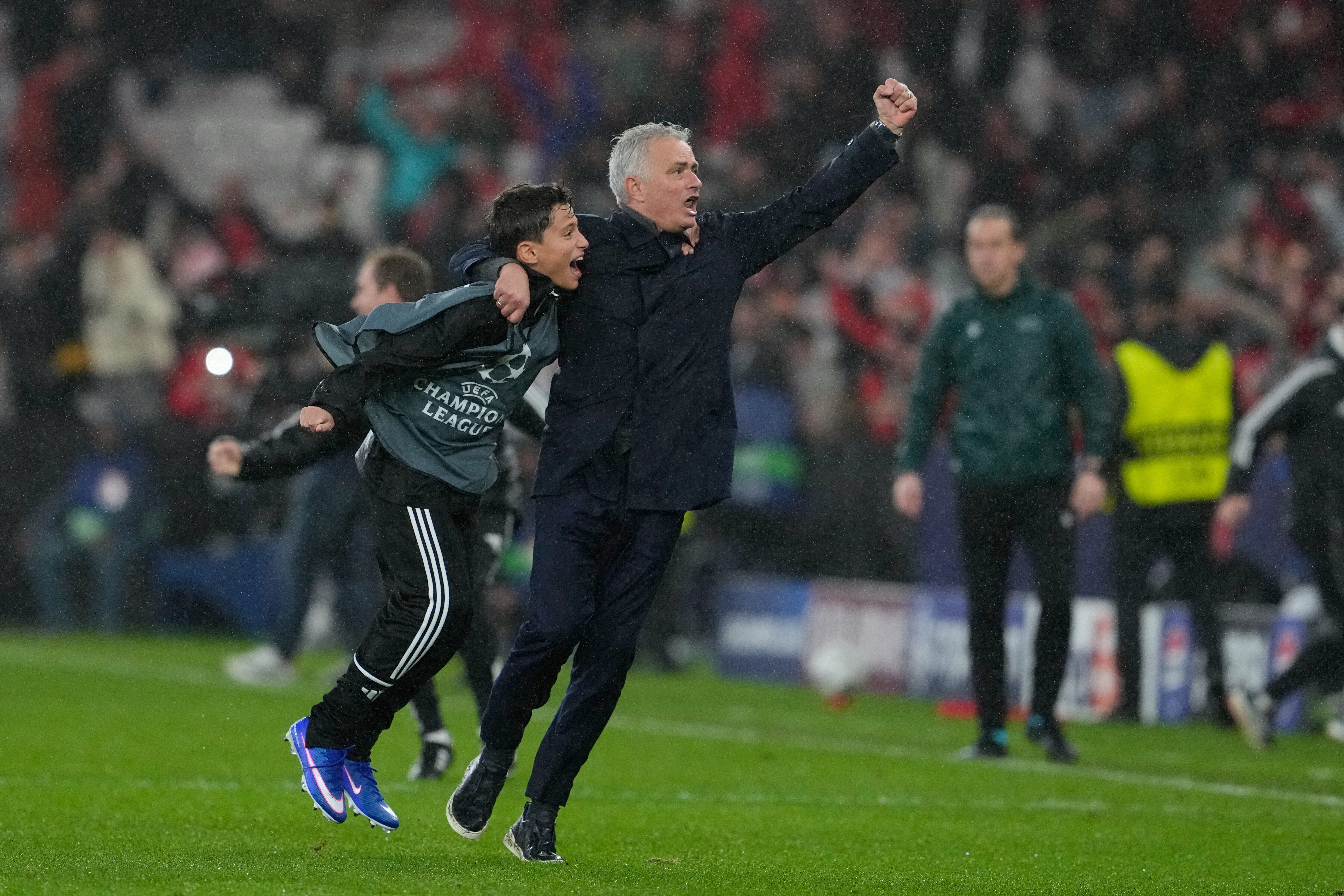
For most of those placed between ninth and 24th, the table either had a realism about their place in the pecking order or showed a capacity to surprise supposed superiors. Benfica did it most dramatically three weeks ago: the goalscoring goalkeeper Anatoliy Trubin’s 98th-minute header took them through at Marseille’s expense and earns them an immediate reunion with Real. For Jose Mourinho, it is a rematch with Alvaro Arbeloa, once his right-back, now a rookie manager; the master outwitting the apprentice or the Portuguese’s farewell to the Champions League?
It is arguably the most eye-catching tie of the round; there may be nothing as obviously seismic as Real and City, the previous two winners, clashing at this stage last year, but that is in part because none of the biggest of guns finished between 17th and 24th.
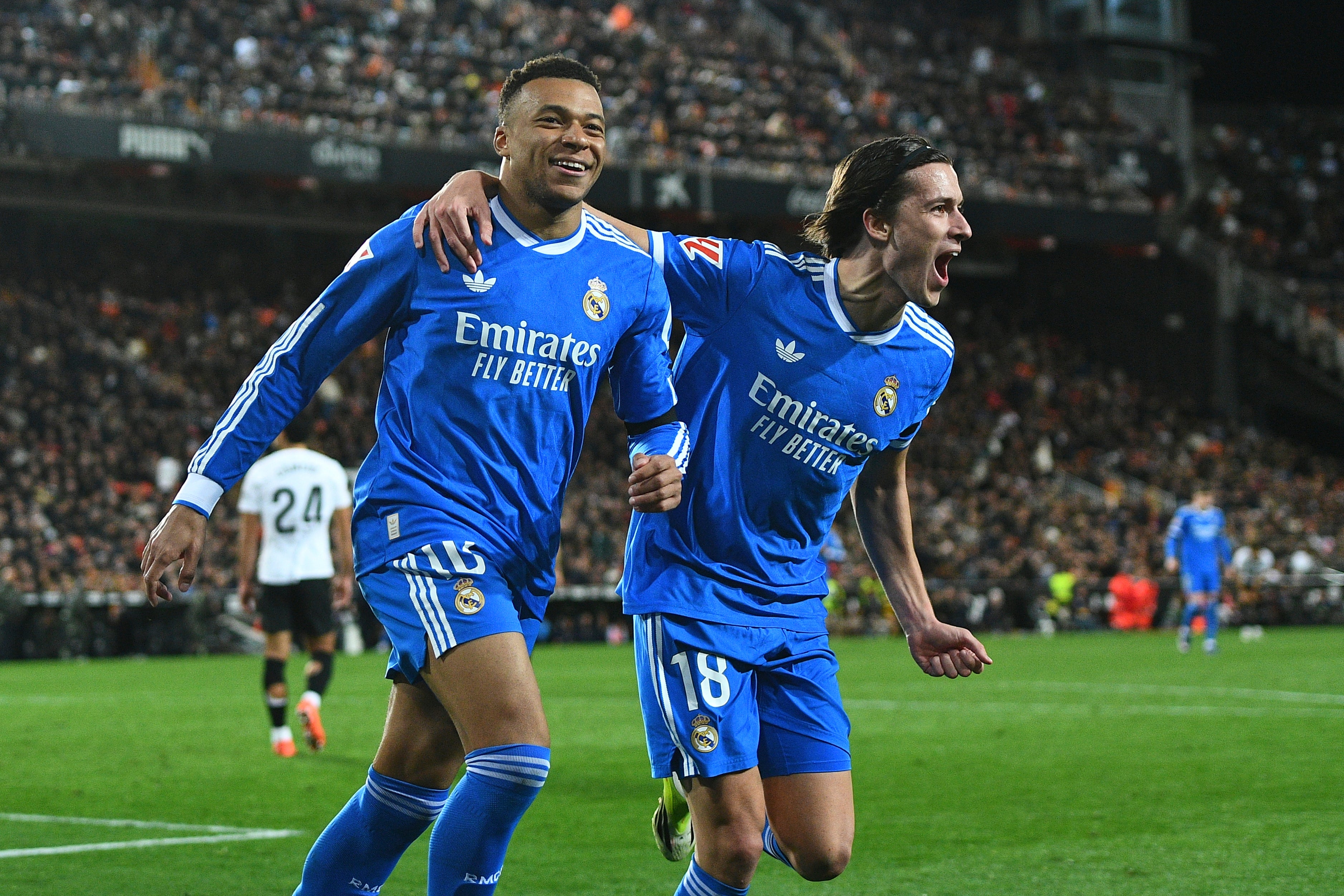
But Inter are off to the Arctic Circle to face Bodo, fresh from their double of beating City and Atletico. A first leg in Istanbul comes laced with peril for Juventus as they meet Galatasaray. Eddie Howe admitted Newcastle did not want the lengthy trek to Azerbaijan after they drew Qarabag. On geographical grounds, he would have preferred Monaco. They instead are paired with PSG, who got a 10-0 aggregate thrashing of Ligue 1 rivals last year when they demolished Brest.
The tie that looks most even, and where there is the greatest reason to pronounce the side who finished lower in the standings and who are away in the second leg the favourites, is between the 2024 finalists Borussia Dortmund and Atalanta. They were 17th and 15th in the standings, separated by only two points. Dortmund scored nine more goals and had arguably the harder fixture list.
Atalanta can also testify to the drama of the new phase. A reason why Uefa are entitled to view the inaugural knockout play-off phase as a considerable success came in the games last year. Bayern required a 94th-minute goal by Alphonso Davies to deny Celtic extra time at the Allianz Arena and perhaps avert a major shock.
There were arguably still three upsets – even if one resulted in the team that came lower in the league stage losing – and all at the expense of Italian clubs. Juventus were knocked out 4-3 by PSV Eindhoven. AC Milan went out 2-1 to Feyenoord. Atalanta’s elimination was most emphatic, 5-2 on aggregate to Club Brugge, and, in terms of the table, the greatest surprise: ninth lost to 24th.
Brugge had only just made it into the play-offs; the celebrations of their supporters in a corner of the Etihad Stadium after their last league match against City showed what a feat that felt to the Belgian club. Perhaps this round was devised with their ilk in mind. Last year, the knockout play-offs still produced the eventual Champions League winners, in PSG. Like Real and Inter, they may imagine a repeat. These two weeks are a final of sorts for Brugge, Benfica, Bodo and Qarabag, yet maybe not the end of their journey around Europe.


