
Weight-loss jabs alone are ‘the wrong answer’ to obesity crisis, Chris Whitty says

Weight-loss jabs alone are not enough to solve the UK’s worsening obesity crisis, the government’s chief medical adviser has said.
Professor Chris Whitty critiqued reliance on GLP-1 drugs and instead suggested curbing junk food advertising and making food healthier.
England’s chief medical officer told a Medical Journalists’ Association lecture on Thursday evening that “just relying on the drugs seems to me the wrong answer” to tackling obesity.
This contrasts with comments from health secretary Wes Streeting last week, who praised weight-loss drugs as a “real game changer” for those who need them.
An estimated 1.6 million adults in England, Wales and Scotland have used drugs such as Mounjaro and Wegovy to help lose weight between early 2024 and early 2025, according to a study by UCL.
Mr Whitty said: “Does anyone here believe that the correct answer is to allow obesity to rise because of pretty aggressive marketing of obesogenic foods to children and then stick them on GLP-1 agonists at the age of 18? I think it is shocking if that is where we end up.”
Mr Whitty acknowledged GLP-1s “transformational” for people who need them, but highlighted that if you stop taking them, the weight comes back on again. He also cited that a small number of people have had very bad reactions to them and a large number of people have unpleasant side effects.
Weight-loss jabs can lead to digestive problems, diarrhoea, constipation and stomach pain for one in 10 people, according to the British Heart Foundation. The jabs are also linked to a higher risk of developing an inflamed pancreas (acute pancreatitis), which impacts one in 100 people who take the drug.
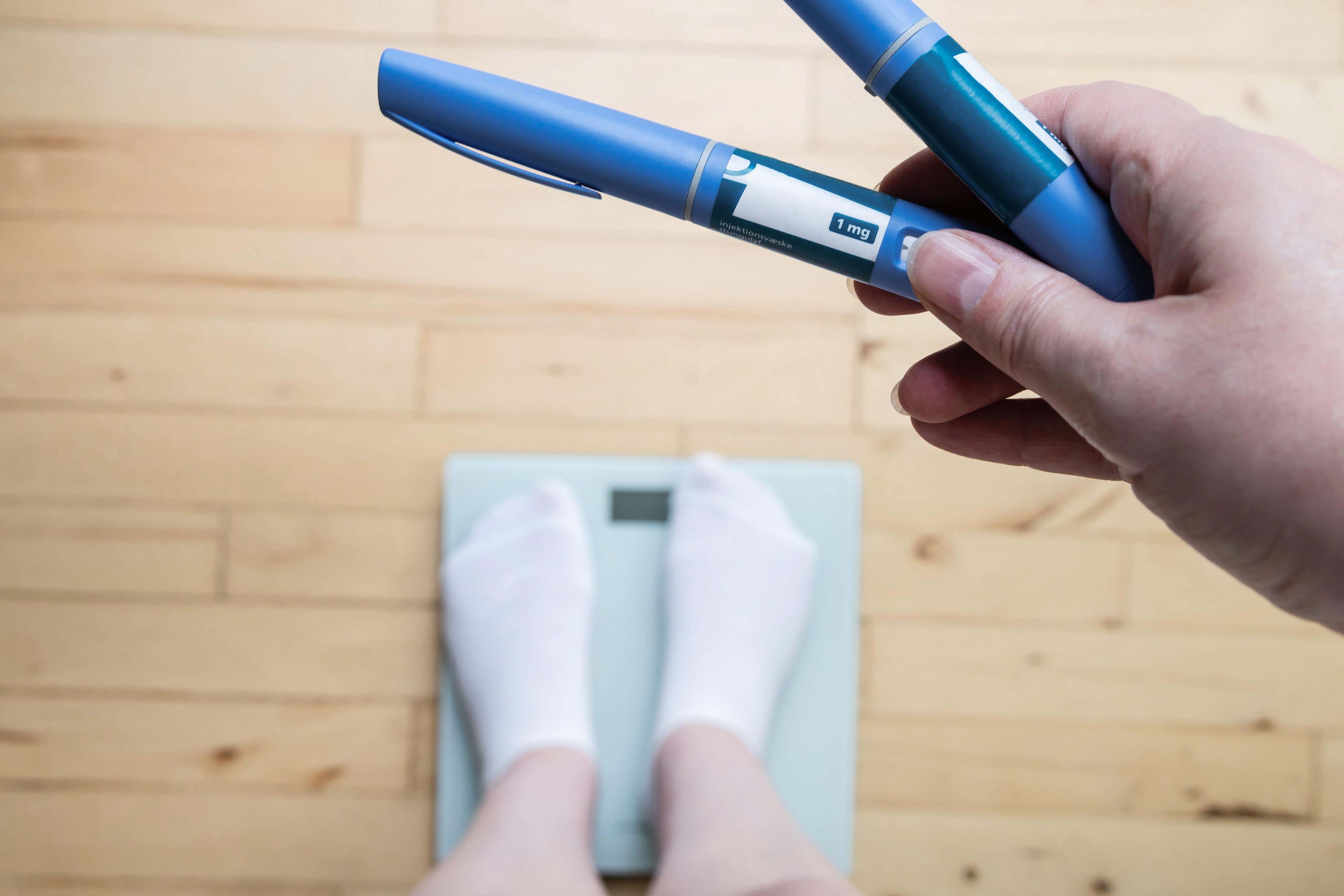
As weight regain is common once coming off the drugs, Mr Whitty explained this could also lead to some people in older age having less muscle mass and more fat than before they started taking the drugs.
He concluded: “If it’s a high proportion of the population, particularly in areas of deprivation rather than areas of affluence, I think that is a societal failure. Just relying on the drugs seems to me the wrong answer.”
The UK has one of the worst obesity rates in Europe, a global report by the World Obesity Federation has found, as it predicts 220 million children globally will be obese by 2040 if no drastic action is taken.
Mr Whitty highlighted his concerns and described obesity as a major health challenge going in the wrong direction. He pointed to the widening gap in childhood obesity rates between deprived and affluent areas, noting that in the most deprived communities, around 30 per cent of 10-year-olds are already overweight or obese. “That is setting them up to fail over a lifetime,” he said.
He added France is a country which has successfully held obesity rates mostly stable since 1990, and argued the difference lies in the food environment and the way types of food are marketed to children.
Instead of relying on weight-loss jabs, the chief medical adviser encouraged food firms to put less sugar and fat in their products.
He also accused food industries of using “very strong lobbyists” to persuade the media to deter ministers from taking bold action and painting any beneficial policies as “nanny state” even if voters want action taken.


