

A good day to bury bad news became a very good day to bury bad news. Chelsea FC announced Raheem Sterling’s departure two-and-a-half hours before kick-off on Wednesday. Later that night, they had beaten a man consigned to their past rather earlier, and after a rather more successful time at Stamford Bridge, in Antonio Conte.
Overcoming Napoli in Italy was the best result of Liam Rosenior’s brief tenure, and one of the finest since Sterling last kicked a ball for the Blues. It left Chelsea sixth in the Champions League standings: impressive, even for a club who have spent some £1.6bn in under four years.
Some £47.5m of it went on Sterling. His overall cost, including wages – only slightly reduced by Arsenal paying a minority of them when he was loaned there last season – plus signing-on and agents’ fees and a presumably sizeable pay-off to rip up his contract, must have come to over £100m; an expensive embarrassment for Chelsea’s money men.
For their £100m, Chelsea got 19 goals in 81 games, finishes of 12th and sixth in the seasons Sterling played for them. There have been some supposedly statement signings at Stamford Bridge over the years who have failed to live up the billing – think Andriy Shevchenko, Fernando Torres or Romelu Lukaku – and, pound for pound, Sterling ranks among the worst.

His exit was news in the sense that something changed, but it was increasingly inevitable otherwise. He was not a Chelsea player in other respects: not in their Premier League or Champions League squads, just as he was not taken to the Club World Cup. It represented quite a fall from grace for a former Footballer of the Year, a four-time Premier League champion, a man voted into the team of the tournament for Euro 2020.
Sterling goes having, indirectly, had a huge impact on Chelsea’s much-mocked transfer policy. He was bought in the first summer after Clearlake Capital and Todd Boehly’s takeover, a big name on big wages.
A shift to buying young soon followed, the supposed logic that their cheaper pay packets and endless contracts meant Chelsea were always on to a winner. A glance at Mykhailo Mudryk’s transfer fee and subsequent fortunes would indicate that is not always the case, but Chelsea have tried to avoid Sterling-esque salaries since.
Yet he was the sign of things to come in other respects. Chelsea have developed an incurable addiction to signing wingers. Since buying Sterling, they have acquired 11 (one of whom, Joao Felix, actually joined them twice) and have already arranged for another, Geovany Quenda, to arrive in the summer.
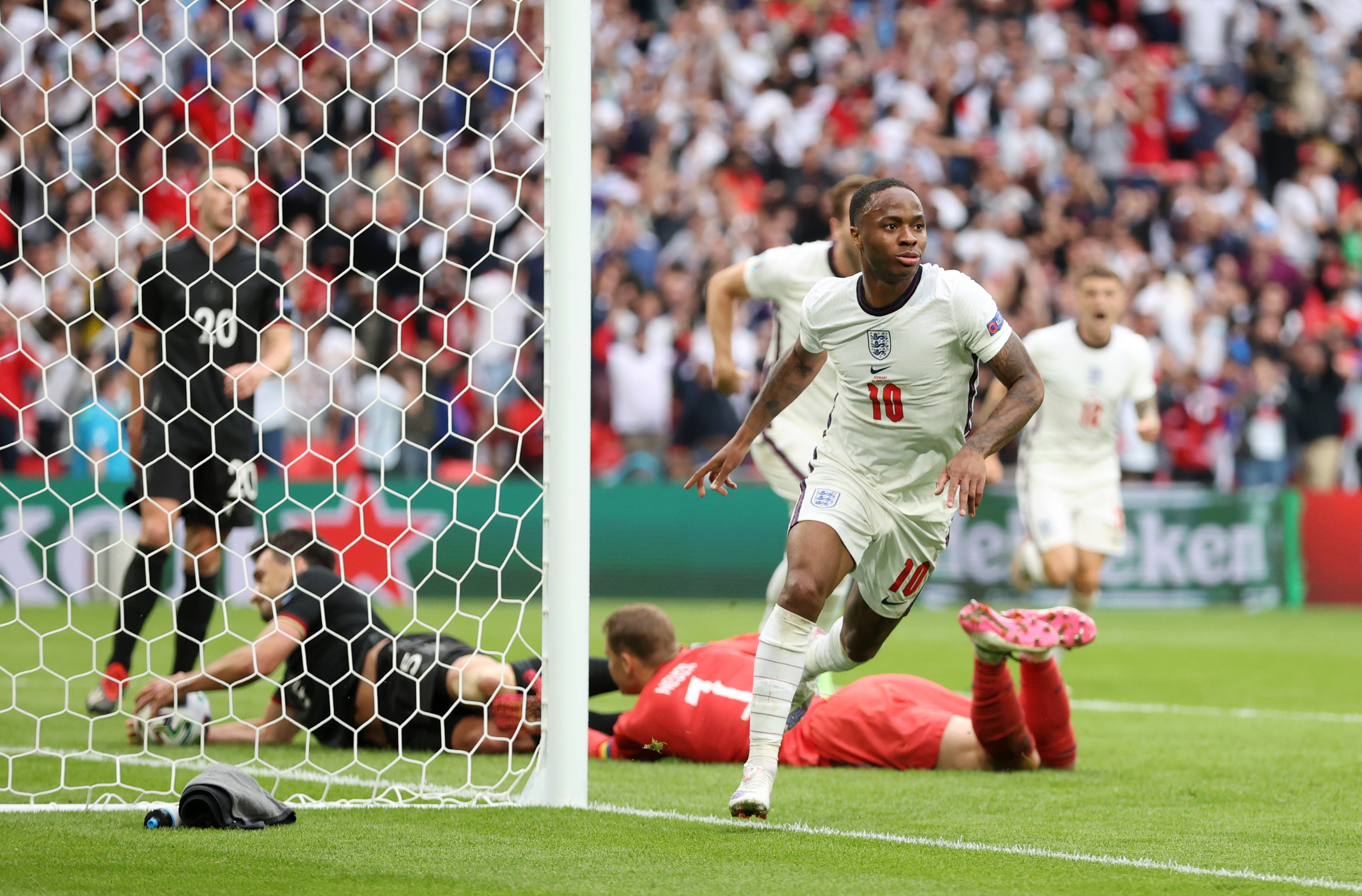
One of the curiosities of Sterling’s Chelsea career, meanwhile, was that Graham Potter played him at wing-back on occasions, while invariably insisting he did not. It was one way in which he was ill-fated. There were others: he was bought by Thomas Tuchel and scored three goals in six games for the German. But then he was sacked.
Potter and his ponderous football felt a particularly bad fit for Sterling; he only scored one league goal for the Englishman. His potency at Manchester City came in a more creative, more settled side, often with a type of goal, a cutback, a far-post run, at a club with continuity. Chelsea had none of that.

Sterling played under four managers in his first season. He showed occasional glimpses of his old self under a fifth, Mauricio Pochettino, scoring home and away against City in 2023-24. He was part of the bomb squad under a sixth, Enzo Maresca, ineligible to feature for the seventh and eighth, the caretaker Calum McFarlane and Rosenior.
Chelsea’s eager traders struggled to offload him, apart from the subsidised loan to Arsenal. Mikel Arteta had helped render him potent at City, but not last season: a lone goal in 28 games came against League One Bolton. Sterling leaves Chelsea having not played for them for 20 months.

And when he is still only 31. It amounts to a sad decline. Chelsea are culpable in part, Sterling a victim of their chaos. Yet Sterling is hardly the only example of a prodigy who peaked relatively early and then went downhill; that rendered a five-year contract on such wages unwise.
He has not played a game this season but, by the end of the 2023-24 season, when he was 29, he had clocked up 631 appearances for club and country. That can take a toll on a player whose strengths included his dynamism, his ability to dart past defenders.
Perhaps City saw that coming; his best seasons at the Etihad Stadium came between 2017 and 2020. But maybe it was the shift to a different style of winger in the recalibration when Erling Haaland arrived that accounted for his departure.

But it is to be hoped Sterling can revive his career elsewhere; a club where he can play, where his predatory skills are of use. Chelsea turned Sterling into the best-paid footballer who was ineligible to play football this season. They probably deem him a waste of money, but it was also a waste of his talent.


