
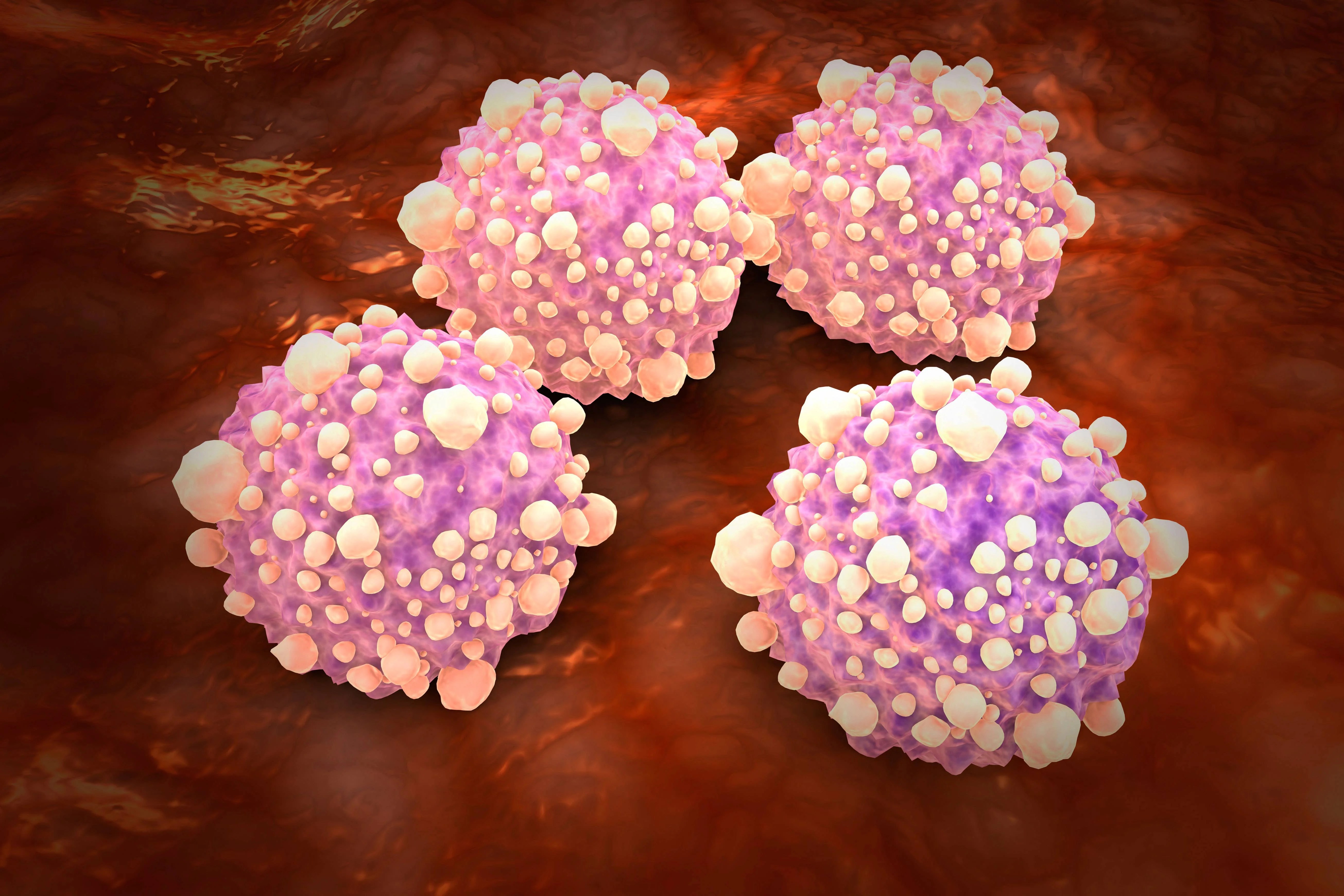
A new blood test could improve survival rates for pancreatic cancer – a disease which often tends to be diagnosed at later stages when treatment is less likely to be effective.
Pancreatic cancer is the fifth most common cause of cancer deaths in the UK, according to the NHS, with 10,500 people being diagnosed each year and only 7 per cent living five years or more after diagnosis.
Spotting the cancer in its early stages is key to survival, as more than half of people die within three months of diagnosis. But at the moment, there are no current successful screening methods to do so.
There were previously two biomarkers, a characteristic used to identify diseases, explored to detect pancreatic cancer: carbohydrate antigen 19-9 (CA19-9) and thrombospondin 2 (THBS2), but neither worked well as a screening tool.
Scientists from the University of Pennsylvania analysed blood samples and found two more biomarkers present in the blood of early-stage pancreatic cancer patients: the aminopeptidase N (ANPEP) and polymeric immunoglobulin receptor (PIGR).
By combining all four biomarkers, the researchers were able to successfully distinguish pancreatic cancer patients from non-cancer cases 91.9 per cent of the time. Similarly, early-stage cancer was identified in 87.5 per cent of cases, as published in Clinical Cancer Research.
The study’s lead investigator, Kenneth Zaret, said: “By adding ANPEP and PIGR to the existing markers, we’ve significantly improved our ability to detect this cancer when it’s most treatable.”
The four-marker test successfully distinguished cancer patients from both healthy individuals and those with non-cancerous pancreatic conditions, such as pancreatitis.
“Our retrospective study findings warrant further testing in larger populations, particularly in people before they show symptoms,” he added. “Such ‘prediagnostic’ studies would help determine if the test could be used as a screening tool for people at high risk of developing the disease based on family history, genetic screening results or personal history of pancreatic cysts or pancreatitis.”

Professor Tatjana Crnogorac-Jurcevic, a pancreatic cancer expert from Queen Mary’s University of London, commented on the possibility of seeing this blood test implemented any time soon in the UK.
She said the study was “well-executed” and is “one of many efforts to develop a much-needed test for the early detection of pancreatic cancer”.
“The four-marker panel performs well in stages one and two —when surgical intervention is still possible,” she added.
“However, the blood samples utilised in the study were collected retrospectively, meaning the cancer diagnosis was already known. As the authors note, these biomarkers now require further extensive validation: they must first be tested in a pre-diagnostic setting to determine if they can detect cancer before clinical presentation, followed by a large prospective clinical study.
“Therefore, there is still a long road ahead before this test can potentially be used for the surveillance of individuals at an increased risk of developing pancreatic cancer.”


