
‘My husband spent two days on a trolley in overrun A&E – weeks later he died from deadly brain infection’

When Tom Frith walked into an “overrun” A&E department, he was suffering from flu-like symptoms and confusion, was unsteady on his feet and was struggling with his speech.
His wife Julia said he was rushed through triage, but the only bed available was in a corridor – where he stayed, with his condition worsening, for almost two days.
His family was told he couldn’t have a vital MRI scan because it was the weekend. A week later, he was finally diagnosed with the deadly brain infection encephalitis; however, by then, the damage had been done. He died, aged 66, on 27 July 2025, having suffered brain damage from swelling and a stroke caused by the condition.
His story comes amid repeated concerns from leading doctors over the crisis facing A&Es as under-pressure emergency departments run out of beds to treat patients.
The most recent NHS data for England, published in February, showed 192,168 people (13 per cent) waited 12 hours to be seen, treated or discharged, from the time they arrive at A&E, in January – a record high since this data was first published in February 2023.
A year before he died, Mr Frith had retired, but lived an active life, spending his days on motorbiking holidays with his wife and tending his vegetable patch.
All that changed on Saturday, 14 June, when he was so unwell he went to Leighton Hospital A&E, run by Mid Cheshire Hospitals NHS Foundation Trust, in search of help.
Mrs Frith, from Knutsford, told The Independent her husband had “every symptom of encephalitis” – which affects around 6,000 people in the UK each year, and includes flu-like symptoms, loss of consciousness, headaches, memory problems, and behavioural changes.
“He was delirious, he had flu-like symptoms, He had a massive temperature. He was confused; he didn’t know who he was. He couldn’t swallow the [paracetamol] tablets.”
Ms Frith said the emergency department was “overrun” when they visited, and claimed she was told by staff that they were expecting 40 people in A&E that day, but had 120.
She said: “There wasn’t a section of that [A&E] that didn’t have a patient in it. There wasn’t a section of those majors or triage that didn’t have a body in it, either on a chair, a bed, or on the floor. The poor staff, they were, overrun.”
She said her husband was placed in a corridor, where she watched him “deteriorate and getting worse”. He was eventually seen by a doctor eight hours later but was not given a hospital bed until Monday morning.
“There was an 86-year-old who had been there for 33 hours. It was just appalling. I was searching private hospital to see if I could get him taken out.
Ms Frith recalled: “I left the hospital for an hour on the Sunday afternoon… and when I came back my husband was stood by his bed, he’d ripped off his identity band and he was wearing his jeans and he had wet himself and I turned a nurse who was passing and I said, “what is this? This is not care”.
“I cleaned him up, got him sorted, and got him another wristband. Took him back to his bed in the corridor, and there was someone in his bed; they’d put someone in his bed. He was there for another 18 hours.”
Despite suspecting he had suffered a stroke, Ms Frith was told her husband could not have an MRI to determine if that was the case because it was the weekend, and there were no beds at a nearby hospital, which has a specialist neurology service.

Tragically, Mr Frith’s condition worsened, and he was eventually admitted to critical care and put into an induced coma and on a ventilator. It was not until the Friday after he was first admitted to A&E that the hospital started vital medication to treat encephalitis.
“They confirmed on Saturday that it was encephalitis, but the damage was done. He was having outward seizures for two weeks,” Ms Frith said.
After several weeks of treatment, Mr Frith said she was advised that his condition was highly unlikely to improve. He was put on palliative care and died a few days later on 27 July 2025. Ms Frith is now seeking legal action against the trust.
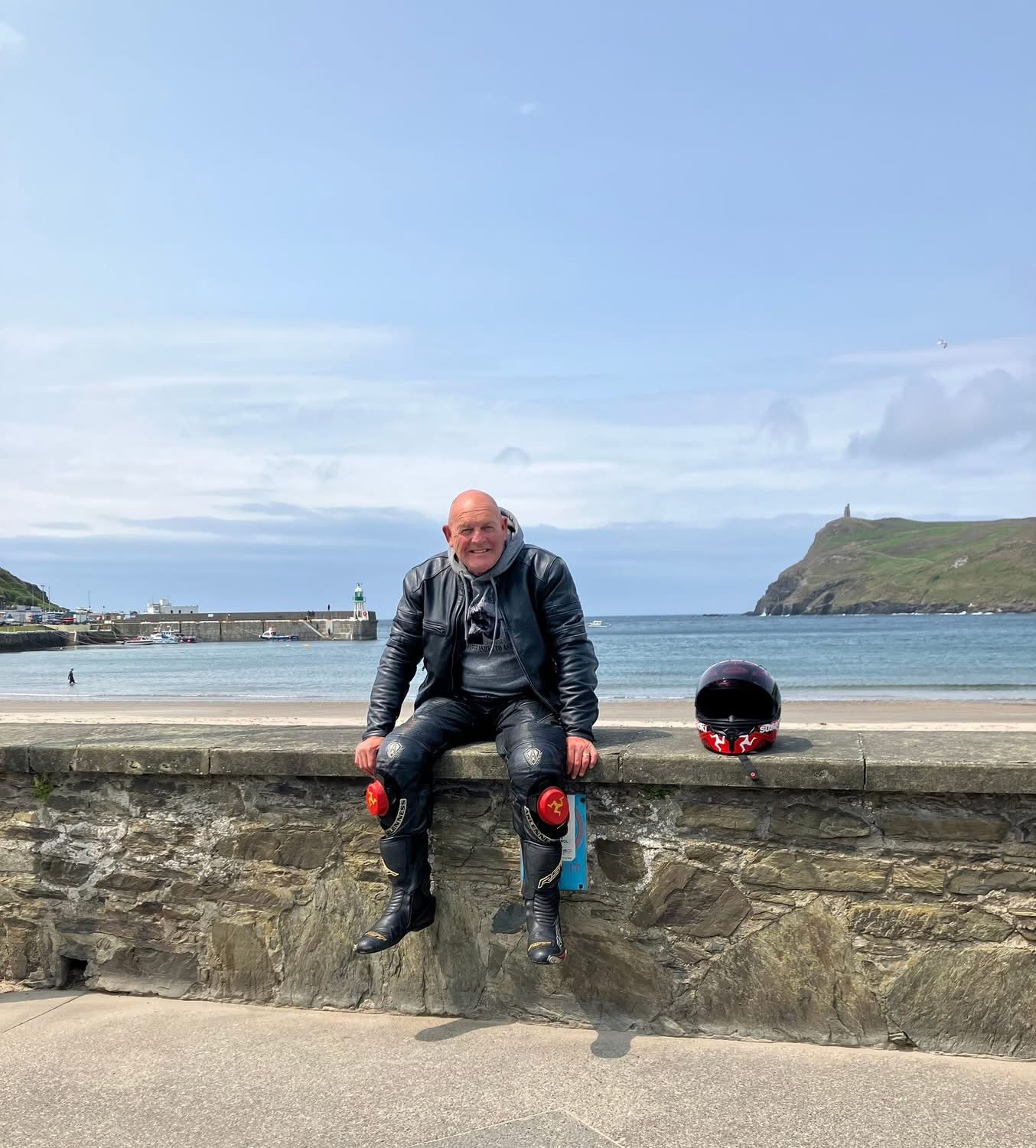
Leigh Day solicitor Zoe Donohue, who represents Mrs Frith, said: “The ordeal that Tom went through in the lead up to his death was a terrible one. In instructing me, Julia is hoping to determine whether more could have been done to help Tom, and if a quicker diagnosis could have given him a stronger chance of survival.
“Julia is also hoping to raise awareness of encephalitis, ensuring that more is widely known about the symptoms and how to detect the condition early on, to help others avoid the awful set of circumstances she has experienced.”
Dr Clare Hammell, chief medical officer and deputy chief executive for Mid Cheshire Hospitals NHS Foundation Trust, said: “Our thoughts are with Mr Frith’s family and loved ones, and we are very sorry for the distress they have experienced.
“As a legal claim has now been issued, it would not be appropriate for the trust to comment on the specific circumstances of Mr Frith’s care or the allegations that have been raised.”
However, the trust said it takes any concerns about patient safety extremely seriously and is cooperating with the legal process.
“We continually review learning from incidents, complaints, and claims to help us improve care, including ongoing education and training for staff to support the recognition and management of rare but serious conditions.”


