

The Pentagon has asked the White House to approve a more than $200 billion funding request to Congress for the war in Iran, according to a new report.
It’s been nearly three weeks since the U.S, along with Israel, began launching strikes against Iran to “dismantle the Iranian regime’s security apparatus,” according to the U.S. military.
President Donald Trump has contentiously claimed Iran posed an “imminent” threat to Americans due to its “nuclear ambitions” and development of long-range missiles. But this fight is not free, and the cost of it will come out of the American taxpayers’ pockets.
Pentagon officials are seeking a more than $200 billion bump in defense spending to keep up with its military campaign against Iran, The Washington Post reported Wednesday, citing a senior Trump administration official.
There have been more than 7,800 targets struck, over 8,000 combat flights and more than 120 Iranian vessels damaged or destroyed by the U.S. military in the war so far, according to U.S. Central Command.
The Washington Post’s sources said the Defense Department has proposed several potential funding requests over the last two weeks.
It remains unclear which request the White House will put before lawmakers on Capitol Hill, but some Trump officials don’t think the $200 billion proposal will realistically pass in Congress, according to the senior administration official who spoke to The Washington Post. The request would likely need at least 60 votes in the Senate to get past the filibuster.
The Independent has reached out to the White House and the Pentagon for comment.

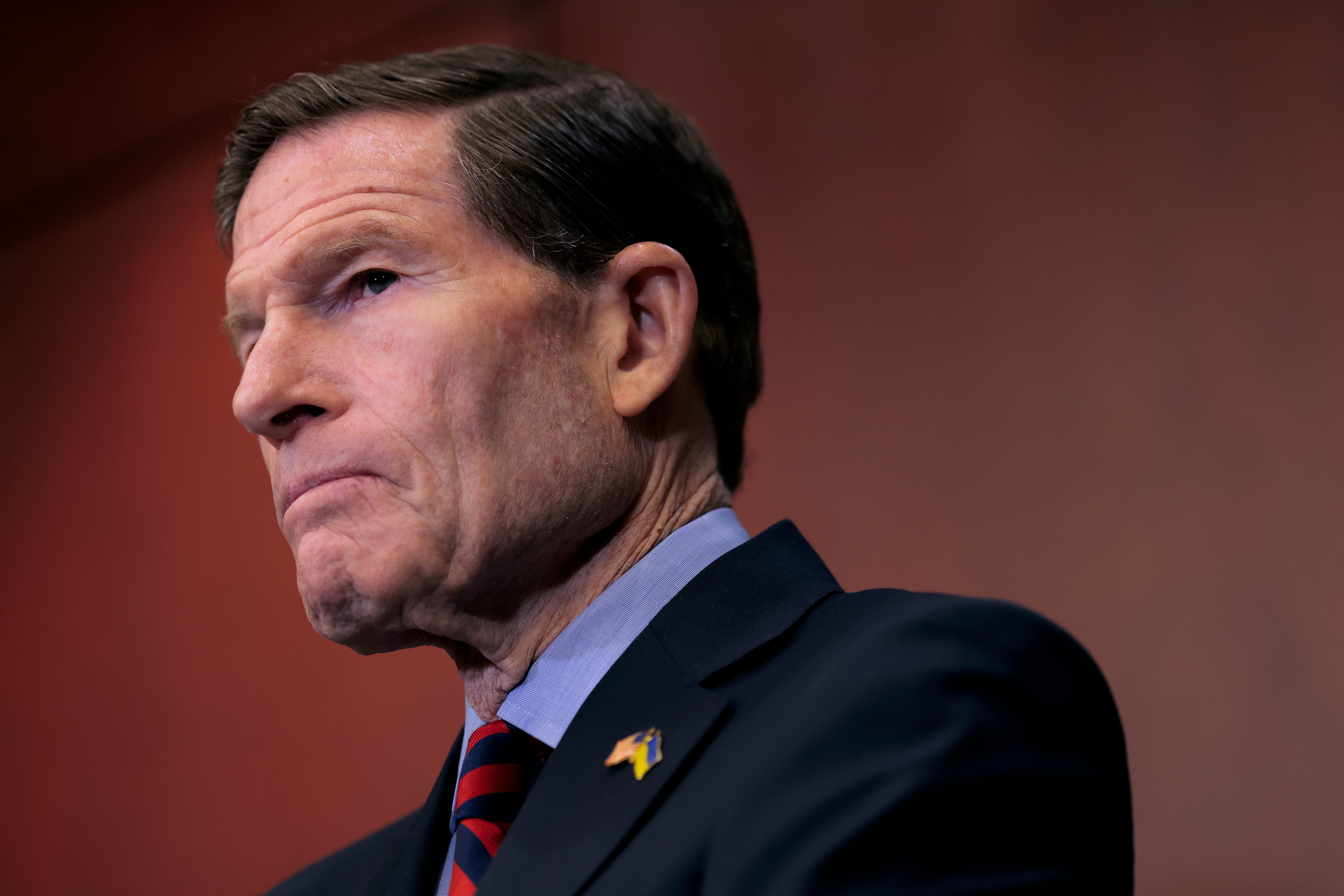
Senator Richard Blumenthal, a Connecticut Democrat who serves on the Senate Armed Services Committee, has already said he will not support a $200 billion funding request.
“I think its chances of passing Congress are slim, maybe slim to none. The reason is very simply — it could be misinterpreted as approval of the war,” Blumenthal told CNN’s Kaitlan Collins Wednesday night.
“They need to have members of the administration come to the Congress in opening hearings, under oath, talk about the objectives, the strategy [of the war], which right now is confused and chaotic,” the senator said.
Pentagon officials previously told lawmakers in a private meeting that the first six days of the Iran war had an estimated cost of more than $11.3 billion, several outlets reported at the time.
Congress already approved $838.5 billion in defense funding for the 2026 fiscal year, according to the Senate Appropriations Committee.
A recent The Economist/YouGov poll found 56 percent of Americans strongly or somewhat disapprove of the way President Donald Trump is handling the situation in Iran, while 36 percent strongly or somewhat approve.
Looking across party lines, 92 percent of Democrats disapprove of Trump’s military action in Iran, and 81 percent of Republicans approve of it. Most independents, 63 percent, disapprove of the U.S. strikes.


