
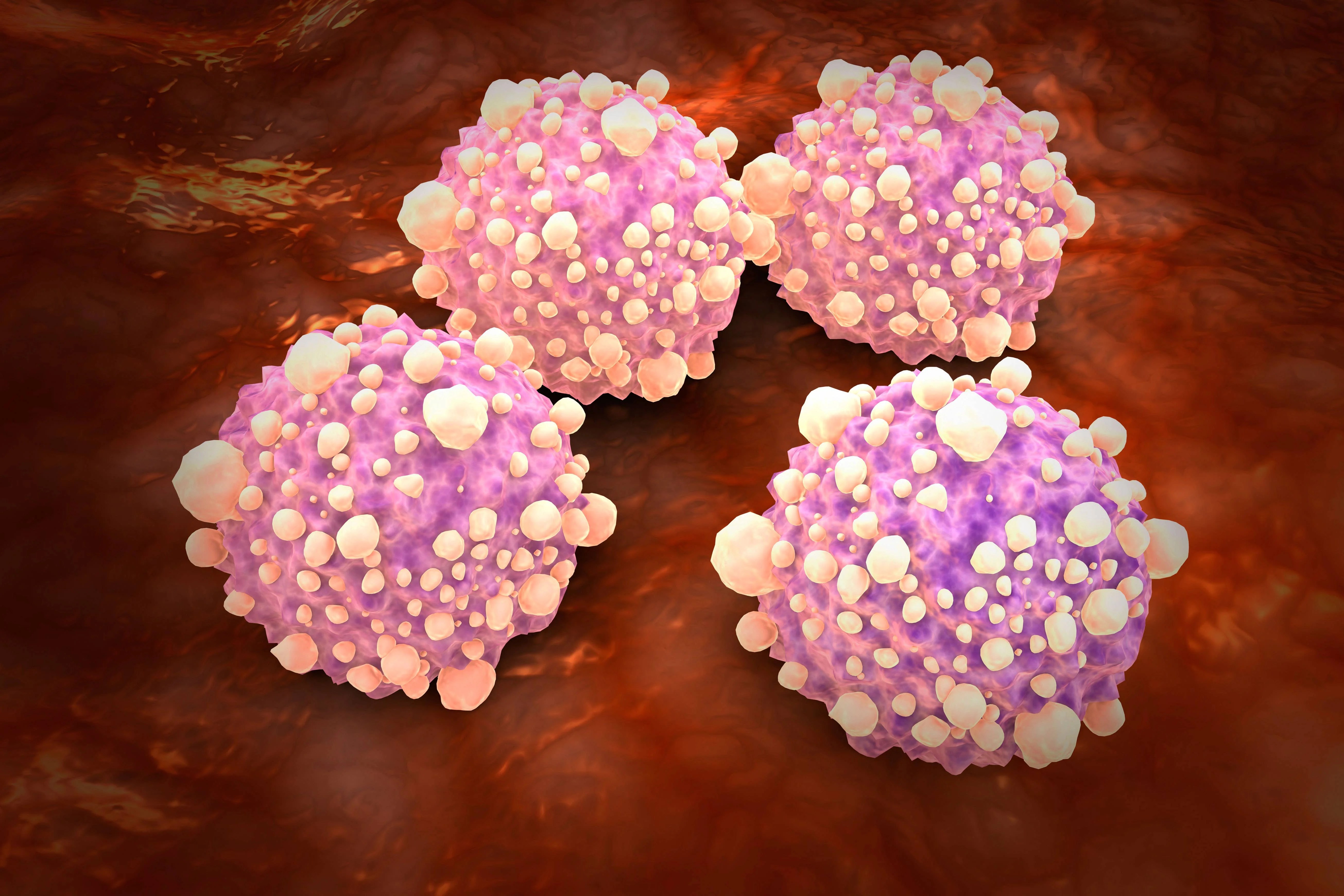
Scientists may have discovered the way in which pancreatic cancer – dubbed the “silent killer” – hides from the immune system, and how disrupting this process could help tumours to shrink.
In a recent study, researchers from the University of Würzburg in Germany found that the cancer gene MYC, which helps cancer cells grow, also camouflages tumours by suppressing alarm signals that normally activate the immune system and attack the tumour.
But by blocking this mechanism in animals, the researchers found a dramatic reduction in tumours, suggesting a new way in which cancer can be exposed to the body’s own defences.
The study was led by Martin Eilers as part of the Cancer Grand Challenges KOODAC research team. He said: “While pancreatic tumours with normal MYC increased in size 24-fold within 28 days, tumours with a defective MYC protein collapsed during the same period and shrank by 94 per cent – but only if the animals’ immune systems were intact.”
The findings open up promising new avenues for cancer therapy, as future drugs could be used to make tumours visible and vulnerable to the body’s immune system without harming healthy cells, Mr Eilers added.
Pancreatic cancer is the fifth biggest cancer killer in the UK, with around 10,000 deaths each year. It has the lowest survival rate of all common cancers, with five-year survival at less than 7 per cent.
It is nicknamed the “silent killer” because patients’ symptoms often appear only after the disease has advanced to a stage where treatment options are limited.
MYC plays a major role in cancer and is activated in up to 70 per cent of human cancers, according to prior research.
The Cancer Grand Challenges KOODAC team was funded in 2024 to tackle childhood solid tumours.
It is developing innovative ways to target the proteins that drive tumour growth, and the findings of the study will be used by the team to design potential new treatments for MYC-driven cancers in children.
Director of the team, Dr David Scott, said: “Cancer Grand Challenges exists to support international teams like KOODAC that are pushing the boundaries of what we know about cancer.
“Research like this shows how uncovering the mechanisms tumours use to hide from the immune system can open up new possibilities, not only for adult cancers but also for childhood cancers that are the focus of the KOODAC team.
“It’s an encouraging example of how international collaboration and diverse expertise can help tackle some of the toughest challenges in cancer research.”


