
AI companies see success in predicting drug failures after building virtual human trials

Want to bookmark your favourite articles and stories to read or reference later? Start your Independent Membership today.
Already a member?
Log in
A late-stage clinical trial for Novartis’ experimental muscular dystrophy treatment del-desiran failed to meet its primary objective last month, causing the Swiss pharmaceutical company’s market value to fall by $30 billion as shares dropped 11%.
The outcome diverged sharply from projections by the company’s chief executive officer, who had estimated peak annual sales reaching $5 billion.
Artificial intelligence startup BioinvestGPT anticipated the result.
In July, the company ran a simulated trial using virtual patients to evaluate response to del-desiran, predicting the drug would offer an insignificant clinical benefit.
BioinvestGPT and other AI firms report they are partnering with drugmakers on virtual trial simulations to improve the likelihood that experimental therapies prove safe and effective before entering costly traditional clinical trials.
The global biopharmaceutical industry spends approximately $140 billion annually on human clinical testing, yet only about 12% of candidate drugs gain regulatory approval, a success rate that has remained stagnant for decades.
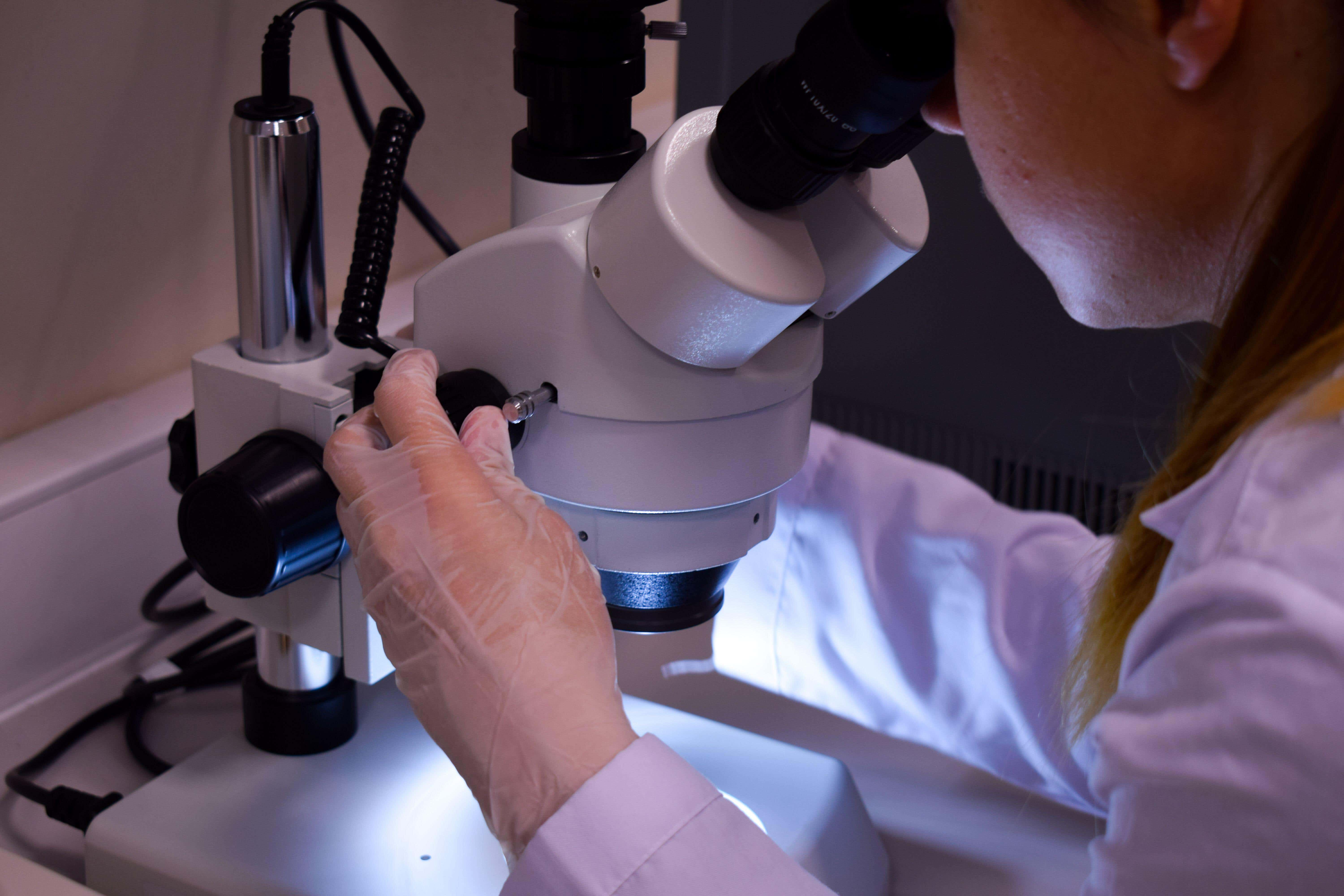
AI companies state that simulations can identify which drug development programs warrant advancement and help assess acquisition targets.
As predictive AI tools become more adept at identifying clinical risks, developers suggest unexpected trial failures could become less frequent.
Standard human trials begin with small Phase 1 studies focused on safety, followed by mid-stage Phase 2 trials and large Phase 3 trials required by regulators to evaluate efficacy.
This process requires years, compared to a month or less for certain AI simulations.
“We shouldn’t only ask how to run trials faster. We should ask how to run fewer trials that are going to fail,” said Francisco Beca, chief medical officer at QuantHealth, an AI clinical trial simulation platform based in Tel Aviv.
Investment in AI drug discovery reached $8.4 billion in 2025, more than double the total from 2023, according to a recent report from McKinsey.
The report noted spending remains focused where the technology is currently most effective, such as molecule design, rather than major industry bottlenecks like demonstrating drug efficacy through protracted trials.
Pharma companies are “dipping their toes” into AI trial modeling, said McKinsey partner Alex Devereson.
Companies are utilizing various forms of the technology, internally or with external partners, to evaluate drug candidates before committing capital to a program, he noted.
U.S. health regulators last week announced initiatives intended to accelerate drug trials. If successful, the efforts could establish a path for predictive AI to be incorporated into clinical development, according to a federal health official.
Copenhagen-based BioinvestGPT shared detailed analyses with Reuters in July outlining expected outcomes for several high-profile drug trials prior to the release of results.
To date, the company has correctly predicted five out of six outcomes.
These included the negative trial result for del-desiran, success for a melanoma vaccine developed by Moderna and Merck, a weak clinical benefit for AstraZeneca and Ionis’ heart drug Wainua, the initial failed trial for Novo Nordisk’s heart drug ziltivekimab, and success for Vaxcyte’s pneumococcal vaccine.
The primary objective of the pharmaceutical industry is demonstrating superior clinical benefit compared to the established standard of care, said Bragi Lovetrue, who co-founded BioinvestGPT with his wife Idonae Lovetrue in 2024.
The platform uses DNA sequencing to model a human body matching the specific eligibility criteria for a clinical trial, then executes a virtual trial using a model of the test drug.
“We can pinpoint the reason why a drug is effective and safe, and in many cases, why not,” Lovetrue said.
The simulations are not infallible. Predictive AI previously forecast positive results for Novartis’ pelacarsen, which reduces blood levels of a cholesterol carrier known as lipoprotein(a). In September, Novartis announced the drug failed to lower the risk of major heart attack or stroke in patients with a genetic risk factor during a late-stage trial.
A subsequent review indicated “we got the mechanism wrong,” by failing to account for genetically determined variations in lipoprotein size, Lovetrue said.
QuantHealth, which uses real-world data alongside AI to model patient-level treatment responses, has published trial simulations for ulcerative colitis and cholesterol therapies.
BioinvestGPT has generated forecasts for a wide array of clinical trials.
For trial results expected before the end of the year, the AI company predicts failure for two Phase 3 trials of Biogen’s litifilimab in the most common form of lupus, alongside Phase 2 studies of Japanese drugmaker Takeda’s zasocitinib in Crohn’s disease and ulcerative colitis.
The AI model indicates both drugs are “suboptimal” for those specific trial populations.
Biogen’s drug targets an immune cell receptor called BDCA2 and is also under evaluation for a different type of lupus. Takeda recently filed for US approval of zasocitinib — which blocks the enzyme tyrosine kinase 2 — in plaque psoriasis, and is running a Phase 3 study in psoriatic arthritis.
Takeda research chief Andy Plump noted TYK2 was identified as a target through human genetics analysis, while machine learning was used to optimize and polish the daily pill’s structure.
“I have immense confidence in this mechanism,” Plump said. “I don’t think we are near being able to use tools like AI to make definitive predictions.”
Diana Gallagher, Biogen’s head of clinical development for multiple sclerosis, immunology and Alzheimer’s, stated the company employs “every tool available to us,” including AI.
She noted only two biologic drugs have received approval for lupus, meaning AI algorithms reliant on historical data may be inclined to predict negative outcomes.
Beca and other experts contend human trials will remain necessary, but argue AI simulations provide valuable insight when evaluating experimental drugs.
“Is it still ethical in 2026 to expose patients to a trial that most likely will fail?” Beca said. “With the advancement of this (AI) technology, come 2027, 2028, or 2029, probably the answer is going to be that it no longer is.”
