
The dA-Zed guide to the 90s

Jefferson Hack’s da-zed guide to the 90s
Gallery / 17 images
A IS FOR ACID HOUSE
Not just the music, but the permission it gave us. Warehouses and fields became temporary autonomous zones. For a moment, difference dissolved. Youth culture wasn’t being marketed back to itself yet; it was building its own mythology in real time.
A singular force who channelled folklore, electronic music and fashion into something entirely her own. She made emotion feel futuristic. With collaborators like Michel Gondry and Chris Cunningham, she proved that music videos could be an experimental artform, and that pop could be intimate, rebellious and radically imaginative all at once.
C IS FOR CLUB CULTURE
Nightclubs were the true laboratories of culture. Before social media, the dancefloor was where identity was rehearsed and coded. DJs were editors of emotion, sampling and sequencing the era into something fluid and borderless. Scenes formed in the dark and radiated outwards into fashion, art and media.
Who instinctively understood new energy. Flying Rankin and me to LA for our first celebrity cover felt like recognition. Bowie always knew where culture was moving before it had moved, so it was an honour to have him endorse us when we were still so young!
E IS FOR EXPERIMENTATION
In sound, imagery and identity. Nothing felt fixed. Genres were quick to blur, gender codes were radically loosened, publishing was reinventing itself, the internet was bringing borderless sampling and exchange of ideas to the forefront. Risk wasn’t a strategy; it was instinct.
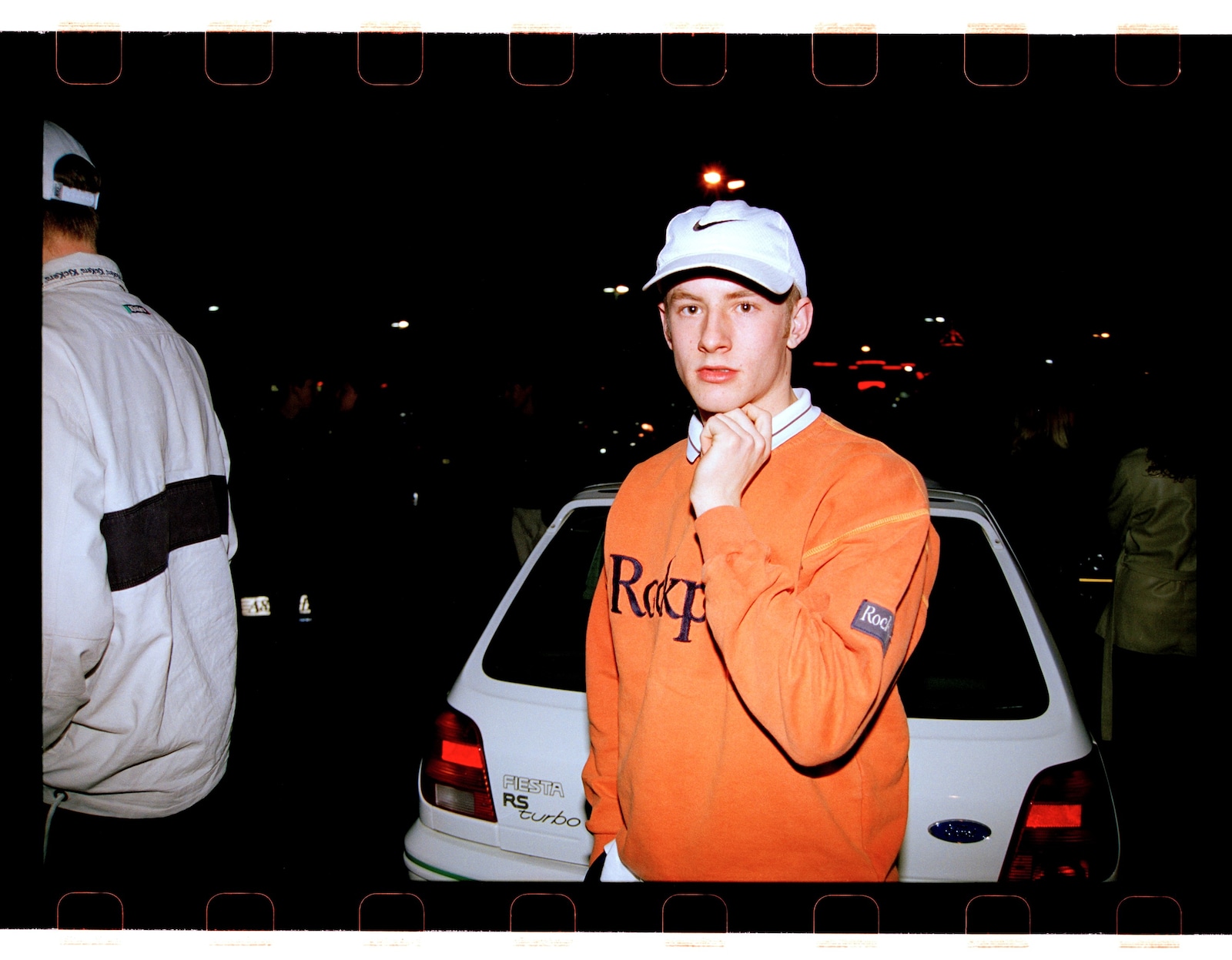
F IS FOR FASHION
A new generation of designers led by Alexander McQueen, Hussein Chalayan, Raf Simons, Helmut Lang, Marc Jacobs and, later in the decade, Hedi Slimane… Fashion became a new language for a new generation, who rejected glamour for a more autobiographical, auteur sensibility bringing fashion closer to youth culture.
G IS FOR GRUNGE
A corrective to excess. It allowed imperfection to become aesthetic, anti-fashion to become fashion.
H IS FOR HEROIN CHIC
When Bill Clinton publicly criticised Dazed & Confused [for allegedly promoting the trend], it revealed how potent youth imagery had become. Photographers were documenting what they saw around them fragility, excess, reality but did their images create culture, or did they simply expose it?
I IS FOR INDEPENDENCE
Independent labels, independent designers, independent publishing. A belief that if the system didn’t exist, you built it. DIY wasn’t a style, it was about inventing the future.

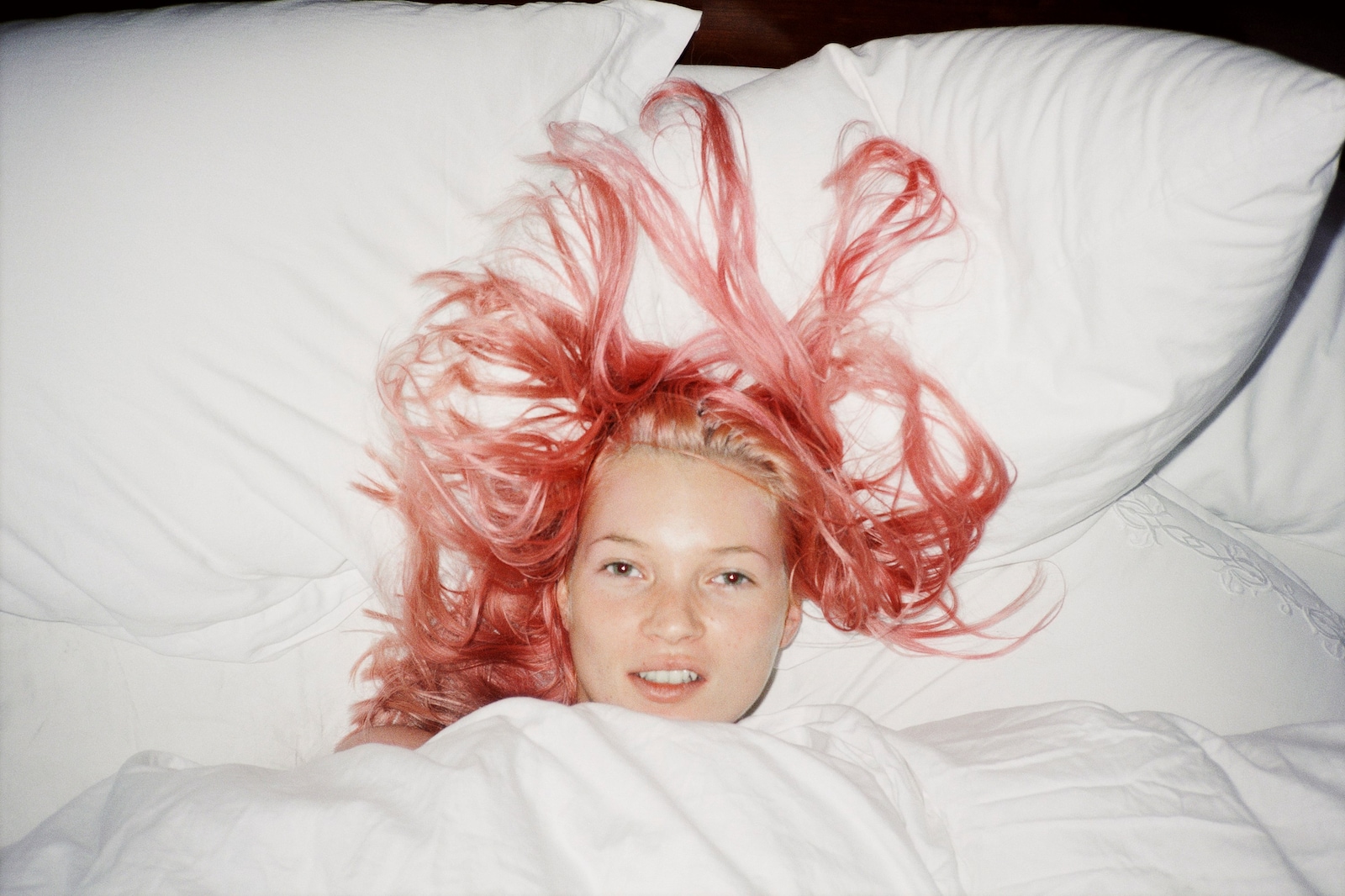
J IS FOR JARVIS COCKER
Wry, intelligent, hyper-observant. When Rankin shot A Different Class, the transparent cover felt like a manifesto: Pulp’s brand of Britpop was self-aware and original.
Who redefined beauty. She mirrored the mood of the time: unpolished, unguarded, playfully punk, a pure London attitude.
L IS FOR LEE ALEXANDER MCQUEEN
Who turned fashion into high art with daring, narrative-driven collections. When he guest-edited Dazed and put the Paralympian Aimee Mullins on the cover, photographed by Nick Knight and styled by Katy England, it wasn’t about shock, it was about reframing power and possibility.
M IS FOR METALHEADZ AT THE BLUE NOTE
A London pressure-cooker where bass became architecture. A new Black British futurism took shape in real time.
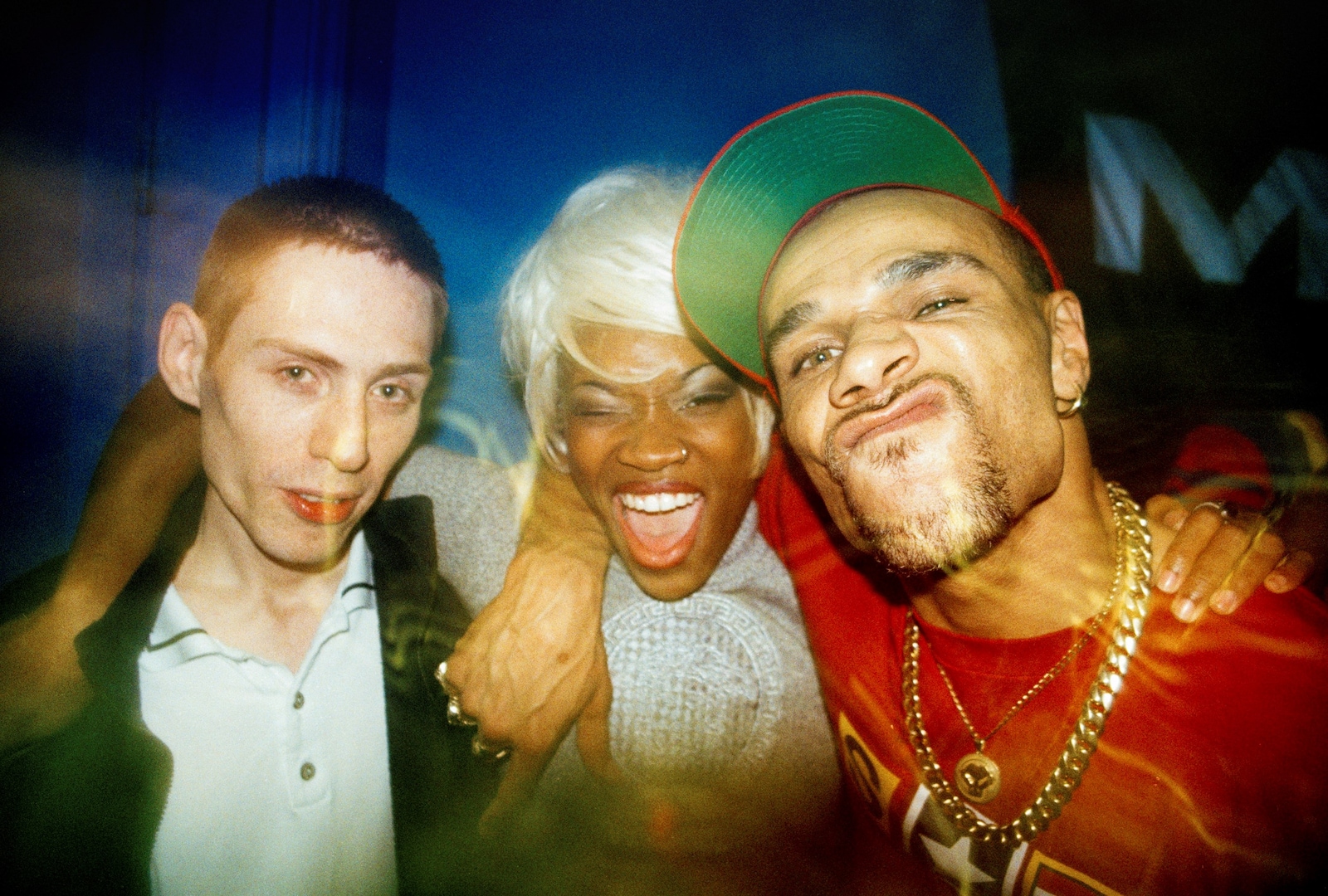
N IS FOR NIRVANA
Conviction without calculation. They shifted the mood and the psyche of a generation more inward. All of teenage angst and alienation was packed into this band’s energy and Kurt Cobain’s attitude.
O IS FOR OK COMPUTER
Prior to the release of this genre-defining album, Radiohead’s Thom Yorke and Colin Greenwood performed the songs at the Tramshed in London for the first Dazed Live. I remember standing next to Wolfgang Tillmans when the fire services tried to shut it down. The sound of Paranoid Android fused with sirens from three fire engines blaring through the Shoreditch streets still thrills me.
P IS FOR PRIMAL SCREAM
Screamadelica fused rock, rave, gospel and dub, capturing the spirit of cross-pollination and the search for newness that defined the decade.
Q IS FOR QUEER CINEMA
Gregg Araki, Todd Haynes, Gus Van Sant and others reframed queer stories. In the shadow of Aids, queer cinema put desire, anger, humour and tenderness on screen with a new sexual energy.
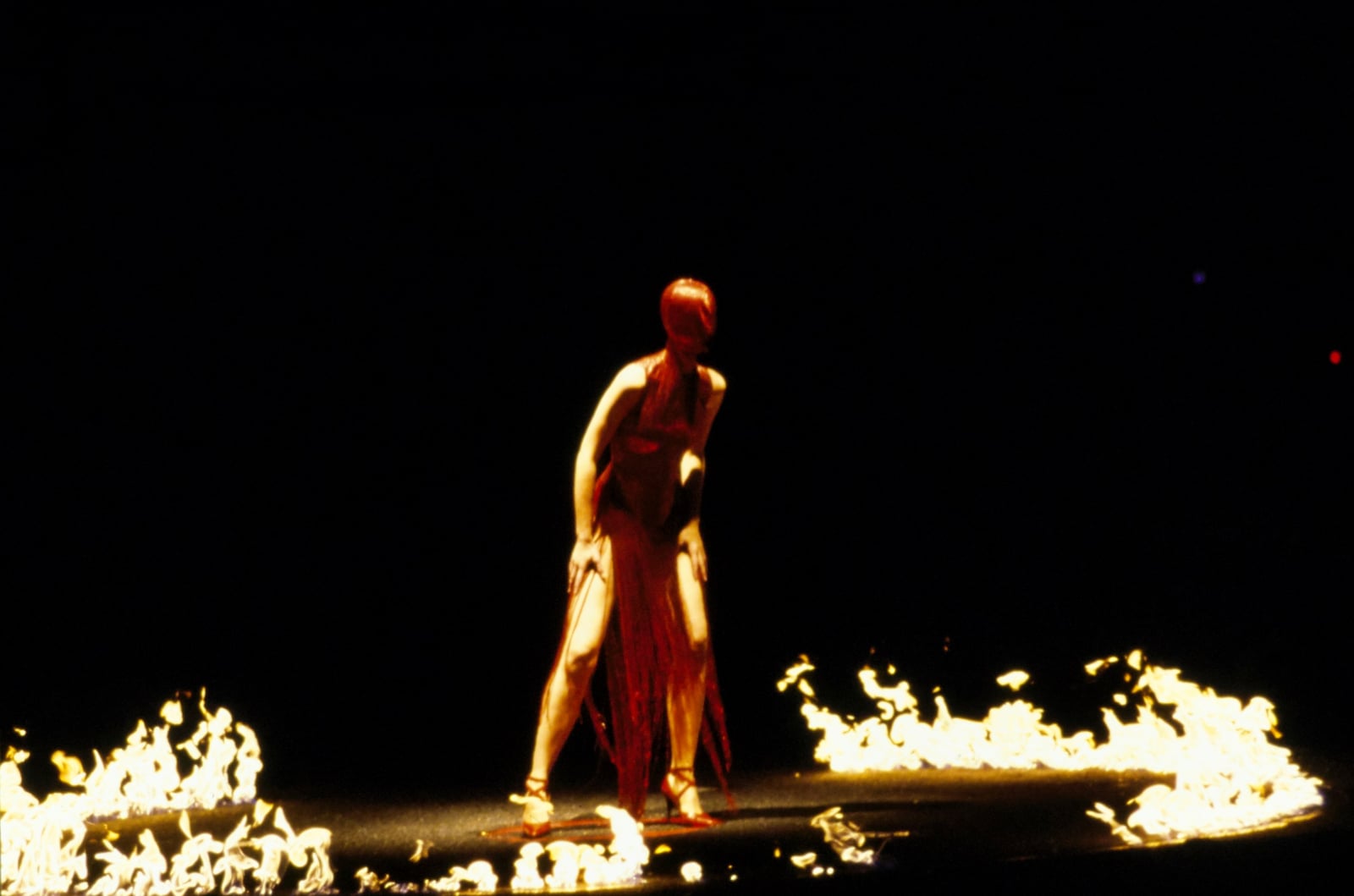
R IS FOR RANKIN
Photography as a dialogue with iconic talent including Björk, Bowie and Thom Yorke. Innovative fashion collaborations with Katie Grand and Alister Mackie that felt immediate, confrontational and memorable.
S IS FOR SIGN OF THE TIMES
This independent designer stall in Kensington Market was a cultural incubator. Under owner Fiona Cartledge’s eye, it became a meeting point for designers, artists and musicians, a place where ideas circulated as freely as clothes, and some of the decade’s most memorable parties began. It’s also famously the place where Jeremy Deller worked as a shop assistant.
T IS FOR TRAINSPOTTING
When Irvine Welsh interviewed Iggy Pop for Dazed & Confused in 1995, he was shocked that his rock’n’roll hero had never taken ecstasy. Trainspotting – the book and, later, the film by Danny Boyle with a blinding soundtrack – crystallised the bleak post-ecstasy comedown of early 90s youth culture, with the lack of opportunity and hopelessness that pervaded under the last years of the Tory government.
U IS FOR UNDERGROUND RESISTANCE
Detroit techno as futurist philosophy: political, uncompromising. They hit the UK hard early on before ricocheting through Europe and back out to the world.
Fashion as sophisticated rebellion. History sampled, distorted, remixed. She was always the queen of London fashion.
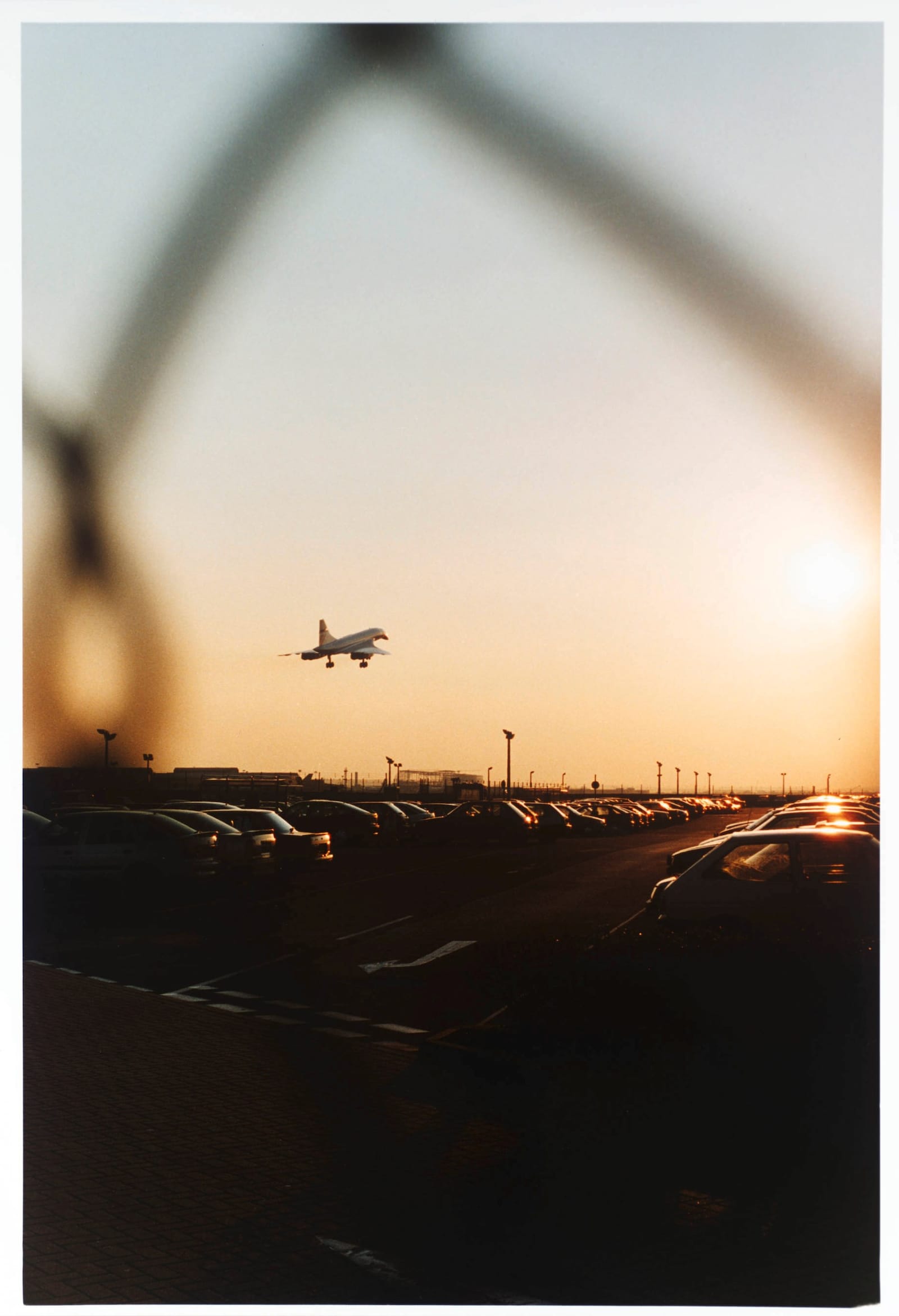
W IS FOR WOLFGANG TILLMANS
Who reframed photography as lived experience. From club kids to lovers, friends and underground scenes, he made the everyday radical and the radical tender.
X IS FOR X-GIRL
Kim Gordon’s femme-focused streetwear label, which brought together Spike Jonze and Sofia Coppola to produce its first show with Chloë Sevigny on the runway. All good things in New York in the 90s revolved around Kim and Thurston Moore…
Y IS FOR THE YBAS
Damien Hirst, Marc Quinn, Tracey Emin, Steve McQueen, Sarah Lucas, Gary Hume, Chris Ofili, the Chapmans… They all tried to break from the past and also to outdo each other. Sensation was used as strategy and also as a reset. They were the first artists to really court the media, and with collectors and gallerists such as Charles Saatchi, Sadie Coles and Jay Jopling, an economy was created around their creative vivacity that became as unapologetic as the work.
Z IS FOR ZINES
DIY self-publishing. Manifestos passed hand to hand. That’s how Dazed began – a black-and-white poster zine, no staples, just four A2 sheets of paper folded to an A4 cover. With a note to the reader: “This is not a magazine…”
The 90s: Art and Fashion is on show at Tate Britain until 14 February 2027
