
Scientists might finally have an answer on the origins of your seasonal allergies

Want to bookmark your favourite articles and stories to read or reference later? Start your Independent Membership today.
Already a member?
Log in
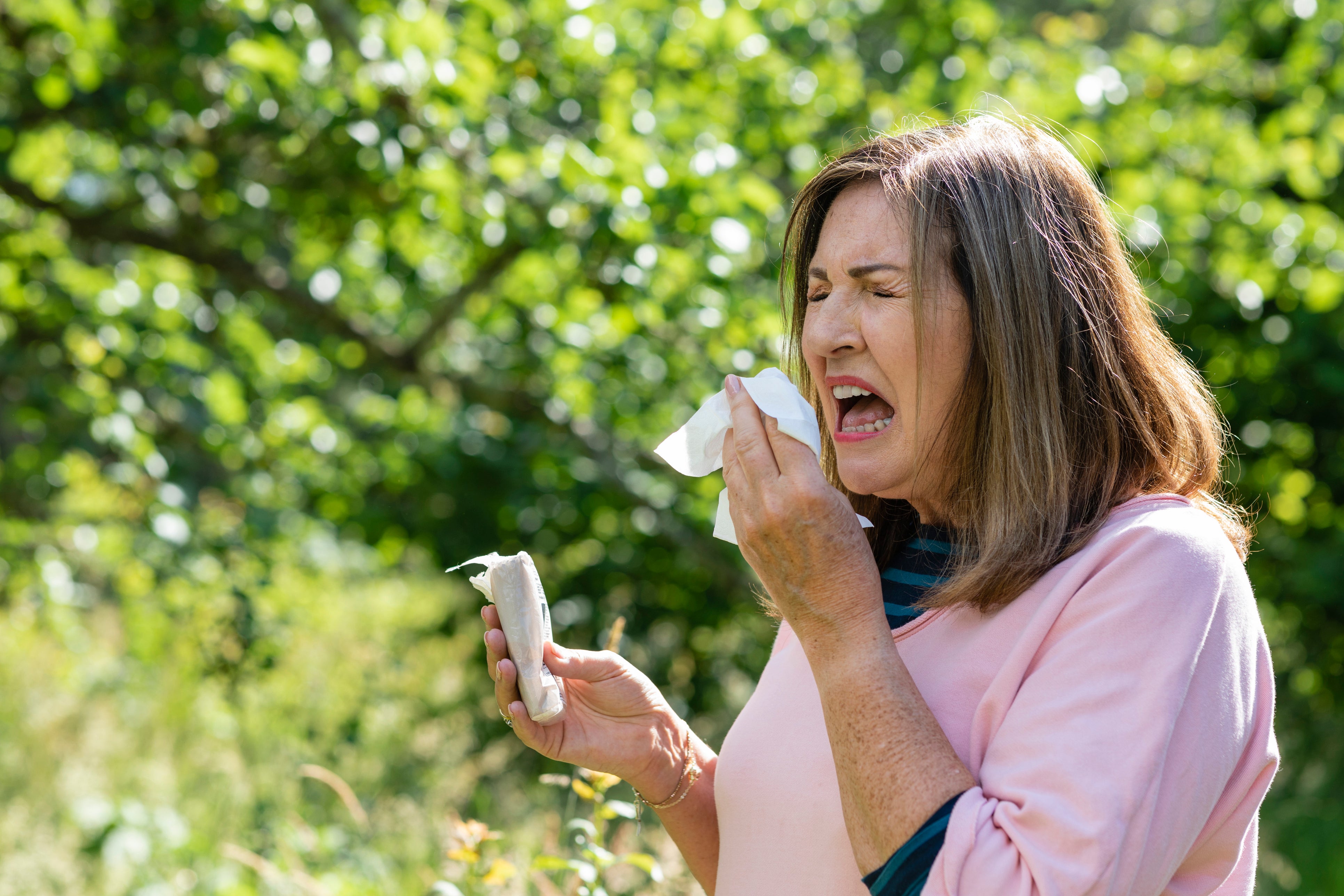
Some 80 million Americans suffer from seasonal allergies that leave them sneezing and tearing through the fall.
Now, researchers have further pulled back the curtain on the origin of our allergies, finding in a new study that repeated exposure to allergens, such as pollens and molds, can make allergies worse.
Nerve cells that work to help us feel sensations – a shooting pain or an itch – remember allergens humans come in contact with, Mass General Brigham Health Care System scientists say.
It’s this memory that allows the cells to respond more strongly to later exposures – even if the allergen is gone.
“Now that we know what may cause people to become allergic and pick up more sensitivities, we can design ways to stop it from happening,” senior author Dr. Caroline Sokol, a physician-scientist in the Mass General Brigham Department of Medicine, explained in a statement.
The cells were known for their ability to form memories, but the researchers had wondered if allergens could leave one.
They tested this idea in mice, finding that exposure to allergens including dust mites and a papaya-derived compound activated a specific process in the cells that led them to respond to allergens with similar activity but different molecular structures.
That suggested to the researchers that the cells remembered a shared feature of these allergens: a possible explanation for why developing sensitivity to one allergen can raise susceptibility to others.
The findings could help to better fight allergies, which are also worsening due to human-caused climate change.
Allergies form when the immune system is triggered by a substance it perceives as a threat, resulting in an allergic reaction. For many people, this is pollen, including from trees and weeds, though each season varies.
Unfortunately, warmer weather means earlier blooming seasons, more pollen and later freezes – which typically provide relief come fall.
Close to 180 U.S. cities now see their first freeze an average of a dozen days later than in the early 1970s, according to the non-profit Climate Central.
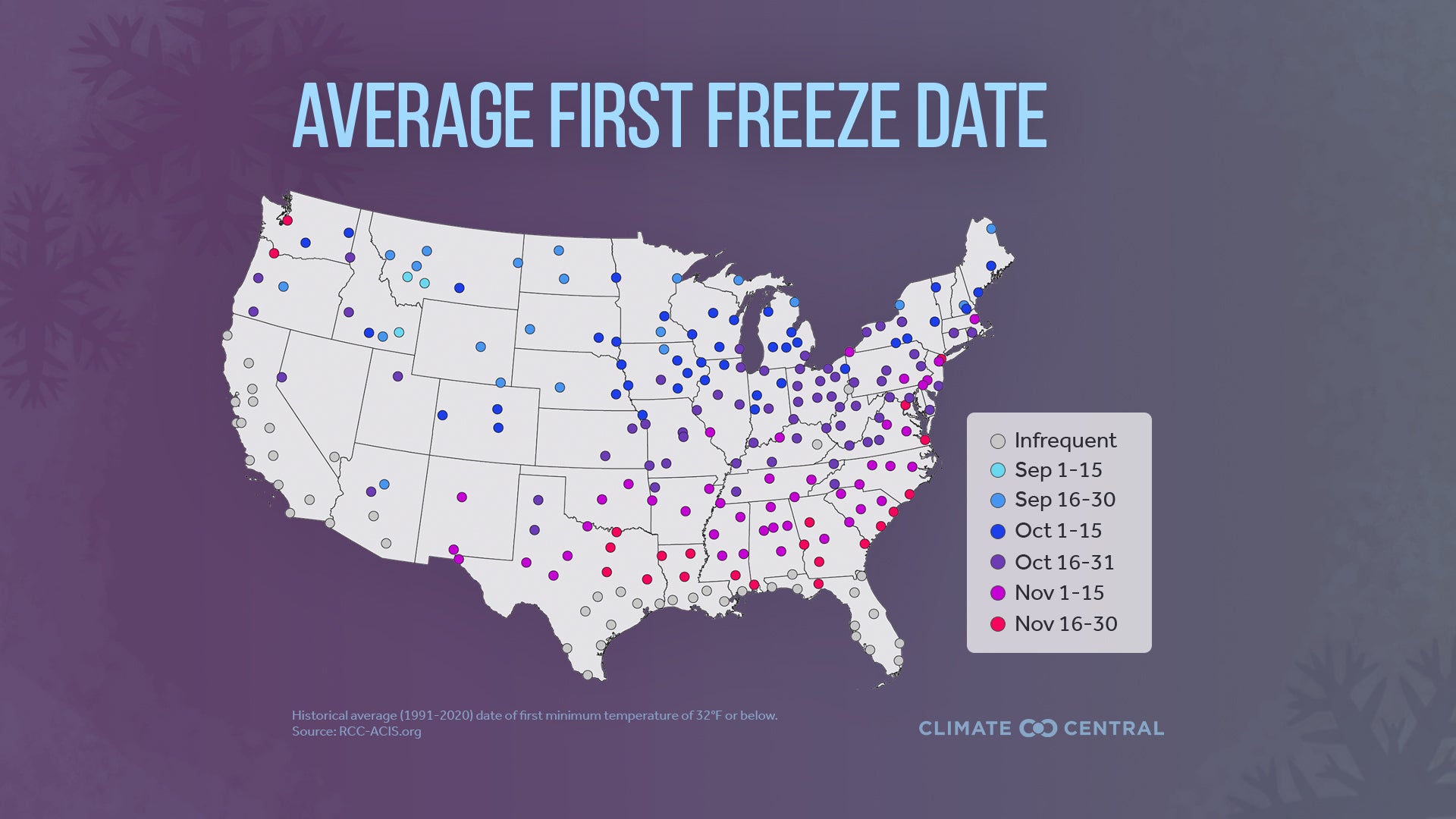
This fall, the super El Niño climate pattern has exacerbated these effects, bringing wet conditions to the Southeast and southern Rockies that forecasters say help raise pollen levels.
Fortunately, this research could help reduce allergy risk in the future – even as temperatures rise.
For one, Sokol said they say the allergic memory in the cells fades with time.
“We are now investigating whether we can deliberately reset this memory, which could ultimately offer a way to reduce the risk of developing allergies,” she said.
