
End of an era as NYC finally moves to ban Central Park horse-drawn carriages

Want to bookmark your favourite articles and stories to read or reference later? Start your Independent Membership today.
Already a member?
Log in
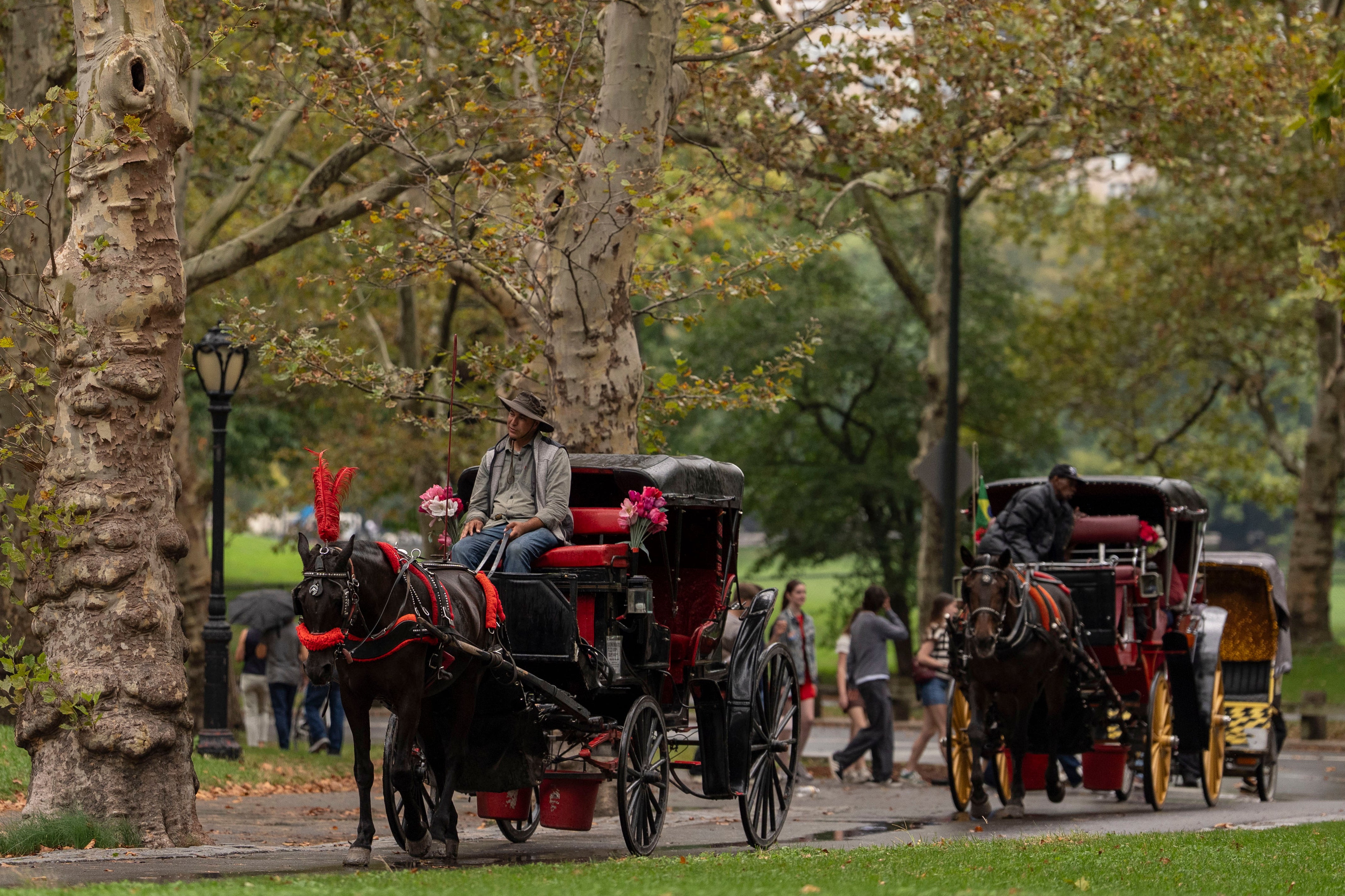
New York City is poised to end a 150-year-old tradition as the City Council prepares to vote on a measure that would phase out horse-drawn carriages in Central Park by June 2028. While animal rights advocates have fought for decades to end the practice, the decision leaves more than 150 drivers facing deep financial uncertainty.
For those whose lives revolve around the horses, the future remains entirely unclear.
“No one can come up with an appropriate answer because there is none,” said Alexus Lawson, a 28-year-old carriage driver from Queens who grew up with horses and worked previously as a riding instructor. She expressed grave concern over what will happen to her animals, including 7-year-old Starlight. “Without a job, how can I take care of my horses?”
The legislative push intensified following a tragic accident last spring when a teenage tourist was killed, reigniting the long-standing debate over animal welfare and safety in the city. Yet, the core dilemma of how to support workers left without employment continues to loom over the decision.
Under the proposed law, Mayor Zohran Mamdani’s administration must establish a transition strategy by next April to assist displaced drivers. The proposal envisions placing workers into alternative roles within the transit, hospitality, or taxi sectors, while offering career placement services and potentially providing financial relief.
According to a spokesperson for the mayor, City Hall has initiated talks regarding financial compensation and is drafting a workforce transition scheme. Mamdani said municipal leadership has a “civic responsibility to ensure that we are not leaving anybody out to dry.”
The impending ban feels like an unfair strike to veteran workers like 56-year-old Medet Fidan. A former taxi driver who transitioned to carriage driving 15 years ago after ride-hailing services disrupted the cab market, he feels targeted by the decision.
“I think the city is leaving us a big mess,” Fidan remarked. “We’re going to lose our businesses, we’re going to lose our jobs, we’re going to lose our livelihoods.”
A spokesperson confirmed that Council Speaker Julie Menin “will remain engaged in the transition process,” noting that the bill establishes a firm timetable for municipal action on worker transition. However, resistance remains strong, with the drivers’ labor union promising to launch a lawsuit “the minute the ink dries” on the new law.
Attempts to shutter the carriage industry have stalled under past municipal administrations. Former Mayor Bill de Blasio pledged to eliminate the carriages immediately upon entering office, but his efforts foundered following heavy union opposition and a publicity push featuring actor Liam Neeson. Eric Adams, the mayor before Mamdani, also suggested a prohibition late in his term, but it failed to gain traction.

The current legislative momentum gathered force after 18-year-old Indian tourist Romanch Mahajan died in June after leaping from a bolting carriage. The incident marked the first known fatal carriage accident in Central Park since the rides were introduced.
The victim’s father, Deepak Mahajan, delivered emotional testimony to city representatives, explaining that his son jumped from the carriage to assist his mother after she was thrown clear when the horse unexpectedly bolted. The family urged city officials to end the rides permanently.
While carriage drivers have expressed deep sorrow over the death of Mahajan, they maintain that an entire industry should not be dismantled over a single tragic event.
“It does nothing for alternate employment, for the continuation of our businesses,” said Christina Hansen, a veteran driver and spokesperson for the industry. “Who’s going to pay my rent while I’m looking for a job.”
