
America is going back to the moon. Here’s why it’s a big deal – and why you should be OK with the $93 billion cost

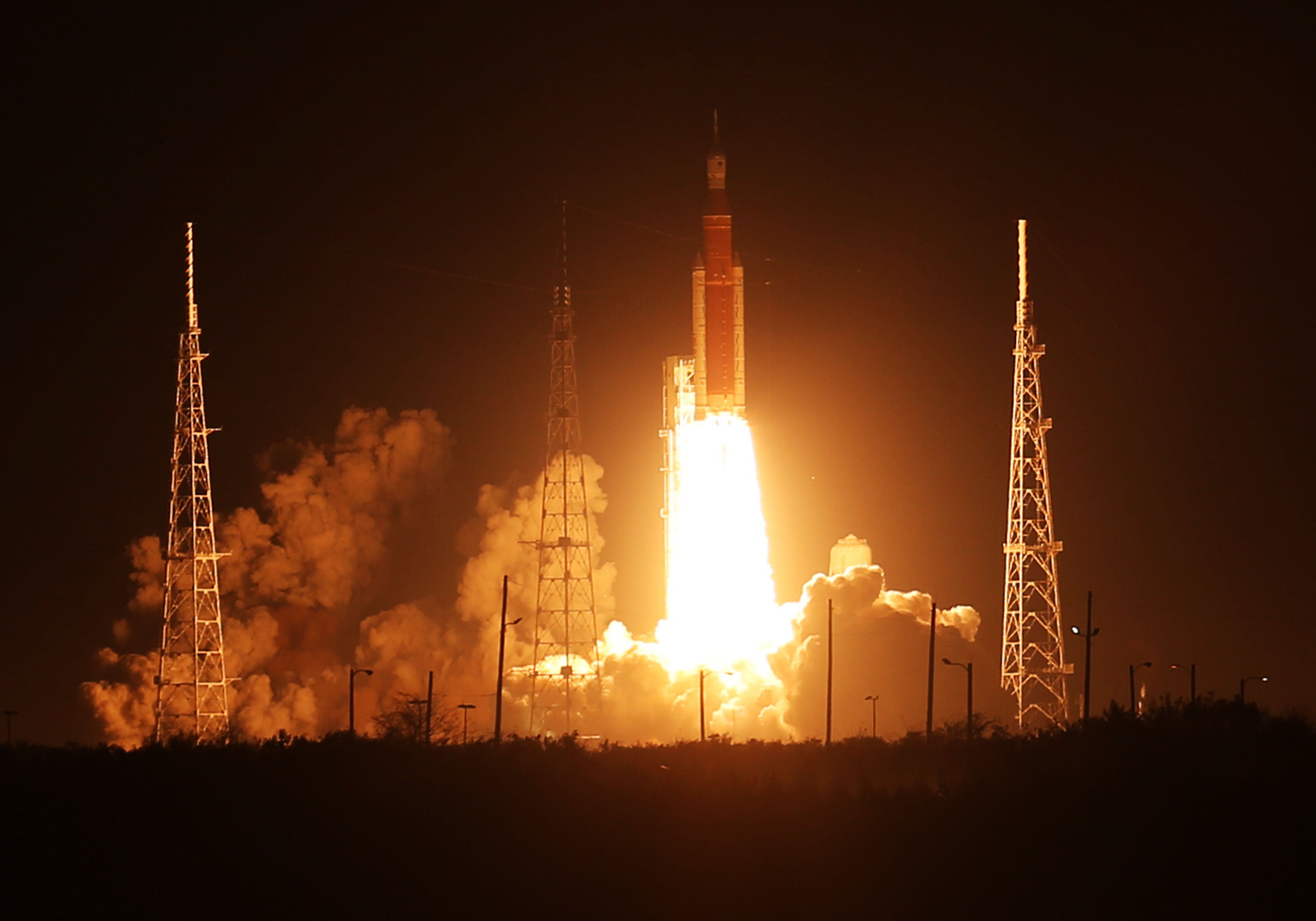
Four NASA astronauts are set for a historic journey around the back side of the moon when they launch to the heavens from Florida Wednesday evening and mark man’s return to the lunar area for the first time in decades.
Artemis II cost the U.S. $4 billion, which is part of the overall return-to-moon program cost of $93 billion.
The flight would be the first attempt that humans have made to go to the moon since 1972, when NASA’s Apollo 17 mission to the moon’s Taurus-Littrow Valley wrapped up its pioneering Apollo space program. Apollo 17 came three years after the Apollo 11 astronauts walked on the lunar surface. But if we’ve already been to the moon, why are we going back – and is it worth the price tag?
It is.
“The Artemis program picks up where Apollo left off,” Newly-appointed administrator Jared Isaacma said in an interview on The Conversation podcast. “Not to return to the moon, to plant the flag and pick up the rocks again, but to build an enduring presence, to build a moon base so we can realize the scientific and economic value of being on the lunar surface.”
The Artemis II flyby is the second phase of NASA’s ambitious Artemis program – launched under the first Trump administration – which aims to return humans to the moon’s surface by 2028 and complete operations that will set the stage for humans on Mars. It’s all part of the decade-long Artemis program.
If the 10-day Artemis II trip is successful, NASA will turn its attention to a crewed mission in 2027 that will test the capabilities of commercial spacecraft – made by SpaceX and Blue Origin – needed to land astronauts on the moon.
The goal is to establish a base on the moon by the 2030s, which will be powered by nuclear energy and make sure the U.S. remains the world’s leader in spaceflight and exploration for years to come. It may sound like sci-fi worthy of a blockbuster movie featuring Ryan Gosling, but the $20 billion base will also give NASA the ability to ensure the human species can survive somewhere other than Earth.
Tests and science conducted at the base will pave the way for astronauts – and eventually regular people – to live on dusty Mars, according to NASA.
“Artemis is not just a return to the moon, but a gateway to living and working on another world,” retired astronaut and aerospace engineering professor Dr. Bonnie Dunbar, who joined NASA in 1978, said in a statement shared with The Independent. “We’re advancing science, testing technology and forging the path to Mars.”
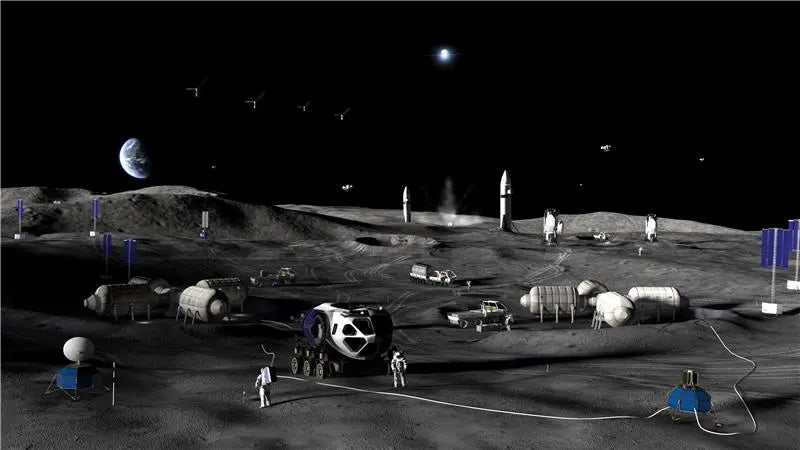
It also just makes more sense to launch rockets from the moon, which has less gravity than Earth, National history Museum planetary scientist Professor Sara Russell explained.
However, it’s not just about the science. These operations will help bolster the burgeoning commercial space industry. Partnerships with commercial companies can help NASA make progress faster and at a reduced cost to the government.
NASA said earlier this month that it would incorporate more commercially produced hardware for more frequent missions and lunar landings, “initially targeting landings every six months, with the potential to increase cadence as capabilities mature.”
Beyond boosting corporate partnerships, Isaacman has said future actions are aimed at supporting America’s international leadership in space.
The stakes are pretty high – whoever gets to the moon first has the ability to control the lunar economy and what happens there – and the U.S. has some major competition.
The China National Space Administration plans to send its astronauts to the moon by 2030 and they made significant progress developing their rocket and lander in the last year.
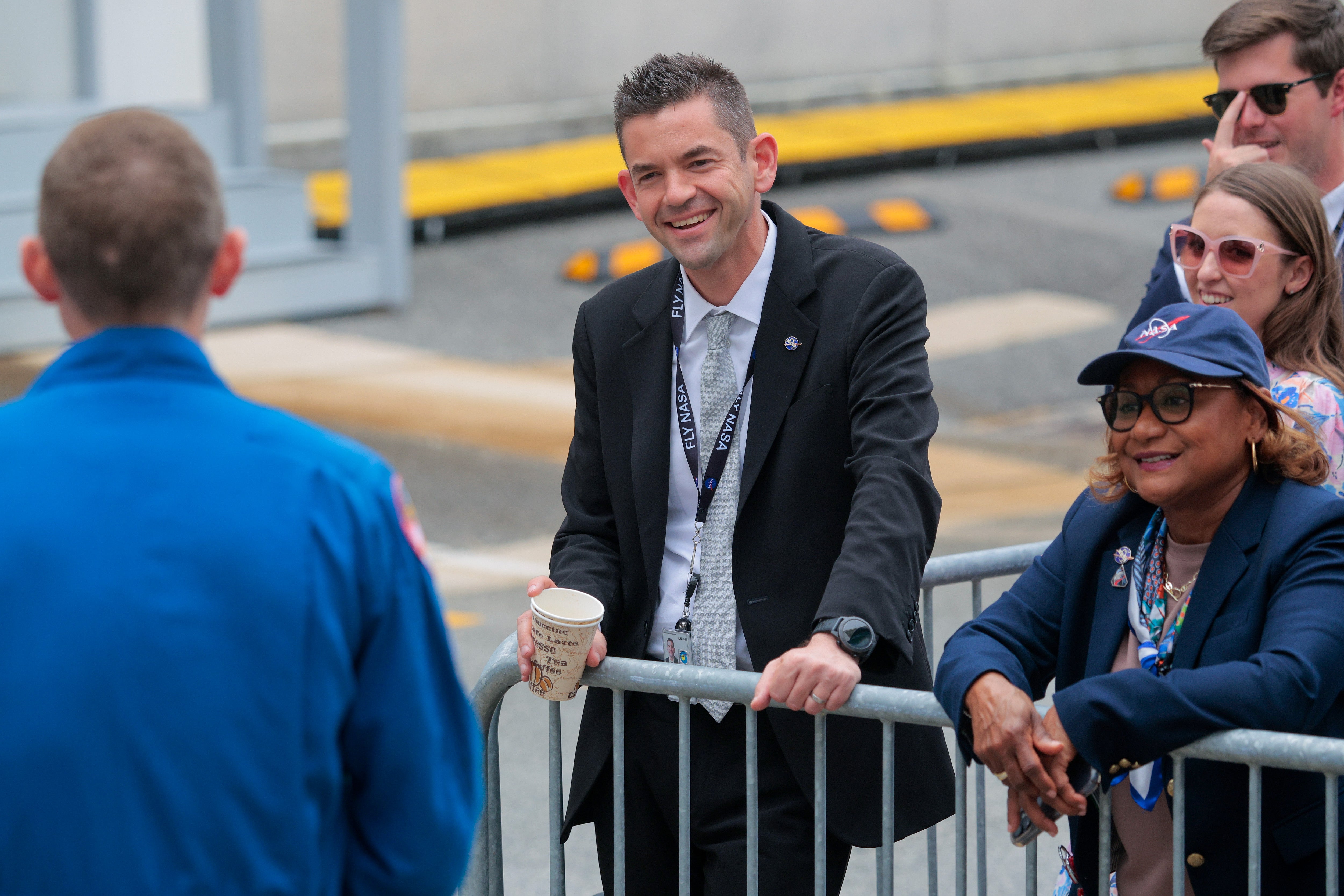
“Rules are made by people who show up,” Scott Pace, the Director of George Washington University’s Space Policy Institute, previously told The Conversation Weekly podcast.
Isaacman said he knows that the clock is ticking in “this great-power competition,” with the outcome “measured in months, not years.”
“If we concentrate NASA’s extraordinary resources on the objectives of the National Space Policy, clear away needless obstacles that impede progress, and unleash the workforce and industrial might of our nation and partners, then returning to the moon and building a base will seem pale in comparison to what we will be capable of accomplishing in the years ahead,” he said in a statement.
That’s why NASA just said it would delay the construction of a lunar space station known as Gateway to focus on “infrastructure that enables sustained surface operations.”
Still, there’s more to the stepping stone mission than just geopolitical pressures and big business.
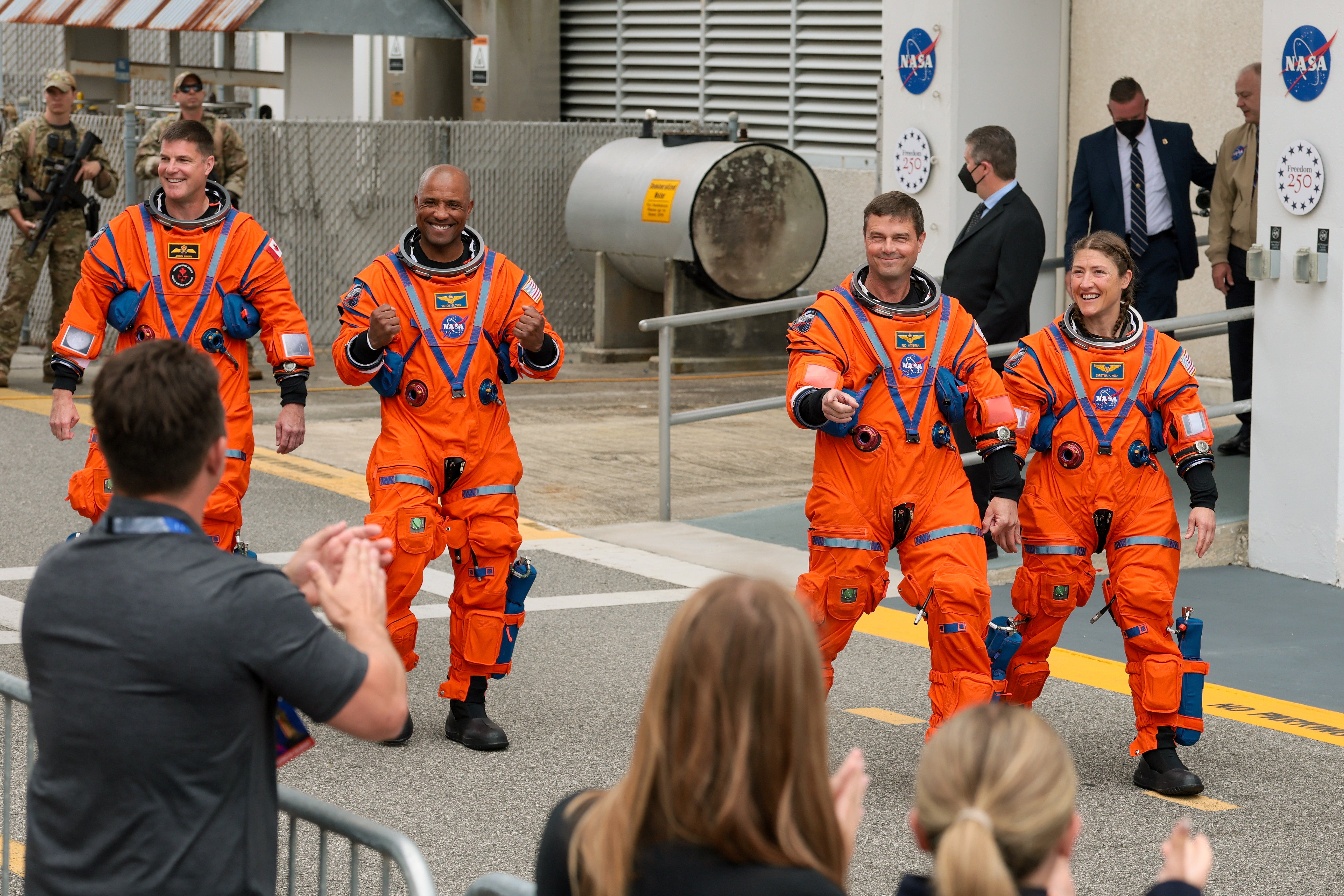
The Artemis II astronauts could take major strides for for diversity, equity and inclusion – initiatives the Trump administration has fought to suppress. Alongside NASA commander Reid Wiseman, mission specialist Christina Koch and NASA pilot Victor Glover are expected to become the first woman and first Black man to journey to the moon.
Fellow mission specialist and Canadian Space Agency astronaut Jeremy Hansen is slated to become the first non-U. S. citizen to accomplish the feat.
“It feels like an incredible privilege and responsibility,” Koch told Space.com.
Going forward with Artemis, there are some not-so-great impacts to consider.
It’s worth noting that there are concerns about environmental damage humans could bring to the lunar landscape. Companies and agencies have already polluted the low-Earth orbit area that’s the home to the International Space Station. There are thousands of satellites and many more pieces of space junk and rockd that experts fear could collide with future trips, or each other.
The billions needed for Artemis missions could be used to tackle other issues crucial to life on Earth, too.
Climate change is among the most urgent concerns and is expected to cost trillions upon trillions of dollars. U.S. greenhouse gas emissions produced since 1990 have led to more than $10 trillion in global economic damages, according to a recent assessment from Stanford University researchers.
Any rocket launches add to pollution in the Earth’s atmosphere, including planet-warming carbon emissions that are the main source of human-caused climate change.
However, the Trump administration and President Trump have labeled climate change a “hoax” and “scam,” recently revoking the Environmental Protection Agency’s own finding that greenhouse gas emissions produced by the fossil fuel industry harm human health.
States have pushed back in court.

SpaceX founder Elon Musk’s solution to escape a dying planet is to make humanity a multi-planetary species – although the billionaire has since dropped the push for a Mars-only approach.
Whether that will happen remains to be seen, but it may be the only way to keep humanity afloat if we do not act on our own problems with urgency.
Either way, Artemis II is a stepping stone to advancing humanity’s understanding of space.
NASA says that the moon holds 4.5 billion years of history, and can tell scientists about the evolution of Earth, our solar system and cosmic rays from across the galaxy.
The lunar South Pole, where NASA hopes to build a base, could be particularly fruitful.
“The lunar South Pole is home to some of the oldest parts of the moon, estimated to be 3.85 million years or older, and includes the margins of the largest and oldest impact basin in the solar system, South-Pole Aitken Basin,” NASA says.


