
Kazakhstan and the UAE Build a Strategic Economic Partnership

Written by Dr. Abdulrahim Abdulwahid
Astana – Abu Dhabi: Few bilateral relationships have evolved as rapidly in recent years as the one linking the United Arab Emirates and Kazakhstan. Once driven by modest trade and a handful of investment projects, the partnership has expanded into one of the Gulf’s most significant economic relationships in Central Asia, reflecting the changing priorities of both countries as they pursue long-term economic diversification.
The partnership reflects the complementary strengths of the two economies. Kazakhstan has spent the past decade improving its investment climate through regulatory reform, stronger legal protections and policies designed to attract high-quality foreign investment. The UAE, meanwhile, has expanded its international investment strategy beyond traditional markets, focusing increasingly on economies with strong long-term growth prospects and strategic geographic importance, and renewable energy has emerged as one of the clearest examples of this convergence.
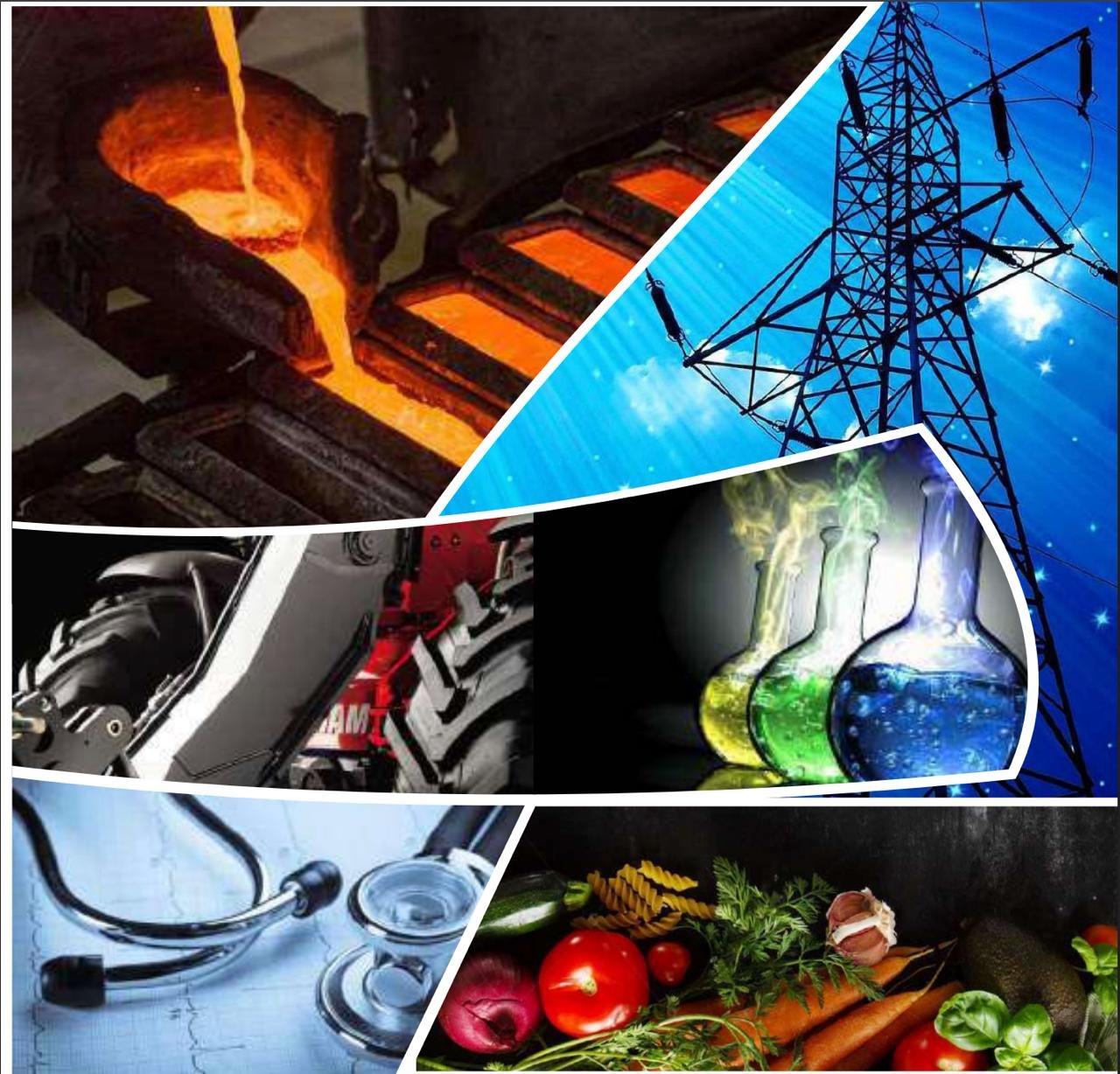
The economic relationship between
the United Arab Emirates and Kazakhstan has entered a new stage of maturity, with investment cooperation expanding rapidly beyond traditional sectors into renewable energy, digital technologies, logistics and financial services. Once characterised by selective commercial projects, the partnership has evolved into one of the most significant investment relationships between the Gulf and Central Asia, reflecting the strategic priorities of both countries as they diversify their economies and seek new engines of long-term growth.
Energy Sector
One of the clearest examples of that ambition is found in the energy sector. In June 2026, Abu Dhabi’s renewable energy company Masdar began construction of a 1-gigawatt wind farm in Kazakhstan’s Zhambyl Region. With an investment of approximately €1.2 billion (US$1.4 billion), the project ranks among the largest renewable energy developments ever undertaken in Central Asia. Beyond increasing Kazakhstan’s clean energy capacity, the project illustrates the UAE’s growing international role in financing sustainable infrastructure and supporting the global energy transition.

Kazakhstan has firmly established itself as the leading investment destination in Central Asia, attracting more than US$20.5 billion in foreign direct investment each year and accounting for nearly 89% of all greenfield investment across the region. This strong performance has drawn the attention of major international investors, including the Netherlands, China and Russia, whose investments span strategic industries such as mining, manufacturing and transport.
Kazakhstan is expected to maintain steady economic growth during 2026, although at a more moderate pace as inflation, tighter financial conditions and external uncertainties weigh on the economy. Analysts believe the country’s next phase of growth will rely less on state spending and more on productivity, private investment and economic diversification.
Economists forecast GDP growth of 3.5%–4.5%, supported by infrastructure development, manufacturing, transport, agriculture and digitalisation. While oil will remain important, investment is increasingly shifting toward non-resource industries, reflecting Kazakhstan’s long-term efforts to diversify its economy.
Inflation is expected to remain elevated at around 10–11%, limiting the scope for immediate interest-rate cuts. However, if price pressures ease during the year, the National Bank could begin gradually relaxing monetary policy to encourage investment and business activity.
Investment in Transport Infrastructure
More than US$35 billion has been invested in transport infrastructure over the past 15 years, strengthening the country’s role as a key transit hub. Today, around 80% of rail freight moving between China and Europe passes through Kazakhstan, underscoring its growing importance in international supply chains.
The investment momentum forms part of President Kassym-Jomart Tokayev’s broader economic strategy, which seeks to increase Kazakhstan’s gross domestic product to US$450 billion by 2029 while securing at least US$150 billion in foreign investment over the coming years. Rather than relying solely on its natural resources, the government is positioning the country as a regional hub for manufacturing, logistics, technology and high-value industries.
Kazakhstan’s economy continued to gather momentum during the first half of 2026, with investment in fixed capital surpassing 19,994,422 trillion USD, reflecting growing confidence among private investors and sustained expansion across key sectors of the economy.
Private investment emerged as the principal driver of growth, increasing by 21.4% compared with the same period last year and accounting for 87% of total capital investment. Overall investment in fixed assets rose 9.6%, underscoring the private sector’s increasingly important role in supporting Kazakhstan’s economic development.
Positive Growth During the FQ of 2026
Economic improvements were also reflected in household incomes. After declining last year, real household income returned to positive growth during the first quarter of 2026, supported by easing inflation and improving labour market conditions. Annual inflation slowed to 10.3% in June, providing additional support for household purchasing power as authorities continued implementing policies aimed at creating higher-productivity jobs and strengthening income growth.
Today, the UAE is not only Kazakhstan’s largest Arab investor but also one of the country’s most influential international investment partners, with capital flowing into sectors that are expected to define the next stage of economic growth.
In June 2026, Abu Dhabi-based Masdar began construction of a 1-gigawatt wind farm in Kazakhstan’s Zhambyl Region, a project valued at approximately €1.2 billion (US$1.4 billion). When completed, it will rank among the largest wind energy developments in Central Asia, supporting Kazakhstan’s clean energy ambitions while strengthening the UAE’s position as a global investor in sustainable infrastructure.
The numbers illustrate the pace of that evolution. Annual UAE foreign direct investment in Kazakhstan has climbed from US$328 million in 2021 to almost US$1.6 billion in 2025, while cumulative Emirati investment has surpassed US$7 billion.
That shift became particularly evident during the visit of Sheikh Khaled bin Mohamed bin Zayed Al Nahyan, Crown Prince of Abu Dhabi, to Kazakhstan in 2025. More than 20 commercial agreements valued at over US$5 billion were concluded, covering industries that both governments regard as central to their economic transformation strategies. Rather than representing isolated deals, the agreements established a framework for broader cooperation in innovation, infrastructure and industrial development.
500 UAE Companies in Kazakhstan
The growing confidence of the private sector is equally significant. Nearly 500 UAE-linked companies are now operating in Kazakhstan across industries including renewable energy, logistics, financial services, construction, agriculture, healthcare, technology and real estate. Their presence reflects a relationship that is no longer driven solely by government agreements but increasingly sustained by commercial partnerships and long-term b
Yet the story is about more than rising investment volumes. The nature of the relationship has changed just as significantly as its scale. Earlier cooperation centred largely on individual commercial ventures. Today’s investment landscape is shaped by sovereign wealth funds, government-backed institutions and private companies pursuing long-term opportunities in renewable energy, transport, financial services, advanced manufacturing and digital technology.
This has encouraged Emirati investment in logistics centres, transport infrastructure, customs modernisation and digital supply-chain solutions. Drawing on the UAE’s internationally recognised expertise in ports and logistics, these projects are helping strengthen Kazakhstan’s role as a regional transport hub while improving commercial connectivity across Eurasia.
