
What is Martha’s Rule? Scheme rolled out after shocking NHS Trust maternity failures

Mothers and babies will be protected by Martha’s Rule at all maternity settings in England after a review of care at an NHS trust found that opportunities had been missed to prevent harm, the Government has said.
More than 500 mothers and babies suffered potentially avoidable harm or died due to “deeply embedded systemic failures” at a “toxic” hospital trust, the review found.
The inquiry, led by senior midwife Donna Ockenden, found leaders at Nottingham University Hospitals NHS Trust (NUH) knew there were serious issues in its maternity department going back years, but failed to take action to prevent more deaths.
Some 520 mothers and babies suffered potentially avoidable harm or death.
There were at least 156 deaths of babies and six mothers died.
Of the baby deaths, 94 were stillbirths.
Some 62 cases were neonatal deaths shortly after birth. Assessors found babies died from a range of conditions, including oxygen starvation, mismanaged labour, hospital-acquired infections and poor postnatal care delivered by midwives and doctors.
More than 2,500 families and over 800 members of staff have contributed to the largest maternity inquiry in the history of the NHS, with NUH having already paid out millions of pounds in compensation and fines after being prosecuted for poor care.
What is Martha’s Rule?
Martha’s Rule, which gives families formalised, 24/7 access to a second opinion, is advertised throughout hospitals.
The scheme was created after 13-year-old Martha Mills developed sepsis while under the care of King’s College Hospital NHS Foundation Trust in south London in 2021, with a coroner ruling she would have survived if medics had picked up on the warning signs of her condition and transferred her to intensive care earlier.
The Department of Health and Social Care (DHSC) said on Wednesday that Martha’s Rule will be extended to all maternity settings in England, so parents can request a rapid review if a baby or mother’s condition is deteriorating and they are concerned staff are not responding to this.
The scheme has been rolled out for inpatients in every acute hospital in England and has been piloted in 15 maternity and neonatal settings, with rollout to more expected this year.
A review into maternity services at Nottingham University Hospitals NHS trust (NUH), led by former midwife Donna Ockenden, found leaders at the trust knew there were serious issues in its maternity department going back years but failed to take action to prevent more deaths.
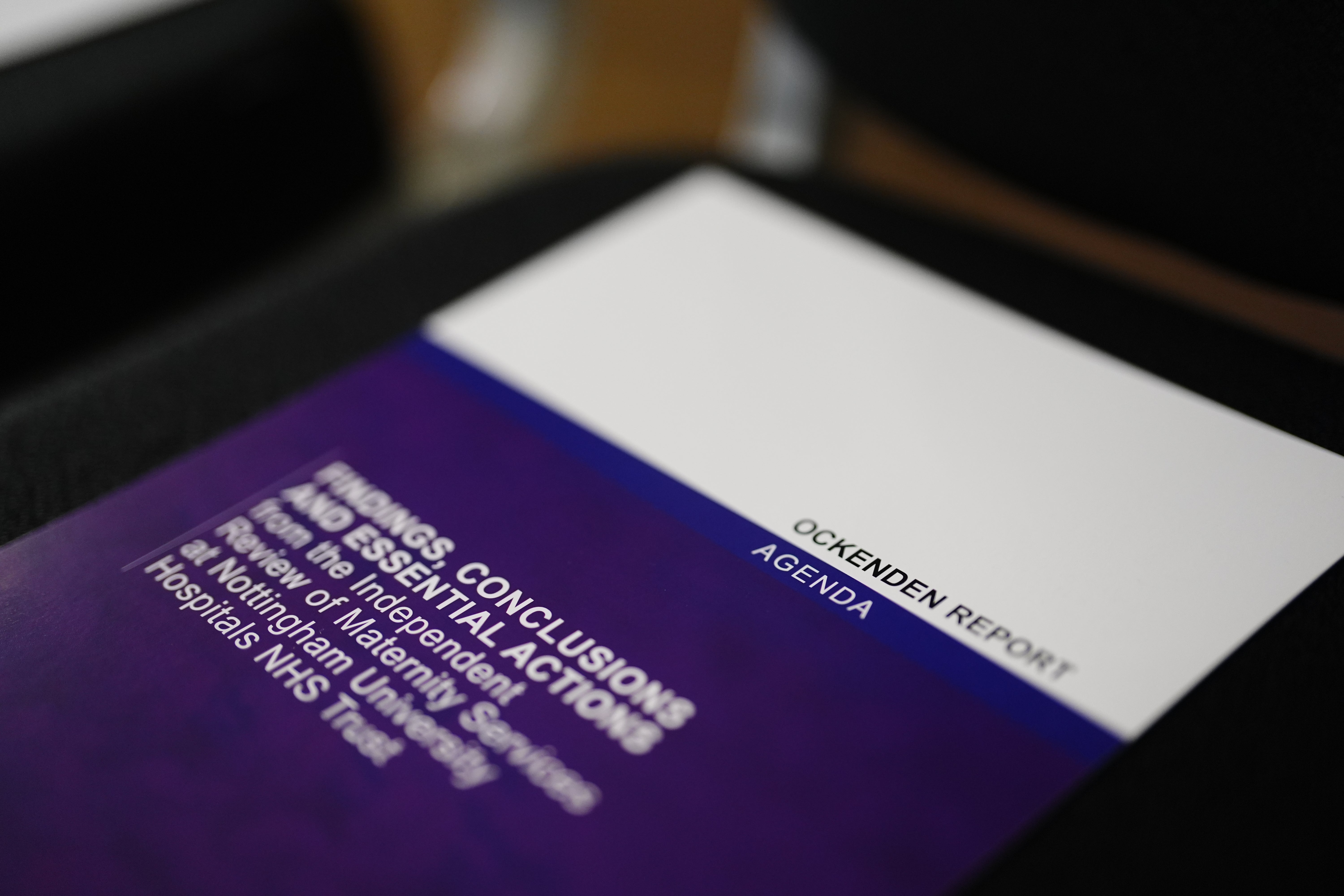
Some of the key findings of the review were that women and families were consistently not listened to which led to missed opportunities to prevent harm and there were failures to recognise and escalate deterioration in the health of babies and mothers.
Health Secretary James Murray said he met with families in Nottingham last week and heard about the “devastating loss” they suffered “often caused by horrendous care they received on the NHS”.
He added: “Donna Ockenden’s review lays bare a culture where too many voices went unheard, too many opportunities to prevent harm were missed and too many lives were lost. That’s why we have to take action, and quickly.
“No family should ever have to battle the system that is meant to care and protect them, that is why Martha’s Rule is so fundamental. It provides a way for a concerned mum or family member to raise the alarm before it is too late.
“I want families across the country to feel safe when they walk through the doors of their maternity settings. Today marks a step in achieving that – but this is just the beginning.”
What other checks are in place?
The DHSC also said there will be new tougher checks and measures on mortuaries to ensure the remains of children are treated with dignity and respect, and that past and present NHS staff who refuse to engage with upcoming maternity reviews will be compelled to give evidence.
Staff who deliberately withhold information about failures could face up to two years in prison, which is aimed at tackling the “culture of silence”, the DHSC said.
The Human Tissue Authority, the regulator of human tissue and organs, will require all mortuaries to review their internal records dating from 2015 to 2026 to ensure all incidents have been reported.
Michelle Welsh, the Government’s first Maternity Adviser, said the measures announced on Wednesday are “a positive step” in ensuring women’s experiences are at the centre of maternity care reform.
She added: “We owe it to every mother, baby and family affected by these failures to ensure that lessons are learned and that meaningful improvements are delivered across the NHS.”
Ms Ockenden said: “To every family who came forward, I want to say this: we have listened.
“It is my sincere hope that through this review you now feel as though your voices have been heard and what happened to you and your families has been recognised and will be acted upon.”
The recommendations from Ms Ockenden’s review to improve safety in maternity services across England include listening to women and families, the implementation of a robust workforce planning tool in perinatal services, and improvements to training.
Kate Brintworth, Chief Midwifery Officer for England, said: “We’ve introduced new national clinical standards which are helping prevent harm and ensure women get urgent maternity care more quickly, and local leaders and staff in Nottingham are working hard to address these failings.
“However, this report shows the scale of what still needs to change.”
