
15 Key Reasons Behind Kazakhstan’s Historic Parliamentary Elections
Written by Dr. Abdulrahim Abdulwahid
Astana – On 23 August 2026, Kazakhstan will hold the first elections to its newly established Kurultai, marking one of the most significant political milestones since the country adopted its new Constitution. More than an ordinary parliamentary vote, the elections represent the practical implementation of sweeping constitutional reforms designed to reshape the country’s governance, legislative institutions, and political system.
For both Kazakhstan and international observers, the significance of the Kurultai elections lies not only in who wins seats, but in what the institution itself represents. The vote will determine the composition of an entirely new legislative body that is expected to play a central role in the country’s future political and economic development.
The elections mark a fundamental shift in the nation’s political framework, and this first election under the revised constitution replaces the old bicameral parliament, streamlines governance, and strengthens executive accountability under the model of a “Strong President, Influential Kurultai, Accountable Government”.
The Kurultai elections are not simply another electoral event. They represent the beginning of a new constitutional era for Kazakhstan, combining political reform, institutional modernization, democratic development, and long-term economic strategy. Their outcome will influence not only the country’s legislative agenda but also Kazakhstan’s broader vision of becoming a modern, stable, and globally competitive state.
The Key Reasons Behind the Historic Vote
- The First Election Under Kazakhstan’s New Constitution: The Kurultai elections are the first national legislative elections held under Kazakhstan’s new constitutional framework, making them a landmark event in the country’s modern political history.
- Launching a New Legislative Institution: The elections will establish the first composition of the newly created Kurultai, a unicameral legislature that replaces the previous bicameral Parliament. This new institution will become the country’s principal legislative body.
- Turning Constitutional Reform into Reality: The elections represent the practical implementation of Kazakhstan’s constitutional reforms. They will demonstrate how the new constitutional system functions in practice rather than remaining only a legal framework.
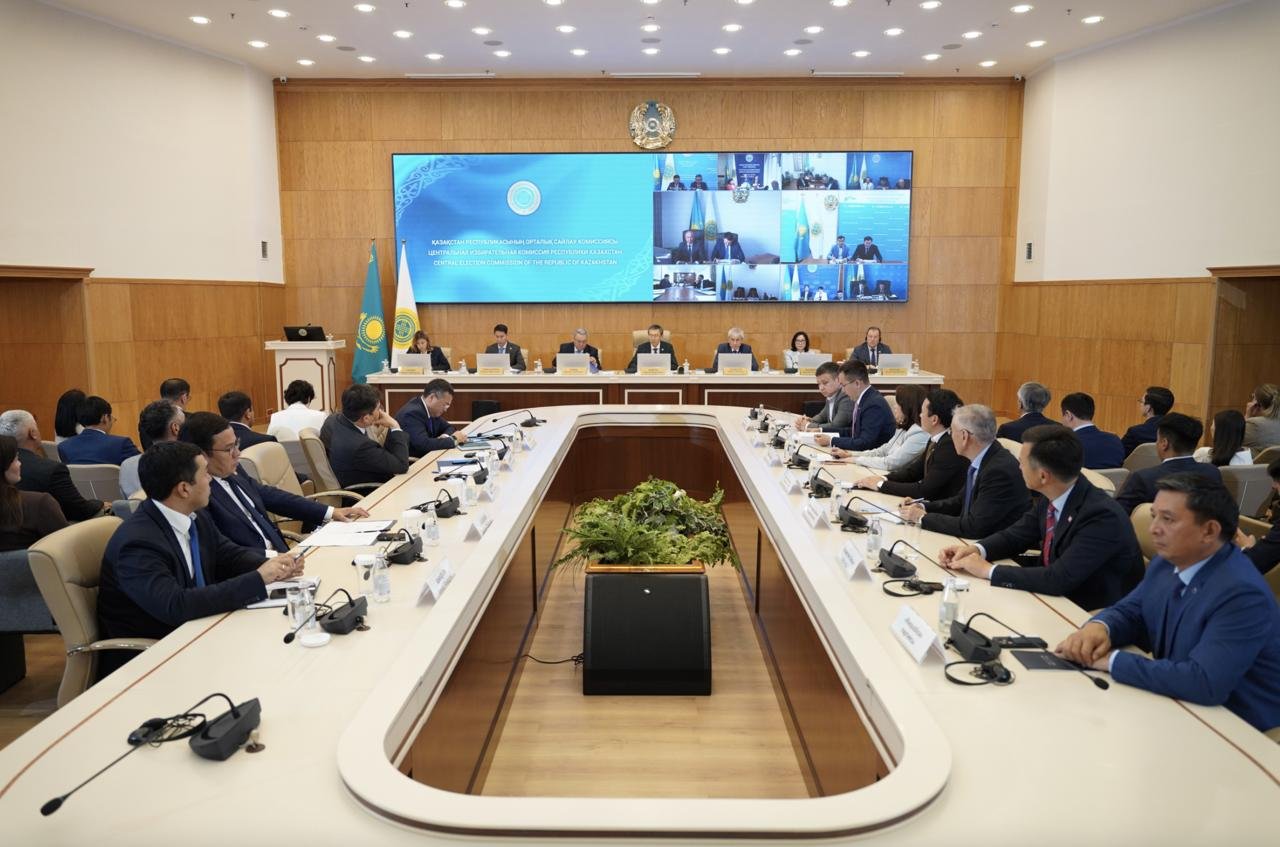
- Strengthening Democratic Institutions: By electing the first Kurultai, Kazakhstan aims to reinforce the legitimacy of its new representative institution and strengthen the country’s legislative and governance system.
- Shaping the Future of National Governance : The newly elected Kurultai will play a central role in debating legislation, approving major state appointments, overseeing government policy, and influencing the country’s governance for years to come.
- Supporting Long-Term Economic Development : The Kurultai will help shape legislation related to investment, taxation, innovation, digital transformation, education, artificial intelligence, environmental policy, and regional development—areas that are central to Kazakhstan’s long-term modernization strategy.
- Providing Political Stability for Investors: A functioning legislative institution operating under the new constitutional framework is expected to strengthen policy continuity, improve institutional predictability, and enhance investor confidence.
- Measuring Public Confidence in the Reform Process: Voter turnout and public participation will serve as important indicators of citizens’ support for Kazakhstan’s constitutional reforms and confidence in the country’s evolving political system.
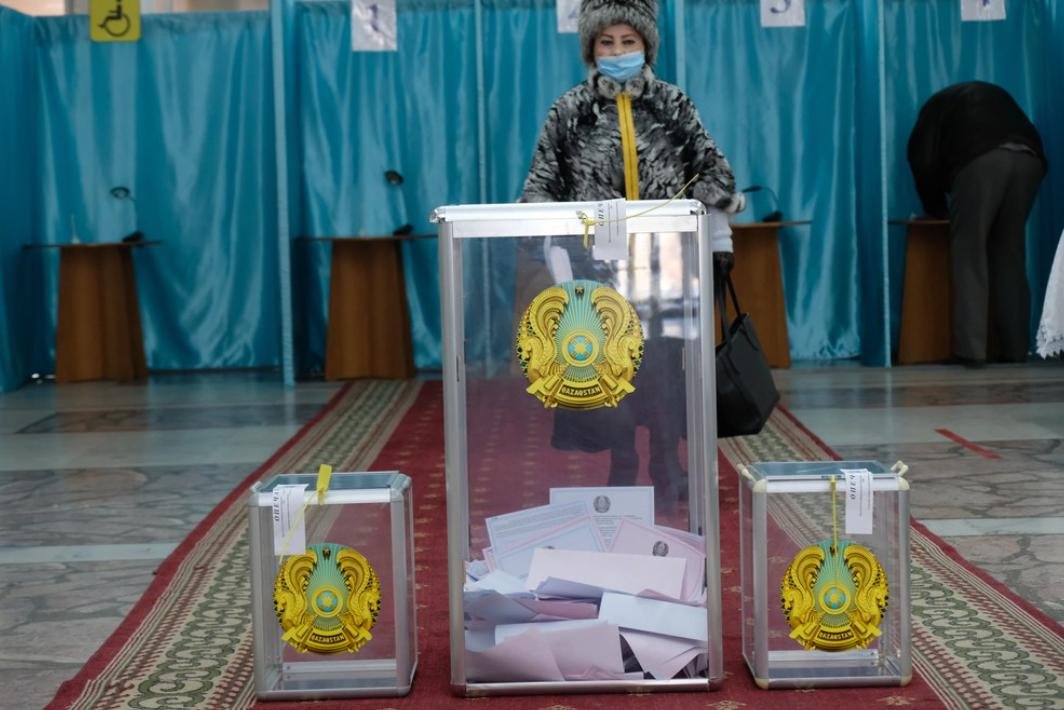
- Drawing International Attention: The elections will be closely monitored by international organizations, election observers, diplomatic missions, and global partners interested in Kazakhstan’s democratic development and regional stability.
- Reinforcing Kazakhstan’s Regional Leadership: As Central Asia’s largest economy and one of its most influential diplomatic actors, Kazakhstan’s political reforms carry significance beyond its borders, influencing regional cooperation, trade, investment, and security.
- Linking Tradition with Modern Governance: The name Kurultai reflects centuries-old Turkic traditions of collective decision-making. By adopting this historic institution within a modern constitutional framework, Kazakhstan combines cultural heritage with contemporary governance.
- Supporting National Modernization: The elections complement Kazakhstan’s broader reform agenda, which includes economic diversification, digital transformation, infrastructure development, public sector modernization, and technological innovation.
- Building a More Efficient Legislative System: The transition from a bicameral Parliament to a single-chamber legislature is intended to simplify the legislative process, improve institutional efficiency, and accelerate decision-making.
- Enhancing International Confidence: Successful implementation of the Kurultai elections could strengthen Kazakhstan’s reputation as a stable, reform-oriented country committed to institutional development and good governance.
- Defining Kazakhstan’s Political Future: Perhaps most importantly, these elections are about more than choosing representatives—they will determine how Kazakhstan’s new constitutional model operates and shape the country’s political, legislative, and institutional development for decades to come.
