
What is Rob Key’s masterplan for English cricket? It’s all in the lack of detail

There were plenty of lowlights from Rob Key’s media round this week as he attempted to gather up the Ashes debris and present it as coherent thought. A personal favourite was his awkward interview on BBC’s Test Match Special, during which Mark Chapman accused him of “management speak”, and after which Sir Alastair Cook called the entire conversation “weird” as soon as Key hung up the phone.
His interview with Nasser Hussain and Michael Atherton on Sky Sports wasn’t any more comfortable. Asked exactly what his leadership team had learnt from the Ashes, Key replied: “You go through to the point where, you know, you get to the end of the Ashes and you’ve already started to have a document you feel… or learnings, as it were, as much as anything else.” In fairness, that wasn’t management speak. It was barely even speak.
It is not an essential requirement of the director of men’s cricket at the ECB to be articulate in media interviews, although it probably helps. But it absolutely is a requirement to have a handle on exactly how you are going to make England a better cricket team. And at the end of hours of press coverage this week, it was hard to discern a clear plan.
What will change? Will players be elevated into the team purely on county form? Will batters be allowed to see off the new ball without playing a shot, encouraged to slow cook a partnership at the crease? Will reckless shots be allowed, or forgiven, or banned? Won’t new messaging be confusing for McCullum’s surviving core? The questions kept coming and the answers were not illuminating.
Key’s interviews were sometimes tangled in contradiction. He denied there was any kind of fearful thrall to McCullum among players and ECB staff. But later he admitted that the England players’ complaints about the hands-off environment inside the camp only came out after the Ashes, as part of the ECB’s winter review. If there was no fear of the leadership, then why weren’t players brave enough to raise their concerns at the time? Were they asked?
Of all the missteps over the winter, from drinking habits to an almost endless faith in failing players, preparation remains perhaps the most egregious issue for England fans. Go back to the months before England travelled to Australia for their victorious 2010-11 Ashes campaign, and head coach Andy Flower and captain Andrew Strauss arranged a series of lunches with past players to pick their brains about what it takes to win Down Under. Nuggets gleaned from those conversations formed the foundation of their plan for a winning tour.
Key played only one Ashes in Australia and McCullum never did, of course. Perhaps they might have benefitted from this kind of approach, but there is little evidence to suggest they pursued one. Their captain memorably called ex-England players “has-beens” before the first Ashes Test.
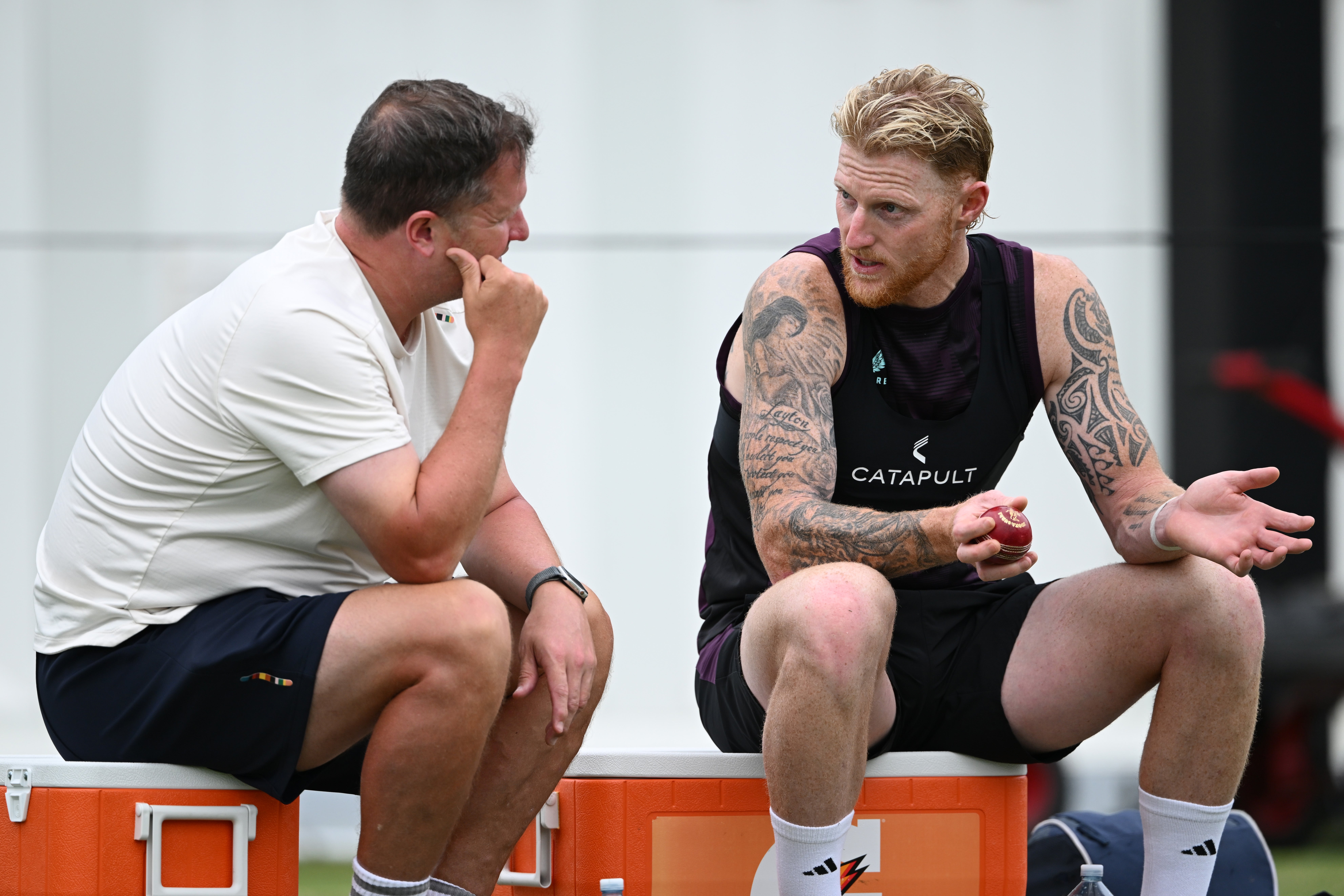
There was, Key insisted, some logic behind the lack of match practice for the series. It had worked on other tours under McCullum when England had enjoyed fast starts. They wanted the players to avoid their typical performance dip at the end of tours.
Fine, but is it helpful to peak at the end of an Ashes series in Australia, by which time England are usually 3-0 down and the urn has gone? There was not a single pundit or even passing cricket fan who would have recommended simply having a throw around among themselves at Lilac Hill before turning up to the first Test in Perth, in order to be fresh for the fifth Test in Sydney six weeks later.
That first Test was the Ashes. It was a chance to kick Australia when they were down, without Pat Cummins and Josh Hazlewood, with the local press still unconvinced about their ageing team’s chances. It was a chance to seize the momentum, the feels, the vibes. It was a chance to end the 15-year wait for a Test win in Australia. How Key and the rest of England’s leadership apparently couldn’t sense this is not just mystifying, it’s deeply troubling.
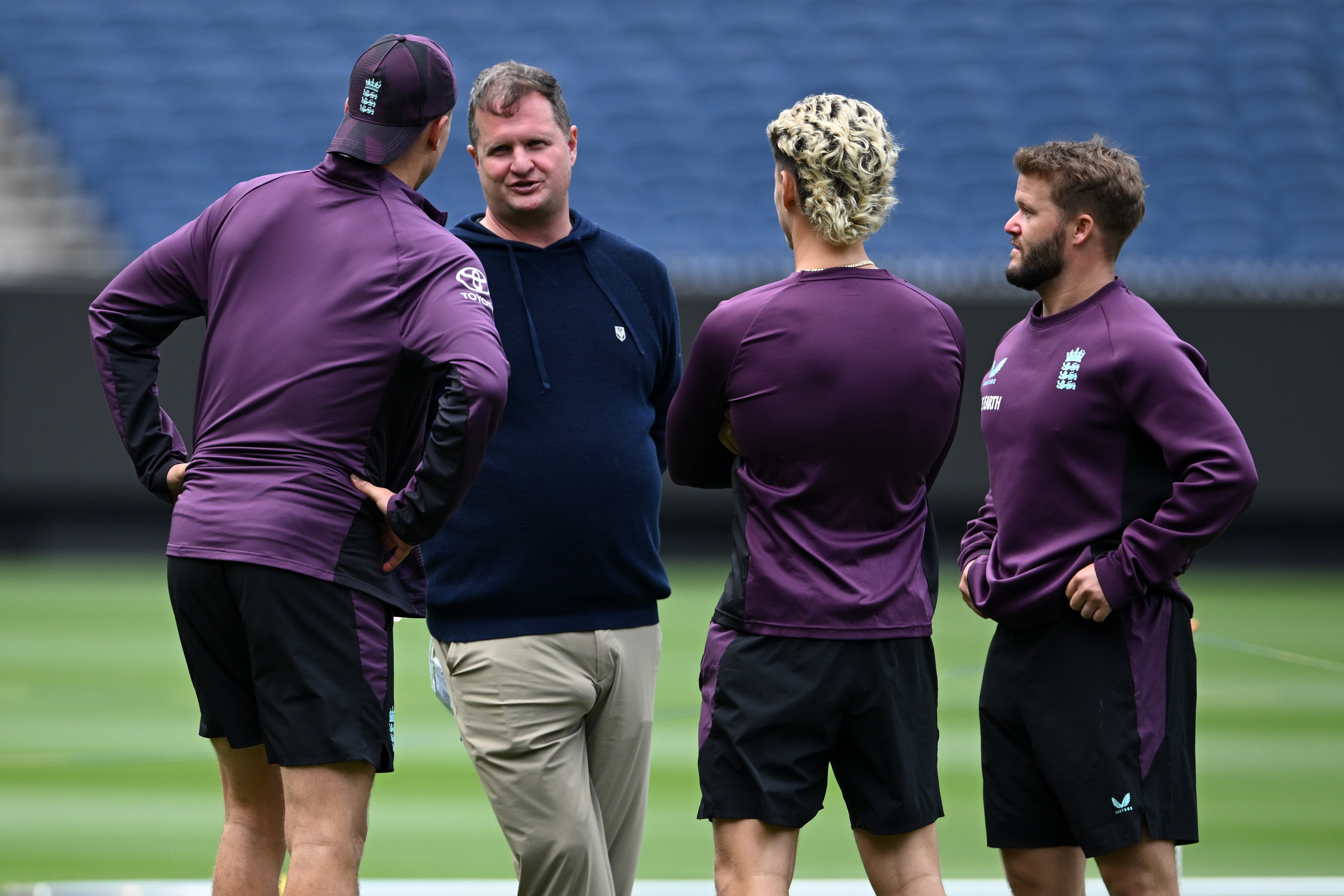
But after an investigation partly conducted by Key himself, the ECB has concluded the hierarchy should keep their jobs. Key and CEO Richard Gould spoke to “exterior people we trust” for their opinion on what went wrong, though when pressed, Key wouldn’t name them or explain what professional worlds these people were from.
Chapman was right about Key’s vague management speak. Combine it with McCullum’s backwards cap, the hands in the pockets, the sloth energy, and it paints a picture – friend first, boss second, probably an entertainer third.
McCullum’s informal approach has its merits in a high-pressure environment, but that does not need to be mutually exclusive from detailed preparation and a personal touch. “No one cares about you,” was Liam Livingstone’s damning assessment of the culture. England don’t necessarily need a disciplinarian, but they need order. Most players need structure and guidance and support and consequences. Bazball might suit a player like McCullum was, like Ben Stokes is, perhaps even a freakishly mature prodigy like Jacob Bethell. But there is not much evidence that his methods help develop the typical young English cricketer.
Key did admit mistakes were made. He insisted they will take learnings. But most of this stuff was basic. The drinking culture, the lack of skills work, the lack of fielding coach, no consistent bowling coach. To take hold of the ECB’s plentiful resources and create an amateurish environment is bordering on unforgivable.
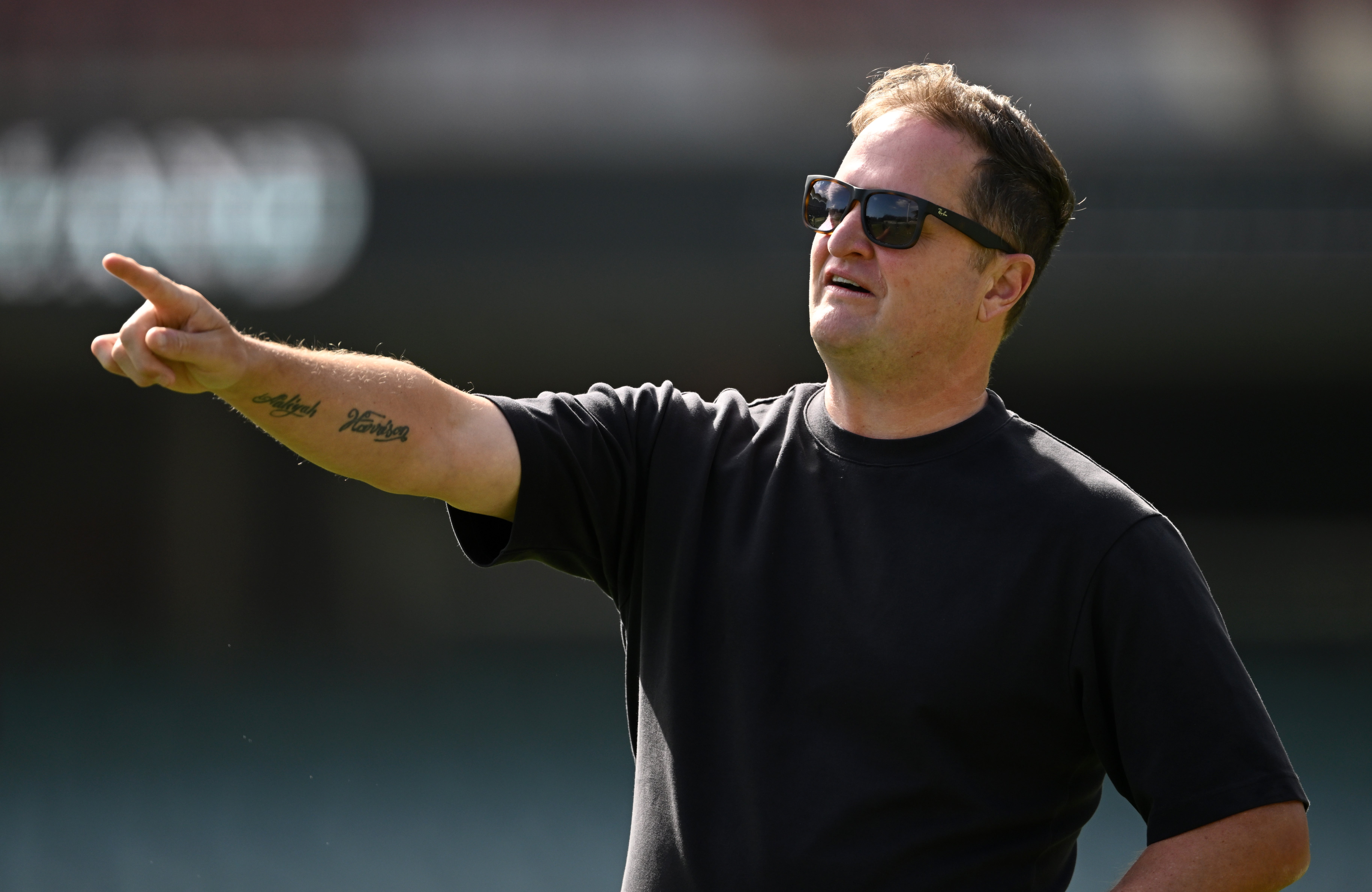
Perhaps this review is a new dawn. There is meant to be a reconnect with the counties. A Zoom call is scheduled between McCullum and the various directors of cricket on 30 March when he will lay out what he is looking for in England players. That in itself will be revealing. No one is quite sure what that requirement is now.
Maybe this offers hope to players who shine in the county game. It would mark quite a U-turn. Haseeb Hameed scored the second-most runs in the County Championship last season and captained Nottinghamshire to the title. Yet he told The Analyst podcast last week that he hadn’t heard from anyone in the England setup for two years.
Hameed is 29 and still retains hope that he might get another chance. But ultimately he is relying on a full-scale revision of how England operate, and that seems unlikely with Key, Stokes and McCullum in charge. The trio are destined to go on together, into the heat of another Ashes series next year. First come Pakistan and New Zealand. Sunglasses on, hats reversed, into the summer we ride.


