
British healthcare worker with Ebola arrives back in the UK

Want to bookmark your favourite articles and stories to read or reference later? Start your Independent Membership today.
Already a member?
Log in
A British healthcare worker who contracted Ebola in the Democratic Republic of the Congo (DRC) has arrived back in the UK for specialist treatment.
The patient is the first case involving a British national linked to the current outbreak in the country to test positive for the disease.
The BBC has reported that the man arrived at RAF Northolt and has been transported to a specialist infectious diseases unit at the Royal Free Hospital in north London.
A government spokesperson said that special procedures had been activated to deal with the positive case.
In a statement issued when the case was confirmed on Wednesday a spokesperson said: “A British citizen currently in the DRC has tested positive for Ebola. The UK has well-established procedures for dealing with cases like this, and those processes have been activated.
“Further information will be shared in due course as appropriate. The risk to the UK public from Ebola remains low.”

Only four confirmed cases have been recorded in Britain since 1976, according to the UK Health Security Agency. One, in 1976, resulted from a laboratory needle incident, and three involved health workers who were responding to an outbreak in West Africa between 2014 and 2015.
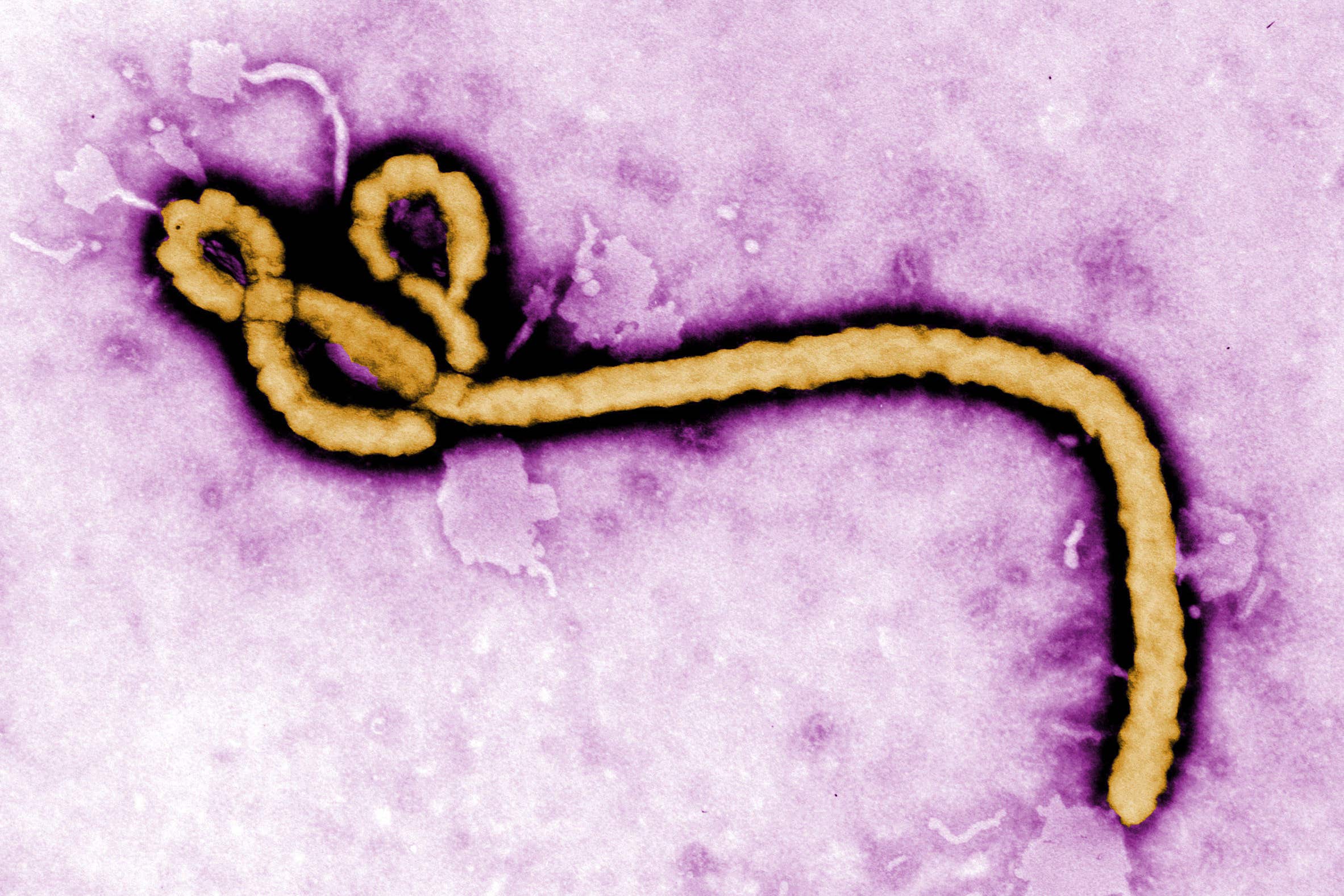
The new case is linked to the ongoing outbreak centred on the DRC caused by the Bundibugyo virus. So far, there have been more than 10,000 confirmed cases and more than 5,000 deaths, according to the World Health Organisation.
Ebola has a high fatality rate, with past outbreaks causing death in 25-90 per cent of infected people. People with the disease tend to fall ill two to 21 days after contact with an orthoebolavirus.
Early symptoms include fever, aches, pains, and fatigue, but they can then progress to diarrhoea, vomiting and unexplained bleeding.
The man is expected to stay in a high level isolation unit run by a dedicated team of doctors, nurses, and laboratory staff. At the Royal Free Hospital, one of the two hospitals set up to deal with Ebola, access to the isolation unit is restricted. It includes a special tent with controlled ventilation that still allows care to be provided by NHS staff.
All air leaving the unit is cleaned so there is no risk to anyone inside or outside of the hospital.
Experts have said the risk to the UK public remains low. Dr Damien Tully, an expert in infectious disease from the London School of Hygiene & Tropical Medicine, said: “The infection of a British healthcare worker with Ebola is deeply concerning, but it is not entirely unexpected.
“Healthcare workers are on the frontline of these outbreaks, often treating severely ill patients under extremely challenging conditions. Even with rigorous protective measures, accidental exposures can occur.
“This case is a stark reminder of the risks faced by those responding to the outbreak of Ebola disease caused by Bundibugyo virus in the DRC.
“However, it does not suggest that the virus has become more transmissible or that the threat to the UK has increased.
“Unlike respiratory viruses such as Covid-19 and influenza, that can spread through the air, Ebola is transmitted primarily through direct contact with infected bodily fluids, and people are not generally infectious until they develop symptoms.
“This means that identifying and isolating cases, together with appropriate infection prevention measures, can be highly effective in preventing onward transmission. For the UK public, the risk from this planned medical evacuation is extremely low.”
