
Football star died after 100 burpees—Now his coach faces criminal charges

The parents of a Bucknell University football player who died after collapsing during his first training camp said Tuesday they are grateful prosecutors have filed criminal charges against the strength coach who supervised the workout.
Calvin “CJ” Dickey Jr., an 18-year-old freshman, collapsed during a July 2024 conditioning session and died two days later.
Pennsylvania Attorney General Dave Sunday announced Monday that strength and conditioning coach Mark Kulbis has been charged with felony aggravated hazing and misdemeanor counts of involuntary manslaughter, reckless endangerment and hazing.
“We’re just glad that someone is being held responsible for our son’s death,” Calvin Dickey Sr. told The Associated Press. “We just want to see the process through, and we’re going to leave it to the attorney general to continue following the evidence.”
According to prosecutors, Kulbis ordered players to complete 100 “up-downs,” or burpees, along with full-body plank drills. Investigators allege the exercises were used as punishment after players failed to perform earlier drills correctly.
Dickey had the sickle cell trait, a condition that can increase the risk of serious injury or death during extreme physical exertion.
Kulbis’ attorney denied the allegations, saying her client was not responsible for Dickey’s death.
“While the death of Calvin Dickey is tragic, Mark Kulbis did not contribute to it and is not responsible for it,” attorney Barbara Zemlock said in a statement. She added that the conditioning program complied with the training and standards Kulbis had received.
The NCAA has required Division I athletes to be screened for the sickle cell trait since 2010 following several athlete deaths. The organization advises coaches to gradually increase training intensity and provide extra rest for athletes with the condition.
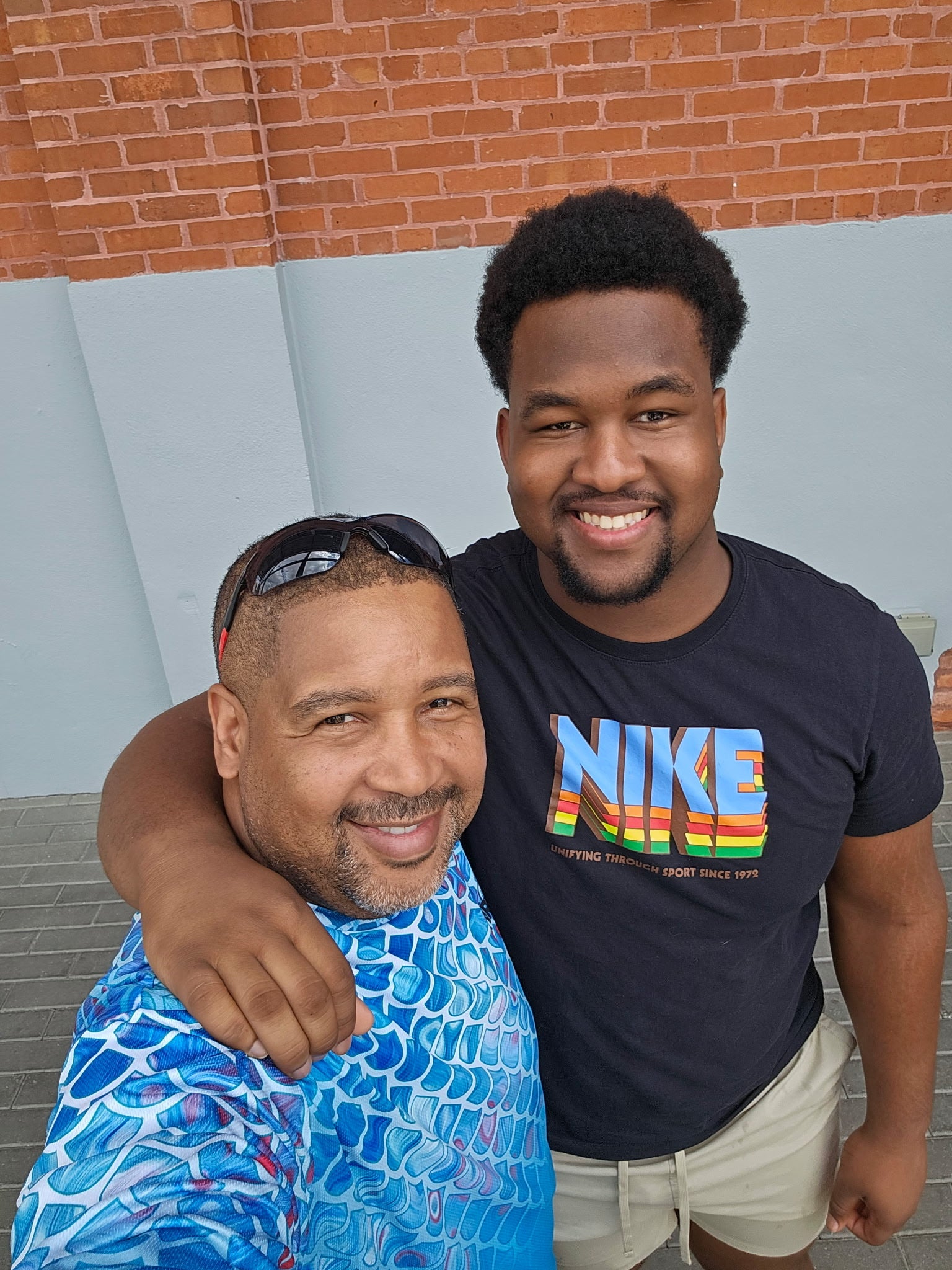
According to a federal lawsuit filed by Dickey’s family, they learned their son had the sickle cell trait only weeks before training camp through the NCAA’s mandatory screening process. His father said an assistant coach assured the family the condition would be taken into account.
Instead, the lawsuit alleges Dickey struggled through the conditioning session, collapsed during the punishment drills and was rushed to a hospital, where he died two days later.
Criminal charges against coaches in athlete deaths remain rare but are not unprecedented. Similar prosecutions have followed heat-related deaths during school athletic workouts in Georgia and Kentucky.
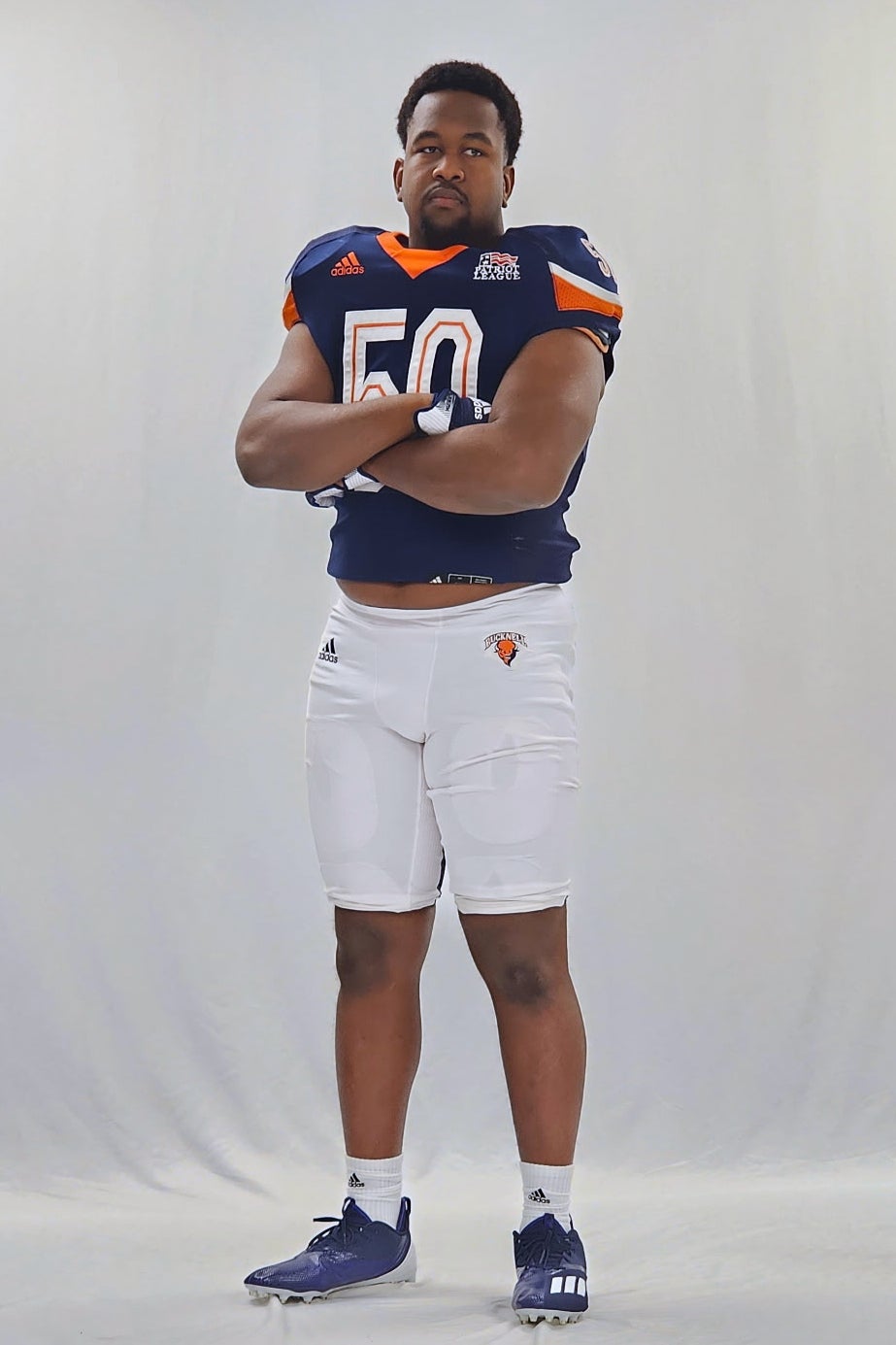
Dickey, a 6-foot-5, nearly 300-pound lineman from Florida, planned to use his football scholarship to pursue a career in pharmacy, his parents said.
Since his death, his family has launched a foundation to raise awareness of the sickle cell trait in athletes, provide scholarships and promote safer training practices for student-athletes.
“We want to protect the next generation and share what we’ve learned,” Nicole Dickey said.


