
It’s about to get a lot colder very quickly. Here’s how to stay safe

Want to bookmark your favourite articles and stories to read or reference later? Start your Independent Membership today.
Already a member?
Log in
It’s about to get a lot colder across the U.S., with forecasters projecting a 40-degree temperature drop for the East Coast this weekend.
Freeze warnings were issued across the central U.S. Friday, as a cold front shifts southward from Canada.
Cold is one of the nation’s top weather-related killers, leading to more than 1,000 deaths each year, per federal data.
Though the strengthening El Nino climate pattern is expected to bring above-average temperatures throughout the U.S. this winter, that doesn’t mean there won’t also be life-threatening lows.
Experts say people can protect themselves this year by staying indoors, being prepared and making informed decisions.
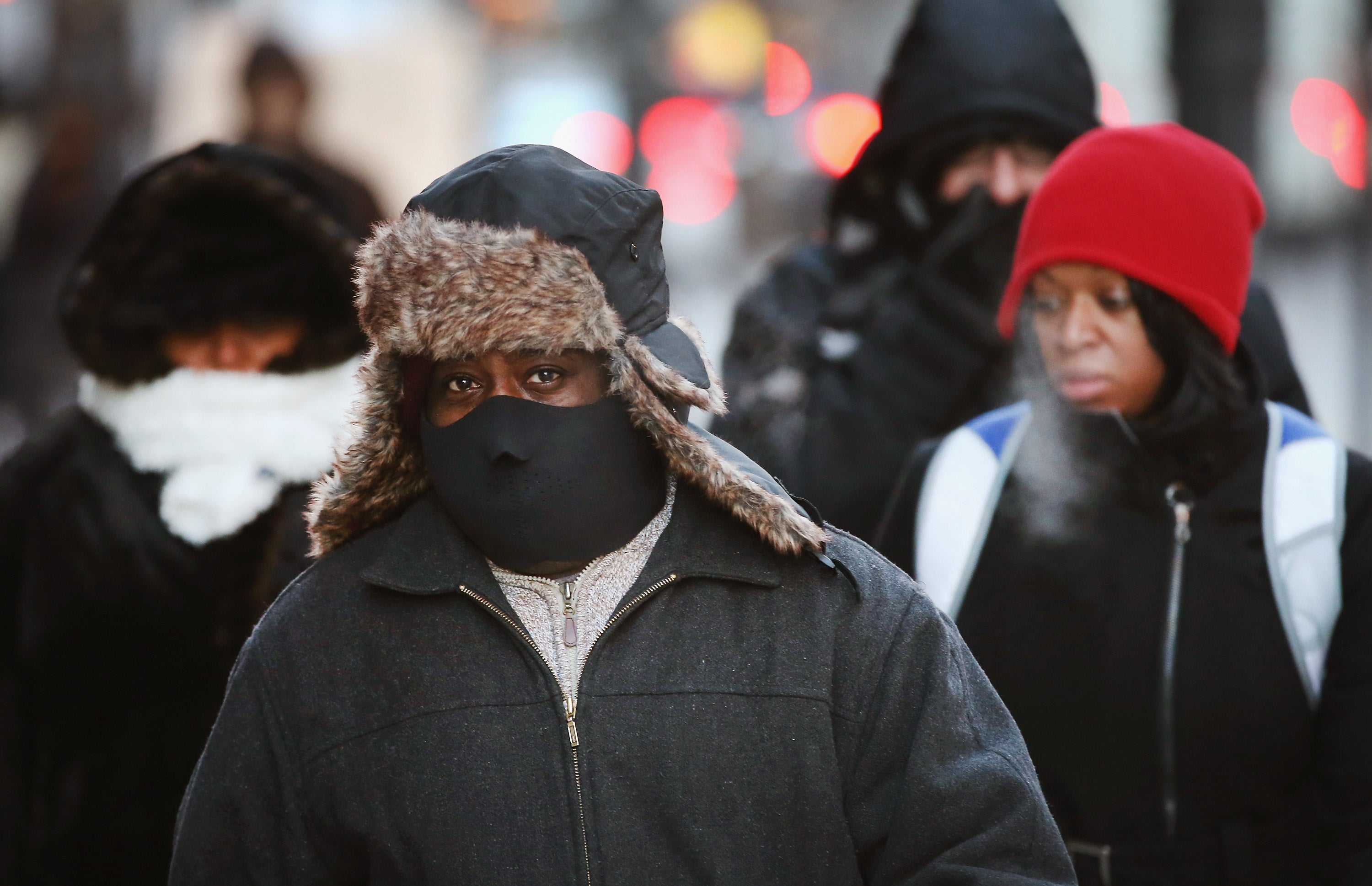
“Take weather warnings seriously,” Stephen Cheung, a professor of kinesiology at Canada’s Brock University, told The New York Times earlier this year. “You can still do most things safely – just plan ahead, be prepared, know the risks.”
What are the risks?
Being in the cold can lead to hypothermia and frostbite, as well as raise blood pressure in just 20 minutes.
Blood pressure is typically higher in the winter because low temperatures cause blood vessels to narrow, the Mayo Clinic says, with more pressure needed to force blood through veins and arteries. This raises the risk of cardiovascular events, such as heart attack and stroke.
The cold also increases the risk of hypothermia, a condition that occurs when core body temperature drops below 95 degrees Fahrenheit (35 degrees Celsius), affecting a person’s ability to think or move.
And frostbite is an injury that occurs when body tissue freezes in low temperatures, leading to tissue death known as gangrene – and even amputations.
How do you stay safe?
“To prevent hypothermia, follow Grandma’s advice,” instructs Dr. Jennah Morgan, an emergency medicine physician at The Ohio State University Wexner Medical Center. Bundle up – including a hat, scarf, gloves, a warm coat and warm and waterproof shoes.
And avoid going outside with wet hair or clothes, she says. It can make you feel a lot colder.
Make sure not to ignore shivering, too. It’s a sign that the body is losing heat and could be at risk, the New York Department of Health explains.
Much of the same advice works to stave off frostbite – but knowing the physical signs of the condition can help avoid a trip to the emergency room. In the first stages of frostbite, the skin is often red and painful before turning a grayish-yellow. Then, the area may start to feel waxy or numb.
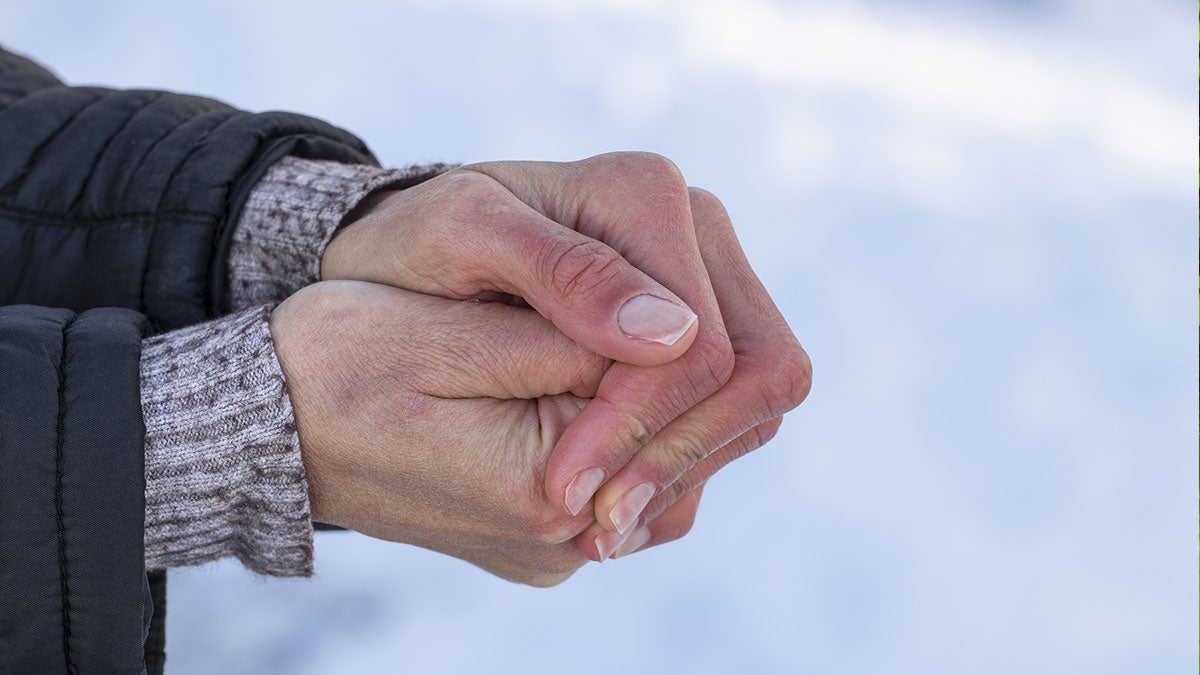
In the worst cases, the skin blisters and turns black as tissue dies. This is known as gangrene.
“In most cases, the person is unaware of frostbite because the frozen tissues are numb,” Johns Hopkins Medicine says. “The symptoms of frostbite may look like other health conditions or problems.”
Lastly, be sure to avoid smoking or drinking. People who drink alcohol or smoke are more sensitive to the cold because the substances make blood vessels narrow.
What if you are already cold?
People with hypothermia or frostbite should seek out medical attention immediately. But if you can’t access medical attention right away, there are several quick ways to warm up a bit.
Using heater packs and heated blankets and drinking hot, non-alcoholic beverages can help raise body temperature, according to the Centers for Disease Control and Prevention.
So does skin-to-skin contact under loose, dry layers of blankets, clothing, towels or sheets.
“After body temperature has increased, keep the person dry and wrap their body, including their head and neck, in a warm blanket,” the CDC says.
