
New Archaeological Discoveries of the Golden Horde in Kazakhstan
Written by Dr. Abdul Rahim Abdul Wahid
ASTANA — Kazakhstan is entering a new phase in its exploration of the history of the Golden Horde, as emerging archaeological discoveries and international academic cooperation offer deeper insights into one of the most influential political and cultural powers of medieval Eurasia, meanwhile President Kassym-Jomart Tokayev said that The Golden Horde as a Model of Steppe Civilization, History, Archaeology, Culture, and Identity,” of Kazakhstan.
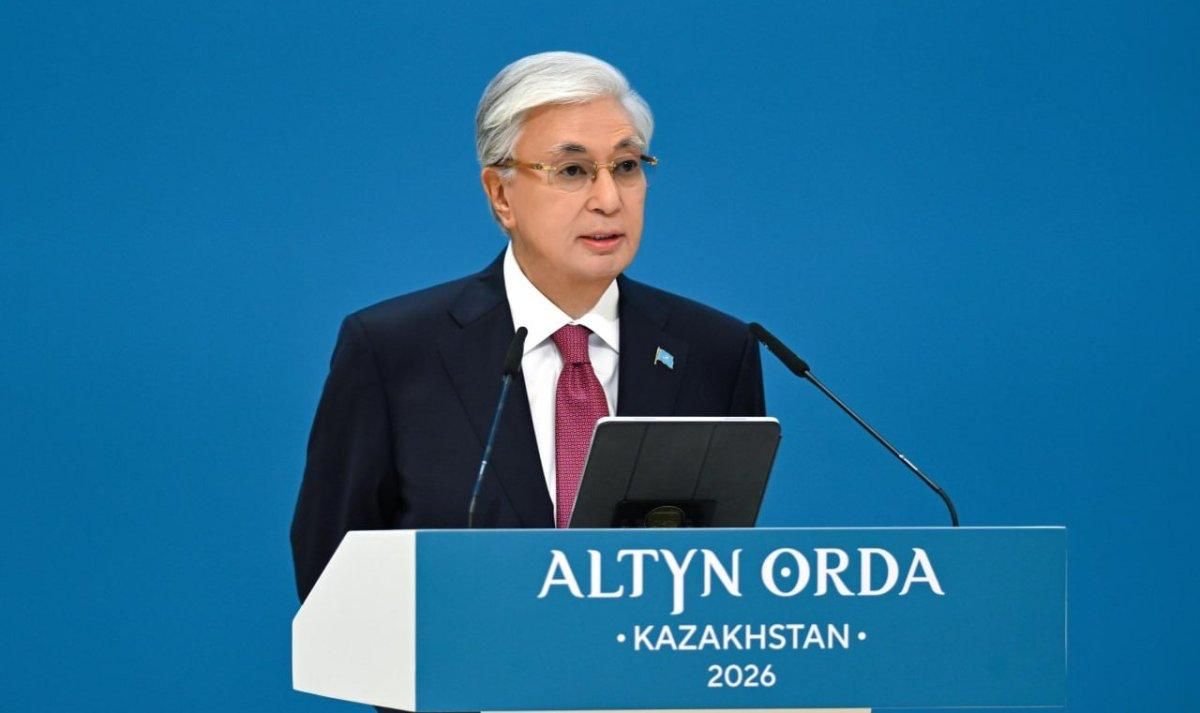
During the opening plenary session of the international symposium in Astana on 19 May 2026, President Tokayev delivered a major address outlining his vision of the Golden Horde’s place in Eurasian history and its connection to the historical development of the Kazakh state and national identity.
One of the most significant events related to this field took place in Astana on 19–20 May 2026, when the Kazakh capital hosted the international symposium entitled “The Golden Horde as a Model of Steppe Civilization: History, Archaeology, Culture, Identity,” under the patronage of UNESCO.
In the same time, recent archaeological discoveries in Pavlodar Region, alongside major international research initiatives in Astana and northern Kazakhstan, are bringing renewed attention to the economic, cultural and social history of the Golden Horde.
Archaeologists Announced
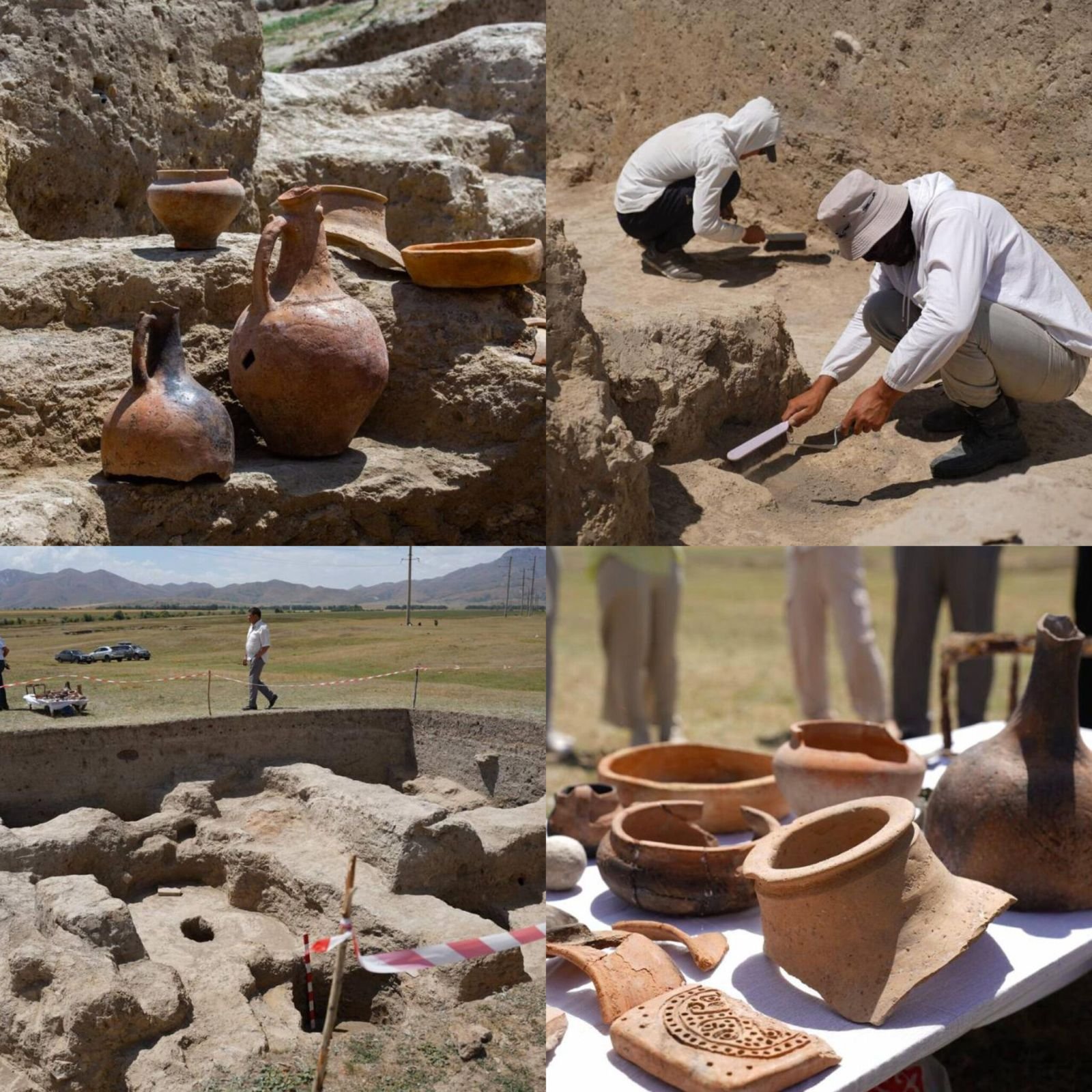
The latest development came on 28 October 2026, when archaeologists announced the discovery of evidence of iron production dating back to the Golden Horde period in the Bayanaul district of Pavlodar Region. The finding offers an important opportunity to investigate the everyday economic activities of medieval nomadic communities, moving beyond the traditional focus on rulers, military campaigns and major urban centres.
Researchers identified iron slag and traces of charcoal at settlements dating to that period. Radiocarbon dating, including laboratory tests conducted in Japan, confirmed that the materials belong to the medieval era. Specialists are continuing to examine the findings to establish how iron was produced, which raw materials were used, and what level of technological knowledge was available to communities living in the northeastern part of the Saryarka region.
According to archaeologist Ilya Merts, a researcher at the Alkey Margulan Joint Archaeological Research Centre, the discovery helps address an important gap in the historical understanding of the region. While previous investigations have largely concentrated on burial and memorial complexes, settlements and the productive activities of ordinary nomadic communities have received considerably less attention.
The findings could help reconstruct a more comprehensive picture of life during the Golden Horde period, including how local resources were exploited, tools were manufactured and everyday needs were met. They also highlight the importance of examining the economic foundations that sustained medieval steppe societies.
A Broader Archaeological Picture
The Bayanaul discovery forms part of a wider effort by Kazakhstan to investigate the presence of the Golden Horde across territories that today lie within the country’s borders.
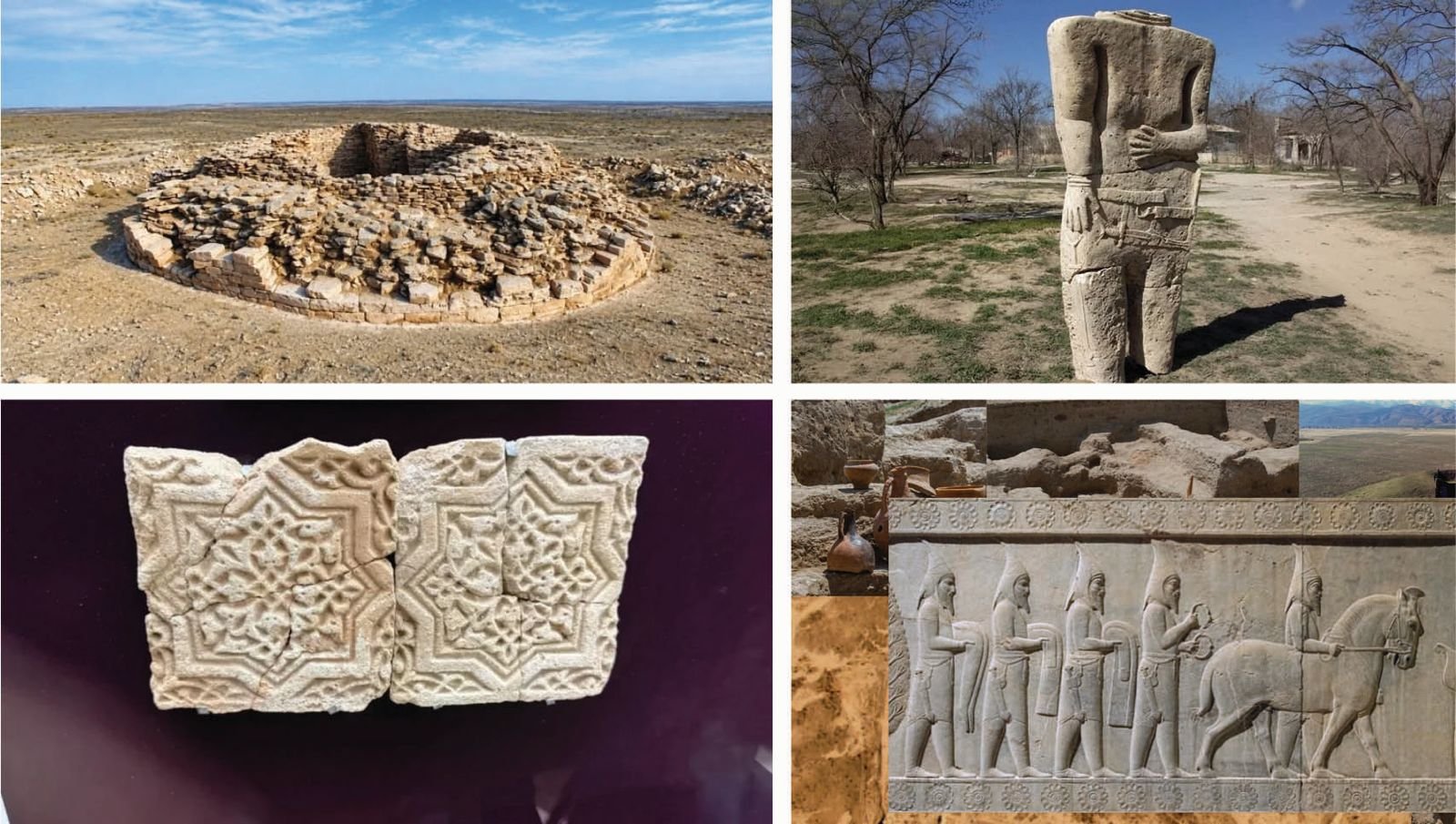
In July 2026, archaeologists announced new findings from northern Kazakhstan following fieldwork in the Zhantai tract and surrounding areas of the Irtysh River basin. The expedition examined sites near Lake Kyzylkak and the valleys of the Olenti, Shiderty and Sileti rivers. Among the discoveries were fragments of fired bricks believed to have belonged to a substantial architectural structure.
Researchers noted that the bricks, measuring approximately 25 by 25 centimetres, correspond to dimensions associated with construction materials used during the Golden Horde period. The team also employed modern technologies, including LiDAR and ground-penetrating radar, to identify and investigate archaeological features beneath the surface.
These technologies are opening new possibilities for archaeological research, enabling specialists to detect potential structures and settlement patterns before proceeding to more extensive excavation and detailed investigation.
In September 2026, northern Kazakhstan attracted further academic attention when Kozybayev University organised an international roundtable entitled Northern Kazakhstan within the System of Steppe Communications during the Golden Horde Period. Researchers from Kazakhstan, Russia, the United States and Türkiye discussed the region’s historical role in the political, commercial and cultural networks of the medieval steppe.
The discussions highlighted the importance of viewing northern Kazakhstan not as a remote or peripheral territory, but as part of a wider Eurasian space connected through networks of movement, exchange and communication. Researchers also examined archaeological evidence from sites including Kyzyl-Oba and Ak-Iriy.
Astana Places the Golden Horde on the International Research Agenda
One of the most significant events related to this field took place in Astana on 19–20 May 2026, when the capital hosted the international symposium The Golden Horde as a Model of Steppe Civilization: History, Archaeology, Culture and Identity, under the patronage of the United Nations Educational, Scientific and Cultural Organization (UNESCO).
The symposium was opened with the participation of Kazakhstan’s President Kassym-Jomart Tokayev and brought together more than 350 delegates from over 20 countries, including historians, archaeologists, specialists in Oriental and Turkic studies, researchers and cultural heritage experts.
The symposium examined the political, economic, cultural and spiritual dimensions of the Jochi Ulus, the historical entity widely known as the Golden Horde. Its discussions reflected growing interest in understanding this state not merely as a medieval political power, but as a major centre of civilizational interaction across Central Eurasia.
70 archaeological monuments
A major feature of the event was a specialised exhibition presenting archaeological artefacts, historical documents and cultural materials associated with the period. An interactive map highlighted 70 archaeological and architectural monuments, 17 of which were accompanied by detailed descriptions, aerial photographs and three-dimensional visualisations.
The exhibition also included coins, manuscripts, diplomatic correspondence, historical decrees and genealogical documents relating to ruling dynasties. Prominent historical sites, including Saraishyq, Syganak and Barshynkent, were also featured, illustrating the geographical and cultural breadth of the Golden Horde’s legacy in the region.
One of the symposium’s key outcomes was the adoption of the Astana Declaration on the Heritage of the Golden Horde, which aims to encourage international scientific cooperation, strengthen ties between research institutions and support further specialised studies of the historical legacy of the Jochi Ulus.
The significance of the international symposium extended beyond academic discussions and archaeological discoveries. It also provided an opportunity for President Tokayev to present his vision of the Golden Horde’s place in Eurasian history and its connection to the formation of the modern Kazakh state and national identity.
In his address, Tokayev emphasised the need to reassess the history of the Golden Horde through objective academic research, free from politicisation and preconceived judgments. He called for stronger cooperation among historians, researchers and academic institutions across different countries to develop a more balanced and comprehensive understanding of the civilisations of the Great Steppe.
In this context, the Kazakh president challenged historical interpretations that reduced nomadic empires to their military strength and territorial conquests. He stressed that the Golden Horde was not merely a military power that exercised influence over vast territories, but a sophisticated political entity with governing institutions, legal systems, diplomatic mechanisms and commercial networks, as well as models of coexistence among different ethnic and religious communities.
As Tokayev stated in his address:“Today, no historian questions the power of the Golden Horde, an empire that ruled the Great Steppe and spanned the vast expanses of Eurasia… The empire, which connected East and West and significantly influenced the development of civilisations and state formation, was one of the largest political entities in history.”
Tokayev also pointed out that, at the height of its power, the Jochi Ulus covered an area of more than six million square kilometres and encompassed approximately one hundred cities. The Jochid dynasty ruled for more than six centuries, reflecting the scale of its influence and its enduring presence in the political history of Eurasia.
He further emphasised that the legacy of the Great Steppe extended beyond political and military achievements to include intellectual, spiritual and cultural contributions that profoundly shaped the region. In this regard, he referred to prominent figures such as Al-Farabi and Khoja Ahmed Yasawi, whose intellectual and spiritual influence left a lasting mark on the history of Central Asia.
Addressing the relationship between the past and the present, Tokayev presented Kazakhstan as a historical successor to the legacy of the Golden Horde, stressing the importance of recognising this historical depth when examining the development of the Kazakh state and its national identity. This vision forms part of a broader effort to restore the historical significance of the Great Steppe and highlight its role in shaping the political and civilizational development of the region.
These remarks take on additional significance in light of Kazakhstan’s ongoing archaeological and research initiatives. The country increasingly views the history of the Golden Horde not simply as a distant past, but as an integral part of its historical and cultural memory—one that deserves further study, documentation and preservation within an international framework of academic cooperation.
Preserving the Material Evidence of History
Alongside major conferences and archaeological investigations, Kazakhstan is continuing its efforts to preserve and present artefacts associated with the Golden Horde period.
In May 2026, a ceremonial women’s robe dating to the Golden Horde era, discovered at the Bolgan Ana Mausoleum, was restored and transferred to the National Museum of Kazakhstan. The garment represents an important material source for the study of medieval clothing, craftsmanship and social traditions.
Discoveries of this kind are particularly valuable because textiles and personal belongings can reveal aspects of everyday life that are often absent from written historical accounts. They also enable researchers to investigate clothing traditions, artistic techniques, trade connections and the cultural identities of communities that inhabited the steppe.
Ongoing research at Saraishyq represents another important dimension of these efforts. The historic settlement was one of the significant urban centres associated with the Golden Horde and subsequent historical periods. It continues to attract scholarly attention through a comprehensive research project involving the Saraishyq Museum-Reserve and the Jochi Ulus Research Institute.
The project aims to deepen understanding of the settlement’s history and development through archaeological excavations and the scientific examination of its historical features.
A Legacy Beyond National Borders
The renewed interest in the Golden Horde reflects a broader effort in Kazakhstan to explore the historical foundations of the Great Steppe and understand the development of political and cultural formations across Central Asia and Eurasia during the medieval period.
The Golden Horde emerged in the thirteenth century as one of the major political entities originating from the western territories of the Mongol Empire. It subsequently developed into an influential power connecting vast areas of the Eurasian steppe. Its history was shaped by complex relations between nomadic and settled communities, commercial networks, religious traditions and diplomatic contacts with neighbouring states.
For Kazakhstan, the study of the Jochi Ulus is closely connected with the examination of historical continuity in the region and the development of later political formations, including the Kazakh Khanate. Nevertheless, the historical significance of the Golden Horde cannot be confined within the geographical borders of any single modern state. Its legacy is shared by several peoples and countries whose political, cultural and economic trajectories were shaped by the networks of the medieval steppe.
The latest archaeological discoveries underline the importance of continuing research into this history. Evidence of iron production in Bayanaul, architectural remains in northern Kazakhstan, historical documents presented in Astana and restored artefacts from burial sites are all adding new dimensions to the historical record of the Golden Horde.
The challenge ahead is to connect these discoveries through rigorous scientific research, responsible preservation of archaeological sites and artefacts, and stronger international cooperation among specialised institutions.
As excavations and scholarly investigations continue, Kazakhstan is contributing to a deeper understanding of the Golden Horde—not merely as an empire associated with khans and armies, but as a complex civilisation shaped by technology, trade, craftsmanship and the everyday lives of the people who inhabited the Great Steppe.
