
12.6 million Kazakhs head to the Polls to Elect the First Kurultai Under the New Constitution
Written by Dr. Abdulrahim Abdulwahid
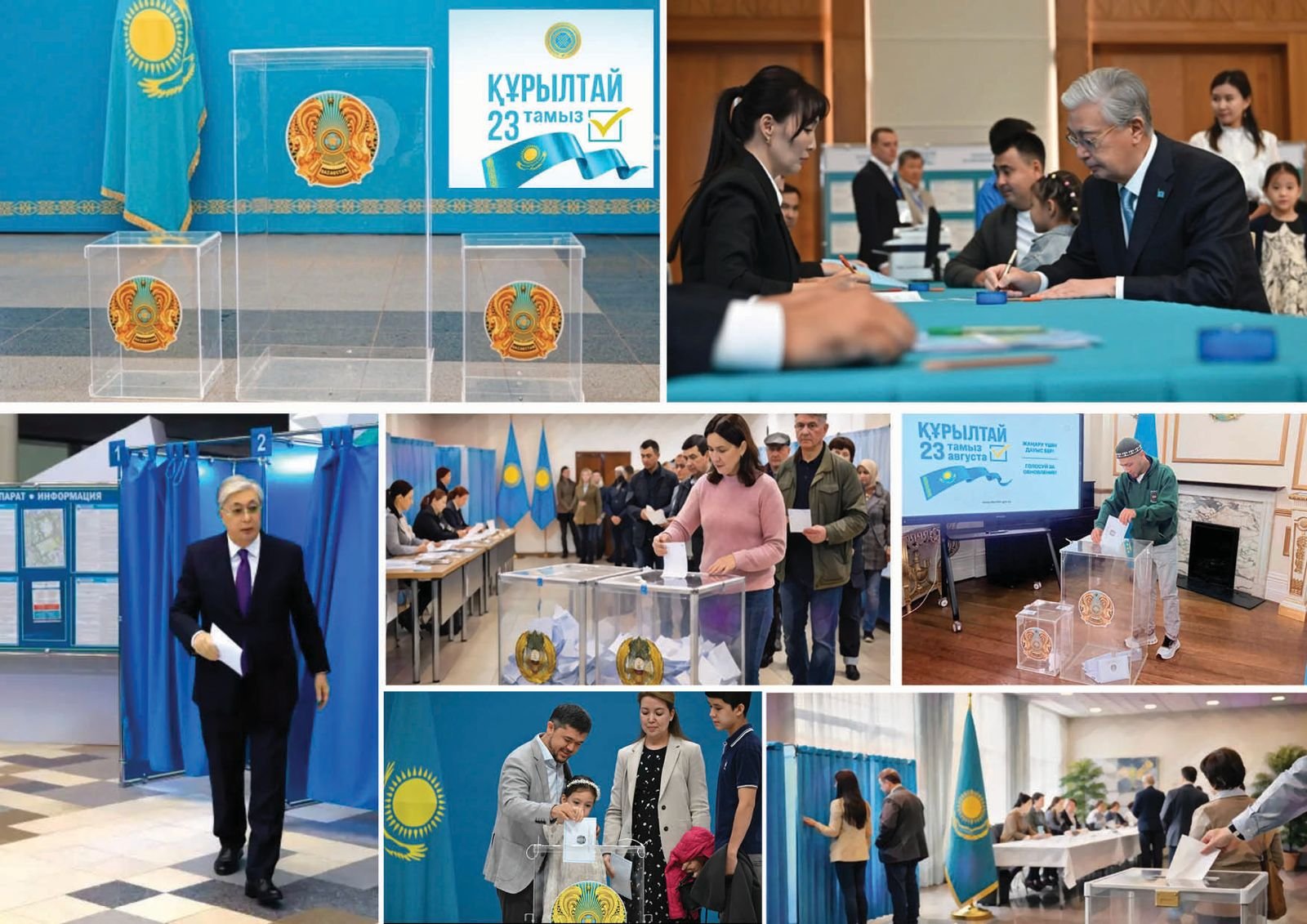
ASTANA, August 23 — More than 12.6 million registered voters across Kazakhstan headed to polling stations today 23 August to elect the country’s first 145-member Kurultai, with seven political parties competing for seats in the new unicameral legislature. The vote marks the inaugural parliamentary election under Kazakhstan’s new Constitution and one of the most significant political milestones since the country gained independence.
Polling stations opened at 7:00 a.m. local time and will remain open until 8:00 p.m. Voters are choosing among seven registered party lists contesting all 145 seats in the Kurultai under a nationwide closed-list proportional representation system, with political parties required to secure at least 5% of the valid vote to gain parliamentary representation.
Voting continues abroad Polling stations for the Kurultai elections are operating now in more than 40 countries, allowing Kazakhstan citizens abroad to participate in the vote. The election will elect 145 members of Kazakhstan’s new unicameral Parliament.
Voter turnout
The Central Election Commission (CEC) announce that voter turnout in Kazakhstan’s first elections to the Kurultai reached 37.05% as of noon on Today Aug. 23, with 4,670,816 voters having received ballots.
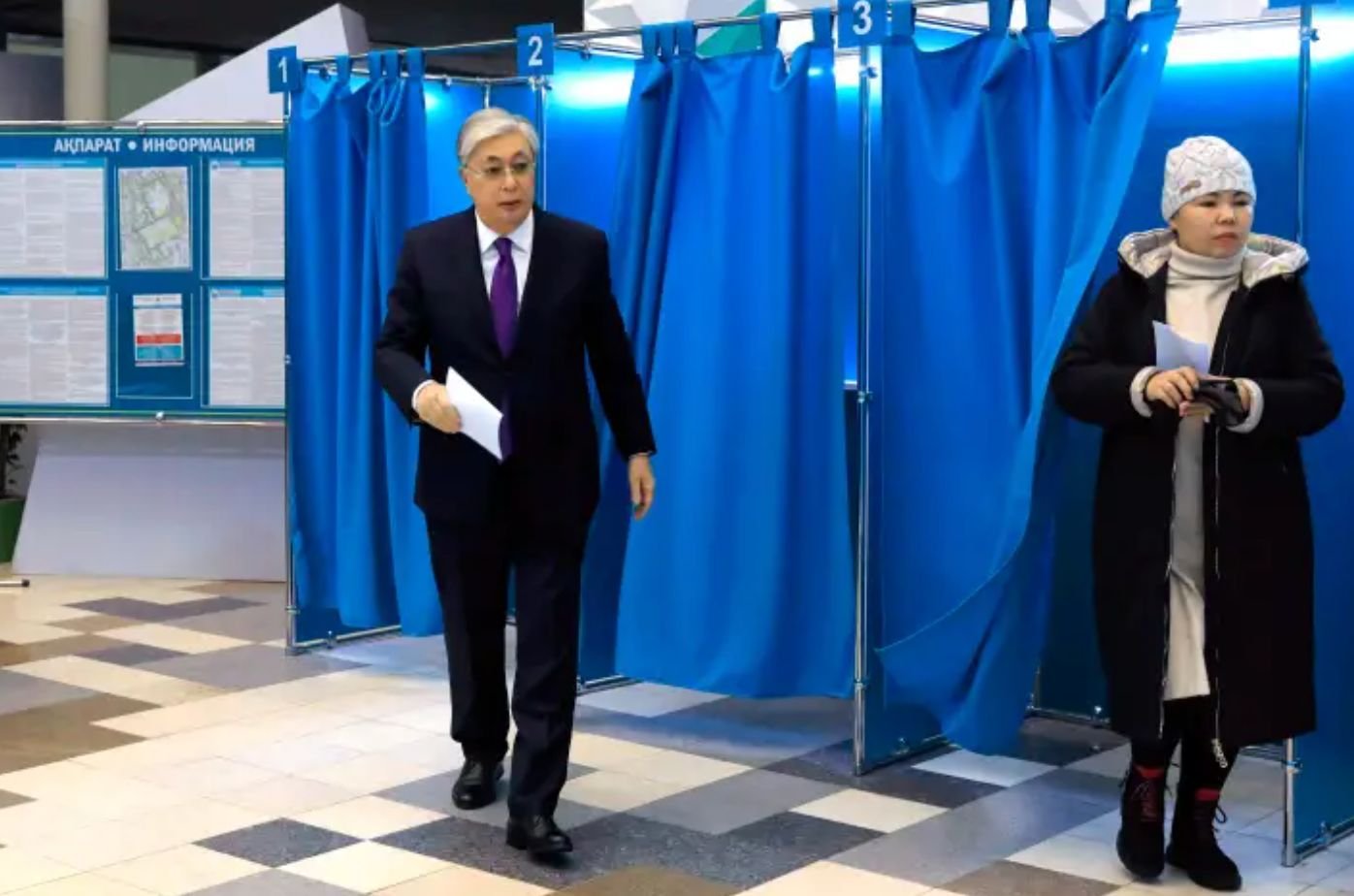
President Tokayev cast his ballot at polling station No. 520, and Kyzylorda Region recorded the highest turnout at 47.59%, followed by Zhetisu Region at 47.29% and Turkistan Region at 43.14%. Turnout in the Aktobe Region stood at 42.5%, East Kazakhstan at 41.89%, Shymkent at 41.6% and the Karagandy Region at 40.56%. The lowest turnout was recorded in Almaty at 17.87%. Other regions with turnout below 35% included the Mangystau Region at 34.68% and the Kostanai Region at 34.72%. Turnout in Astana reached 35.28%, while the Almaty Region recorded 39.05% and the Abai Region 38.51%.
Tokayev’ ballot
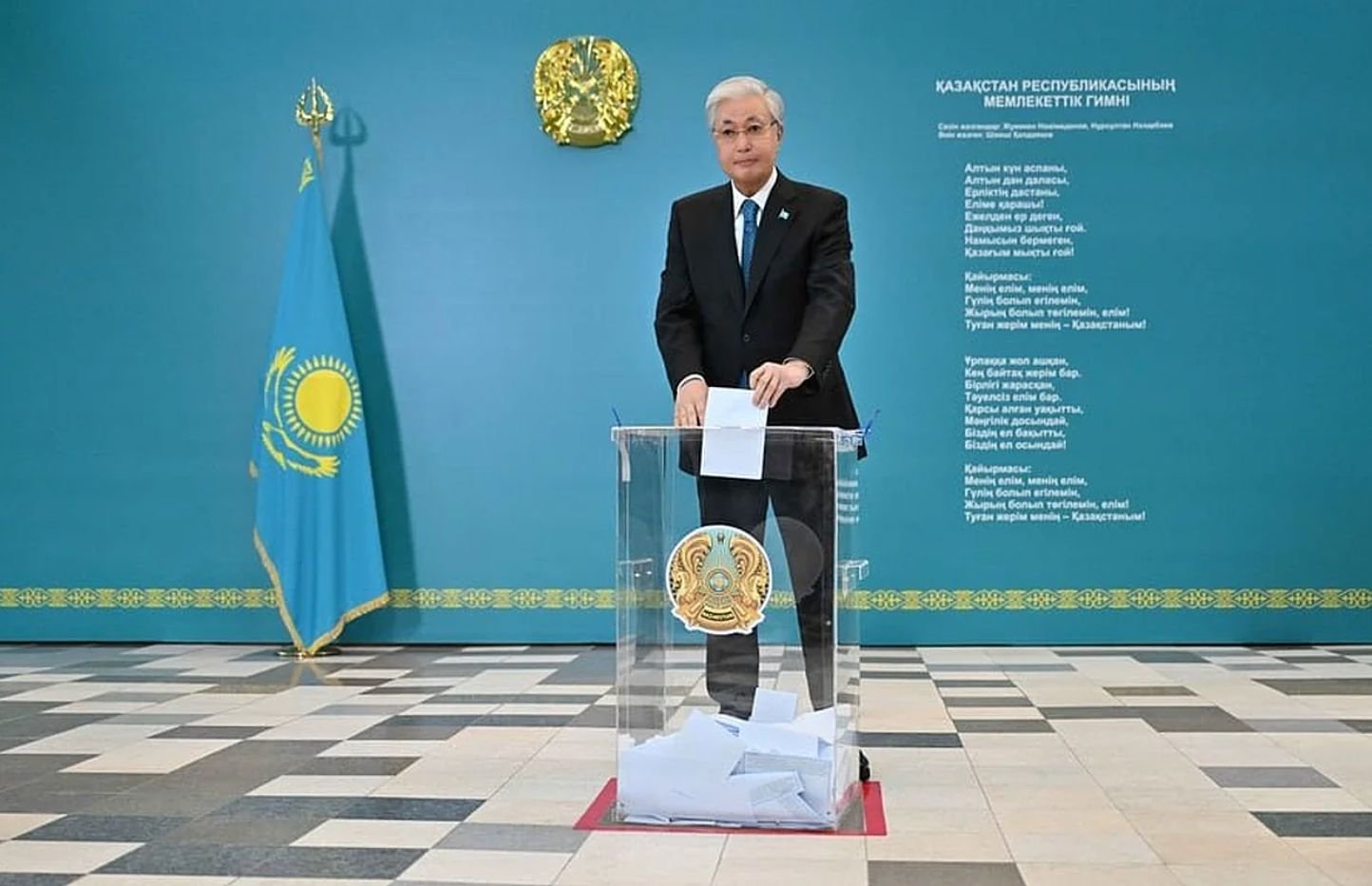
President Tokayev cast his ballot at polling station No. 520, located at the Palace of Independence in Astana and he described the election during press conference as a significant milestone for Kazakhstan, and said: “Today is truly a historic day for our country. For the first time, we are holding elections to a unicameral Kurultai. This is an important historical event,” Tokayev said. He noted that Kazakhstan has carried out large-scale reforms and achieved significant results, while emphasizing that substantial work remains.
Campaign Preparations Completed
Local authorities designated more than 8,000 official campaign locations for political advertising and approximately 4,500 venues for meetings between political parties and voters.
The seven parties contesting the election are the Adilet Party, Nationwide Social Democratic Party, Kazakhstan Green Party “Baitaq”, People’s Party of Kazakhstan, Auyl Party, Aq Zhol Democratic Party, and the Respublica Party. Together, they have fielded 545 candidates in the country’s first election under the new constitutional framework.
The election formally completes Kazakhstan’s constitutional transition from the former bicameral Parliament—the Mazhilis and Senate—to the newly established Kurultai, a reform endorsed by voters during the constitutional referendum earlier this year. The new legislature will consist of 145 deputies, each serving a five-year term, and will exercise legislative authority, approve the national budget, oversee government performance and consider key presidential appointments.
Widely regarded as a defining moment in Kazakhstan’s political evolution, the election is expected to serve as the first practical implementation of President Kassym-Jomart Tokayev’s constitutional reform agenda, which aims to strengthen democratic institutions, expand public participation in governance and modernize the country’s political system while preserving stability.
International Observers
The election is being monitored by an extensive international observation mission. Representatives from major international organizations and foreign countries are observing polling procedures across Kazakhstan, including delegations from the OSCE Office for Democratic Institutions and Human Rights (ODIHR), the Commonwealth of Independent States (CIS), the Parliamentary Assembly of the Council of Europe, the Organization of Turkic States, the Shanghai Cooperation Organisation (SCO) and other international bodies, reflecting Kazakhstan’s commitment to conducting the election in accordance with international standards.
Tokayev’s Vision
Tokayev Urges Kazakh Citizens to Vote in ‘Historic’ Kurultai Elections
and described Kazakhstan’s first elections to the new unicameral Kurultai as a historic event and called on citizens, particularly young people, to take part in the Today vote.
Addressing the nation Yesterday, Tokayev said the election campaign had been substantive, open and competitive, with political parties using televised debates, meetings with voters, media outlets and social networks to present their programmes and engage with the public.
“Without a doubt, these elections will be remembered as perhaps the most interesting in the history of our country,” Tokayev said.
The President highlighted the emergence of new political figures and ideas during the campaign, as well as the active participation of young people, professionals and entrepreneurs. He said this reflected Kazakhstan’s broader efforts to strengthen political culture and expand citizens’ involvement in public administration.
Tokayev also said the campaign had demonstrated a growing focus on development and progress, rather than political competition alone. He described the Kurultai election as the beginning of a new stage of reforms following the entry into force of the new Constitution.
According to the President, the new legislature should become a platform bringing together constructive ideas and aspirations from across society and contribute to the country’s continued modernization.
“The new legislative body should become a common platform for constructive views and aspirations. The Kurultai will set a high pace for the further modernization of the country,” he said.
He said the country has entered “a new historical stage” requiring stronger institutions, greater transparency and broader citizen participation in public affairs.
According to Tokayev, constitutional reform is not merely a legal exercise but a comprehensive national modernization project aimed at creating a more effective, accountable and future-oriented state while safeguarding political stability.
Surveys Indications
The surveys also suggest that Kazakhstan’s electorate is becoming increasingly policy-oriented. A positive assessment of political parties’ programmes and initiatives emerged as the most influential factor shaping voter preferences, cited by 44.4% of respondents. Another 29.2% based their decisions on party affiliation, while 25.3% supported parties they believed best represented Kazakhstan’s future. Additionally, 14.7% highlighted the importance of sustained communication between political parties and citizens.
Electoral Reform and Political Competition
Political scientist Dr. Riccardo Pelizzo, Dean of the Graduate School of Public Policy at Nazarbayev University, believes the 2026 election will be an important test of Kazakhstan’s new electoral framework. He argues that reducing the parliamentary threshold from 7% to 5% and abolishing single-member constituencies should create greater opportunities for smaller political parties and strengthen political pluralism.
However, Pelizzo believes voter turnout may ultimately prove more influential than the electoral rules themselves. Based on previous electoral experience, he argues that higher participation has consistently strengthened the performance of the country’s largest political party, while current polling suggests that several parties are expected to secure representation in the first Kurultai.
