
600,000 mosquitos are being dropped around Washington DC to kill off blood-sucking pests

Some 600,000 mosquitoes are being deployed across the nation’s capital this summer — but they’re not looking to suck any human’s blood.
Instead, the winged pests will work to halt growing populations of mosquitoes around Washington, D.C., that can spread deadly diseases, such as West Nile virus, dengue, chikungunya and zika.
The Maryland company Bee Safe Mosquito Control is releasing non-biting males that are infected with a sterilizing gut bacteria called Wolbachia. When the mosquitoes are set free, they still seek the biting females to reproduce with, but the females’ eggs won’t hatch. That helps control the overall population.
However, the mosquitoes being released do not attack humans, so there’s little need to worry about pesky mosquito bites.
“When they mate with the female, they actually cause that female to then become infertile for the rest of her life,” Todd Montgomery, owner of Bee Safe Mosquito Control, told WTOP this week. “She’s going around laying eggs that will never hatch.”
The company isn’t the first to release mosquitoes and the practice has seen international success in South America, Singapore and Australia.
Earlier this year, a project backed by Google’s parent company Alphabet said it was seeking federal approval to release over 60 million Wolbachia-infected mosquitoes in both California and Florida.
That project targets invasive Yellow Fever mosquitoes that can spread dengue, yellow fever and the zika and chikungunya viruses through their bite.
The Bee Safe Mosquito Control mosquitoes, known as “ZAP males,” target a different invasive mosquito that’s common around Washington, D.C.
The Asian Tiger mosquito can spread encephalitis, dengue, yellow fever, eastern equine and LaCrosse encephalitis and dog heartworm, according to the University of California-Riverside.
“The tiger mosquito is a non-native invasive species, so removing it will not have a negative impact on the ecosystem,” the company says on its website.
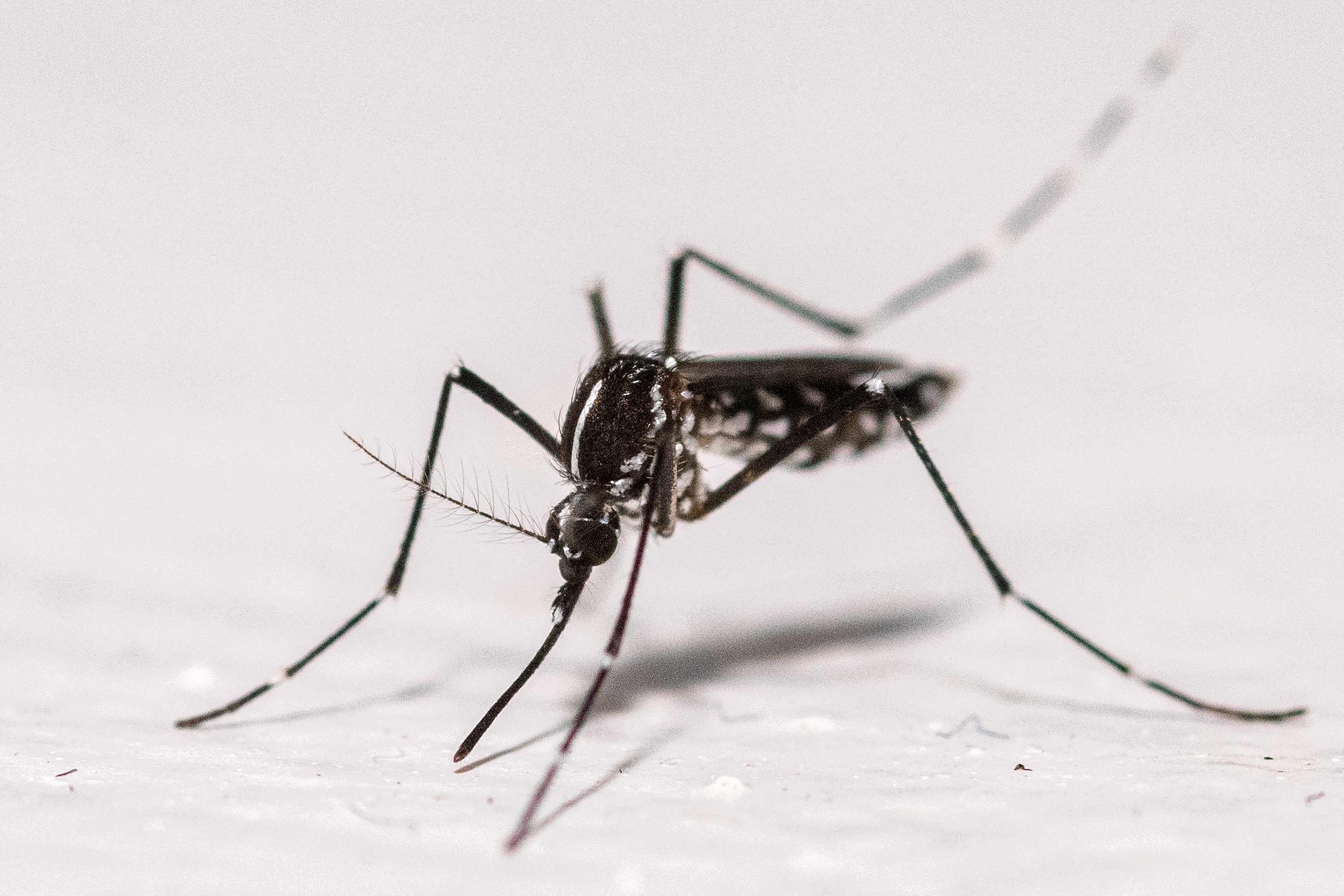
The mosquitoes come from Kentucky’s MosquitoMate, WTOP noted, which has nationwide approval to use the mosquitoes as a biopesticide.
The control typically works in about a month, according to Bee Safe Mosquito Control.
“Our system is designed to reduce mosquitoes in the long term rather than the short term,” the company says.
The ZAP mosquitoes are already being deployed and the company will continue to release the mosquitoes through September, WTOP said.
“We’re releasing 600,000 in total within the DMV for 2026,” said Montgomery. “Hopefully, we’ll increase that for next season.”
