
Can Ozempic help you live longer?

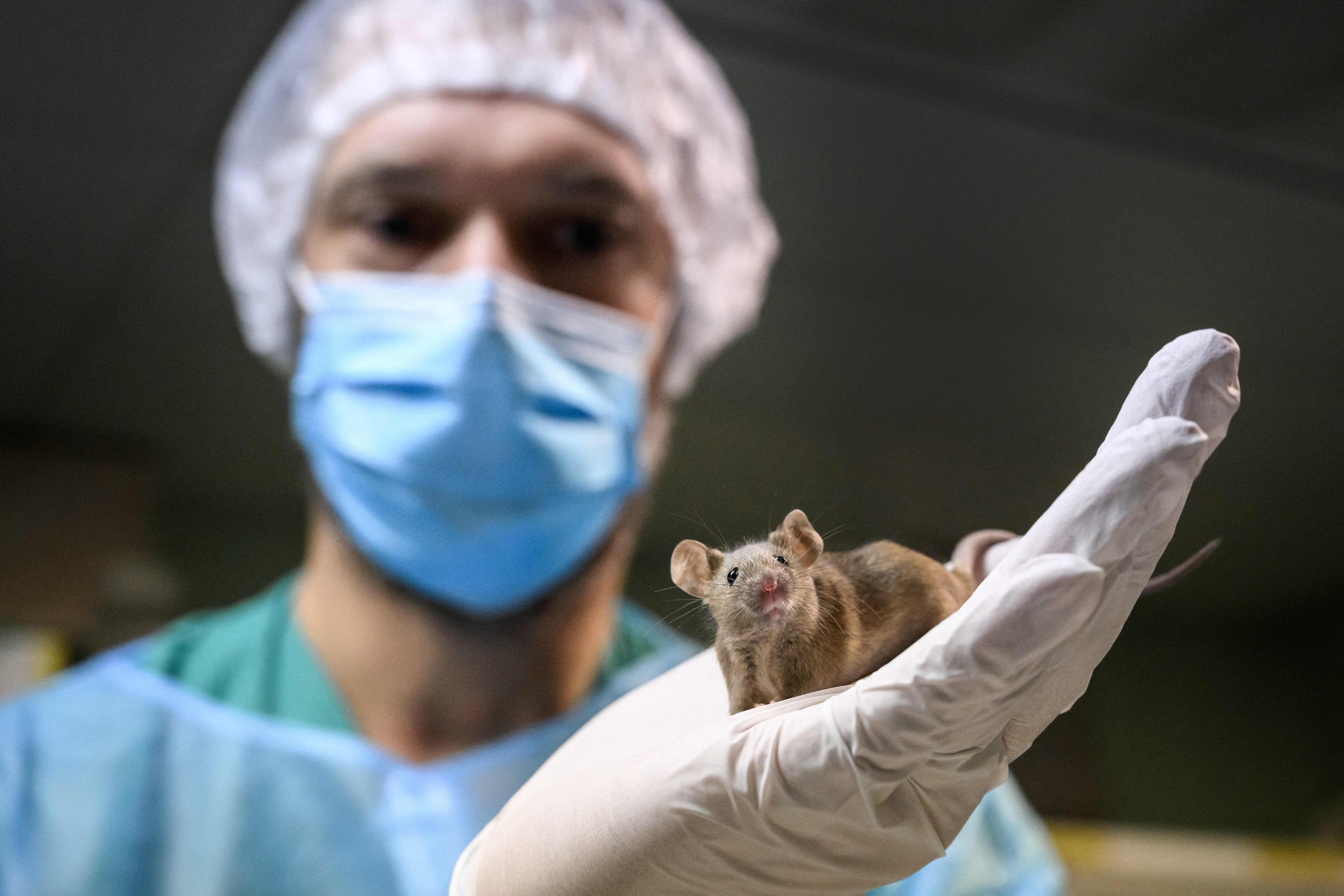
Weight loss drugs, already taken by millions of Americans, may help people live longer, according to a new study on mice.
Taking semaglutide GLP-1s, like Ozempic and Wegovy, over three months led to improvements in the animals’ blood sugar regulation, appearance, behavior and lifespan, helping them live around 100 days, about 12 percent, longer than normal.
More research is needed to confirm how human lifespans could benefit from the medications, researchers at the University of California, Berkeley, said Wednesday.
Because chronic diseases are rooted in the aging process, if these drugs slow down aging then “a wide range of clinical benefits is exactly what you’d expect to see,” Rafael de Cabo, senior investigator at the National Institute on Aging and author of a commentary on the study, said in a statement.
Separate research conducted earlier this year shows GLP-1s have had unexpected benefits on the human body, including potentially reducing the risk of heart attack and improving liver health.
Other studies released over the past year suggest the drugs could have anti-aging properties, with trials conducted in both humans and mice.
The shots can help people shed dozens of pounds in a matter of weeks by mimicking the natural hormone that curbs appetite. Cutting calories and maintaining a healthy weight has long been shown to help people live longer.
To make sure the new study’s results were not just because the mice were eating less food, the scientists conducted a separate experiment. Over the course of five months, one group of mice were given the drugs while others were fed a low-calorie diet.
Both groups of rodents showed improvements in blood sugar regulation, appearance, behavior and lifespan. But the mice on the drugs had greater changes to their health, outperforming the low-calorie diet group in terms of memory and regulating blood sugar.
“These differences point to the possibility that GLP-1 drugs tap into a biological pathway independent of calorie restriction,” Danica Chen, one of the researchers, explained.
Future research will look into how this happens, she noted, but the latest study could guide trials in humans, too.
If findings in humans are the same as in the mice study, that would greatly widen the use of GLP-1s, Chen said.
GLP-1s are approved for weight loss and to treat patients with diabetes. However, their use is expanding.
Last week, the Eli Lilly diabetes drug Mounjaro, which is used for weight loss without federal approval, was approved by the Food and Drug Administration to lower the risk of major cardiovascular events in adults with Type 2 diabetes.
