
Common painkillers increase risk of sunburn, warns health watchdog

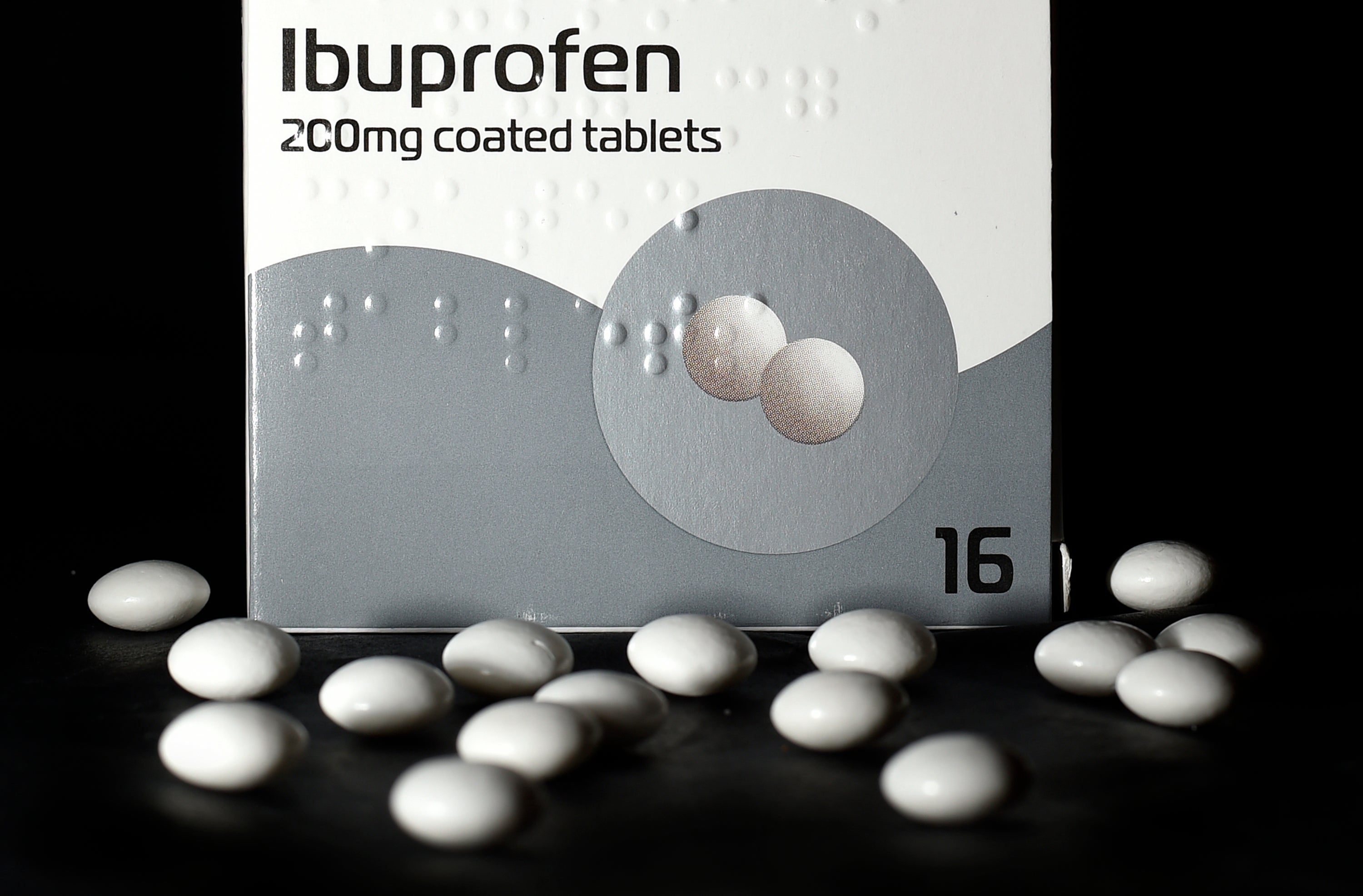
Common painkillers including ibuprofen could increase the chance of getting sunburn, Britain’s health watchdog has warned as the country braces for its fifth blistering heatwave of the summer.
The public is urged to take extra precautions if taking the medicine in warmer weather, with temperatures set to soar to 36C next week.
The Medicines and Healthcare products Regulatory Agency (MHRA) said on Friday that drugs like ibuprofen and naproxen could increase sensitivity to the sun, making burns more likely.
Other treatments that can increase sensitivity include antibiotics like doxycycline and tetracycline, acne treatments like isotretinoin and topical retinoids, and antifungal medicines such as voriconazole.
Dr Alison Cave, chief safety officer at the MHRA, said: “Some commonly used medicines can affect the body’s ability to stay hydrated, regulate temperature, or protect itself from sun exposure.
“Simple precautions can make a significant difference. Staying hydrated, avoiding the strongest sun during the middle of the day, and using protective clothing and sunscreen can all help reduce risk.”
She noted diuretics, often prescribed for blood pressure or heart conditions, can increase fluid loss and make dehydration more likely.
Meanwhile, some antidepressants and antipsychotics can affect the body’s ability to regulate temperature, and medicines like beta blockers may reduce the body’s response to heat stress.
The body uses several mechanisms to regulate temperature: sweating, blood flow to the skin and fluid balance. But some commonly prescribed drugs interfere with these processes, making it harder to stay cool.
Older adults, people with chronic conditions – especially those with heart or lung disease – and those taking multiple prescription drugs are especially vulnerable to heat-related illnesses.
Last month, doctors warned people on certain mental health medications to take extra precautions ahead of another heatwave.
Dr Nick Broughton, NHS England’s national director for mental health, learning disabilities and autism, said that people taking antipsychotic medication and antidepressants need to be extra cautious during hot weather because some of these medicines can make it harder to keep the body cool.
“Most importantly, they should not stop taking their medication suddenly and can speak to their GP, pharmacist or mental health team for advice if they need to,” he said.
New yellow health heat alerts came into force this week as the UK prepares to face its fifth heatwave of the summer.
The alerts run until 9pm on Tuesday across all of England, except the North East and North West.
They warn that the hot weather is likely to affect the wellbeing of the population, particularly those who are vulnerable or have health conditions.

The Met Office said temperatures will climb through the weekend as heatwave conditions return, with a high of 36C expected in parts of East Anglia and south-east England by Thursday.
To reduce the risk of medicine-related problems during the summer, people are encouraged to:
- Check the patient information leaflet for advice on sun exposure and hydration. This comes with every medicine and can also be accessed online.
- Be aware of signs that the body is struggling in the heat, including dizziness, headaches, unusual fatigue, confusion or reduced urination. Skin that becomes red, sore, blistered or reacts more intensely after sun exposure may also be a sign of increased sensitivity linked to medication.
- Do not stop taking prescribed medicines during hot weather without advice. Anyone who is unsure about how their medication may be affected by heat or sunlight should speak to a pharmacist or GP.


