
Drinking fruit juice and other sugary treats as a kid may increase the risk for long-term health problems

Drinking fruit juice, soda and other sweet beverages during childhood may raise the risk of high blood pressure in adulthood, according to new research published Monday.
A study by the American Heart Association of more than 25,000 Americans aged 9-16 over 25 years revealed that just two or more 12-ounce servings a day raised their risk for developing high blood pressure by 52 percent compared with those who consumed fewer than three servings each week.
High blood pressure – when the force of blood pushing against vein walls is too high – contributes to a heightened risk of heart and kidney disease, stroke and dementia. Over 125 million American adults live with high blood pressure, according to the association.
“Dietary habits in early life can have lasting health consequences,” Dr. Vasanti Malik, an adjunct faculty member at the Harvard T.H. Chan School of Public Health, said in a statement.
”High blood pressure is also emerging earlier in life, with growing rates being seen in younger adults, in children and adolescents, which highlights the importance of early detection and prevention.”
Drinking 12 ounces of juice a day was tied to a 35 percent higher risk than those who drank less than one serving a week, and soda and sports drinks had a 23 percent and 36 percent higher risk, respectively.
One juice stood out above the rest; each daily serving of orange juice was associated with a 20 percent higher risk, while other juices were not.
But the researchers said that orange-flavored drinks with added sugars may have been misreported as orange juice.
Study participants tracked their food and drink intake and other health factors, taking questionnaires every 1-4 years. They also reported their blood pressure and researchers developed models showing the effects of different drinks.
Still, it’s not how much you’re drinking that matters the most, it’s what, American Heart Association volunteer expert Dr. Amit Khera explained.
“As has been seen in adults, the total amount of fructose seems less important for the development of hypertension than the type of food where it is consumed, so sugar-sweetened beverages and fruit juice relate to increased risk, while whole fruit does not,” said Khera.
“Secondly, there has been a misconception about fructose in general being harmful for cardiovascular health regardless of the source, and that fruit juices are beneficial for health. This study demonstrates that neither seems to be correct,” he added.
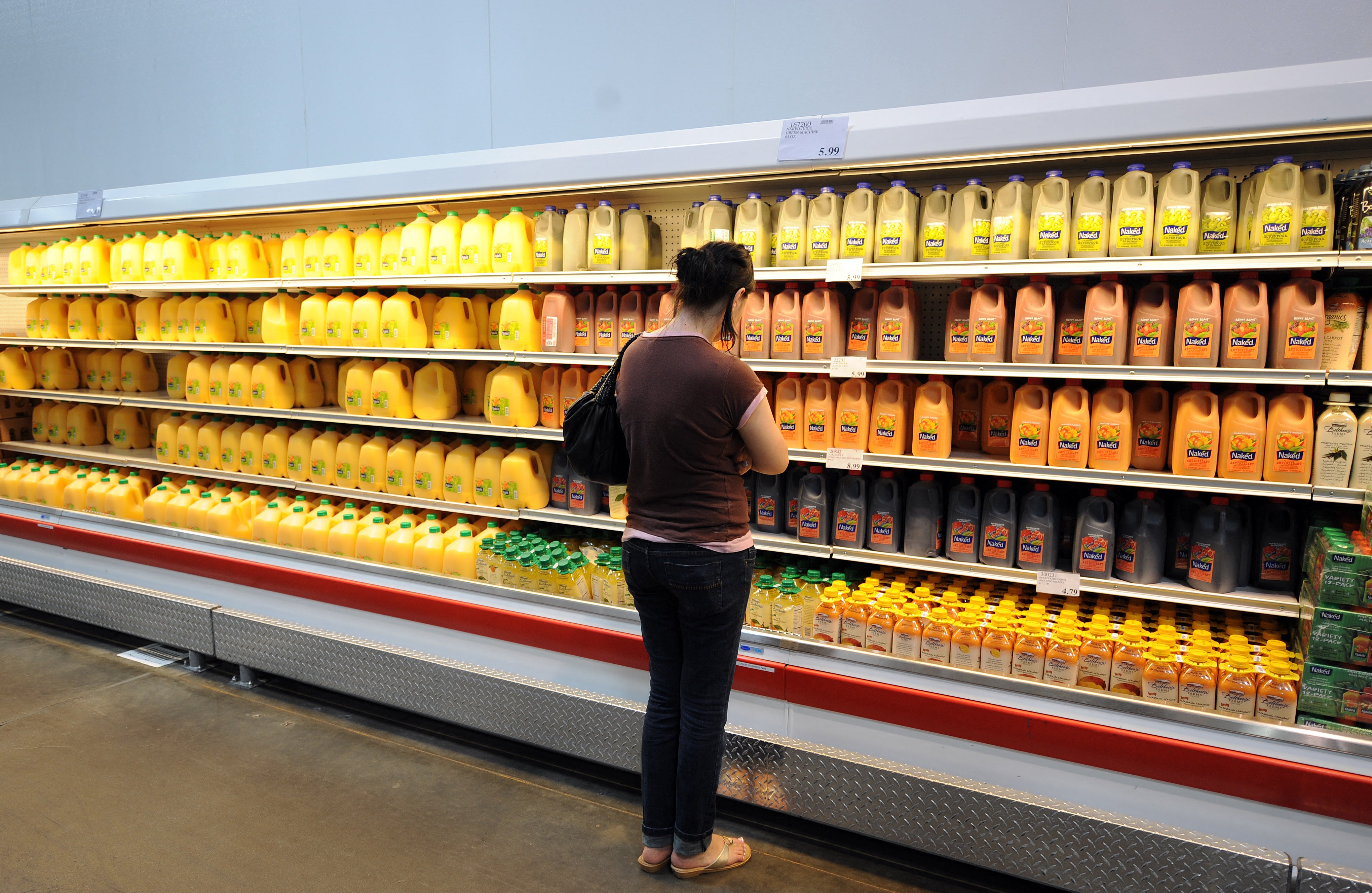
Drinking and eating better beverages can help to lower risk, the researchers say.
Replace a daily serving of a sugary beverage with whole fruit to lower the risk for high blood pressure by 22 percent, the association said. Or, replace fruit juice with whole fruit to reduce risk by 19 percent.
Milk and water also make good substitutes for sugar-sweetened beverages that can help to quench thirst. Substituting either was tied to a 13 percent lower risk.
However, the same result was not seen for replacing fruit juice with milk or water.


