
Eighth person dies from flesh-eating bacteria linked to oysters in US

An eighth person has died in the United States this year after being exposed to a flesh-eating bacteria spread through contaminated seawater and by eating oysters.
The latest death, from complications of aVibrio vulnificus infection, was reported in Bay County, northwest Florida, according to data from the state’s health department.
One in five people die from infections of vibriosis which can lead to blistering skin lesions and septic shock, as well as rapid tissue death that forces amputations.
There have been three vibriosis deaths in Florida and five deaths in Louisiana this year. The deceased individuals have not been identified.
In total, nearly 30 cases have been confirmed across the Gulf Coast states.
The numbers in Louisiana are higher than usual, with nine cases reported. Louisiana typically reports an average of seven vibriosis cases and one death related to the infection annually, state health officials said.
“All nine cases reported this year were associated with wounds exposed to seawater, and all patients had underlying health conditions,” Louisiana’s Department of Health reported earlier this month.
The U.S. sees approximately 150-200 vibriosis infections each year and half occur in the Gulf states of Florida, Louisiana, Texas, Mississippi and Alabama.
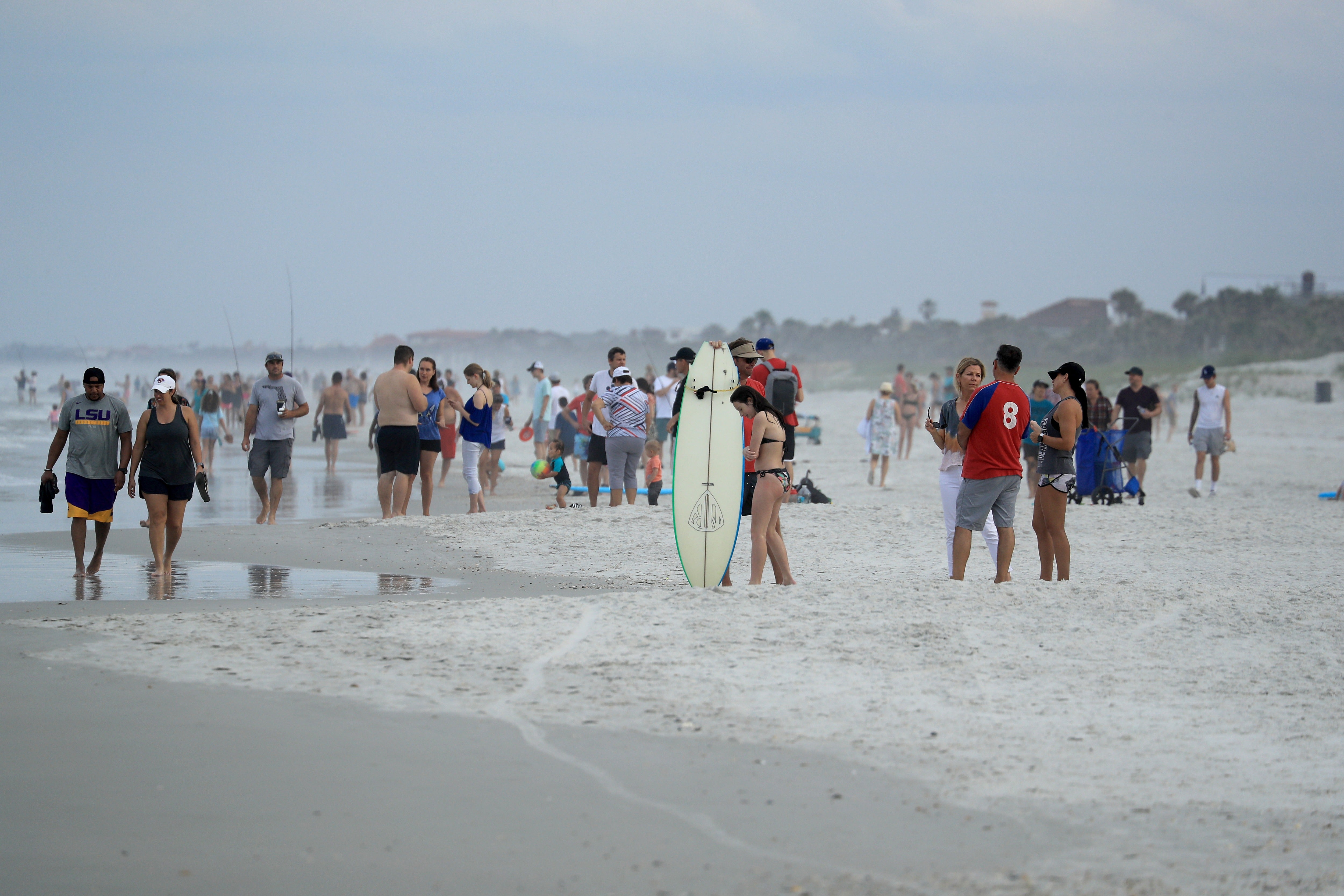
Vibrio bacteria lives in coastal waters and increases from May to October, when ocean temperatures are warmer.
It is frequently found in oysters, though a person may also be infected from any raw shellfish.
Infections do not discriminate, although most healthy individuals experience mild illness. Symptoms include vomiting, diarrhea, fever, chills, high heart rate and disorientation.
If the bacteria invades the bloodstream of someone with a weakened immune system, the symptoms can escalate to skin lesions and septic shock. Sometimes, infection may result in amputation or cause necrotizing fasciitis, when the flesh around an open wound dies. This can lead to death within a few days.
“Signs of a bloodstream infection include fever, chills, dangerously low blood pressure, and blistering skin lesions,” the Louisiana Department of Health says.
People who have cancer, liver disease, diabetes, HIV, or the genetic blood disorder thalassemia are at increased risk of severe complications.
So are people who take immune-suppressing drugs, medicine that reduces stomach acid, and people who have had recent stomach surgery.
People can avoid exposure by not eating raw shellfish, not exposing open wounds to warm salt or brackish water, and wearing gloves and other protective clothing.
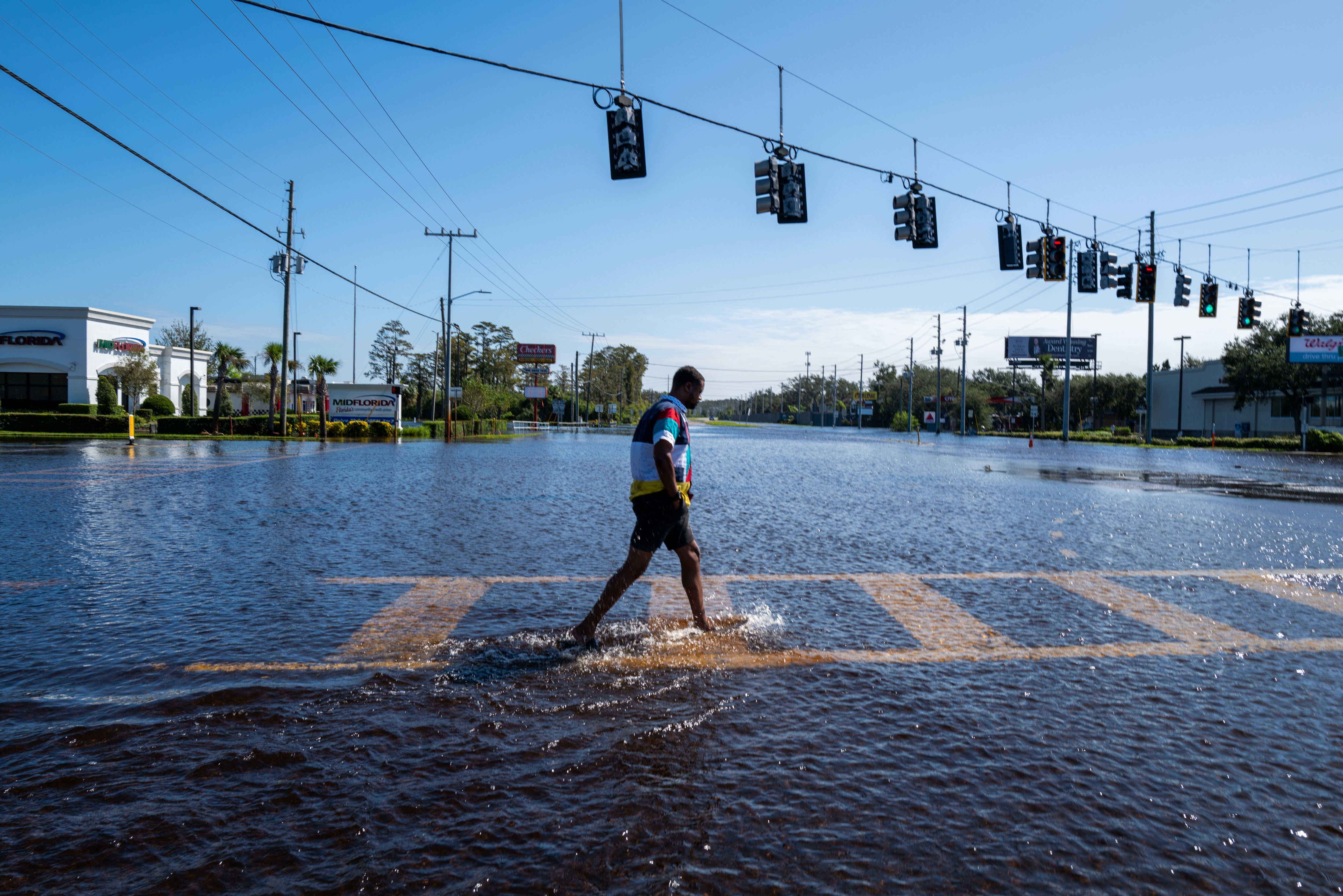
There were an unusually high number of cases and death – 82 cases and 19 deaths – in 2024, likely related to flooding from Hurricanes Helene and Milton.
“Individuals who are immunocompromised, e.g chronic liver disease, kidney disease, or weakened immune system, should wear proper foot protection to prevent cuts and injury caused by rocks and shells on the beach,” the Florida Department of Health advises.
