
Forget oranges — these are the vitamin C foods you need for cold season

Want to bookmark your favourite articles and stories to read or reference later? Start your Independent Membership today.
Already a member?
Log in
The season of coughs and sneezes has started with doctors urging people to get their flu and Covid jabs.
Many reach for orange juice, vitamin C tablets or even a ginger immunity shot at the first sight of a sniffle in hopes of keeping the common cold at bay.
While there is no single vitamin or food that can prevent someone from catching a common cold or flu, vitamin C does help support the immune system.
But nutritionists suggest there are other foods which are far higher in vitamin C than an orange.
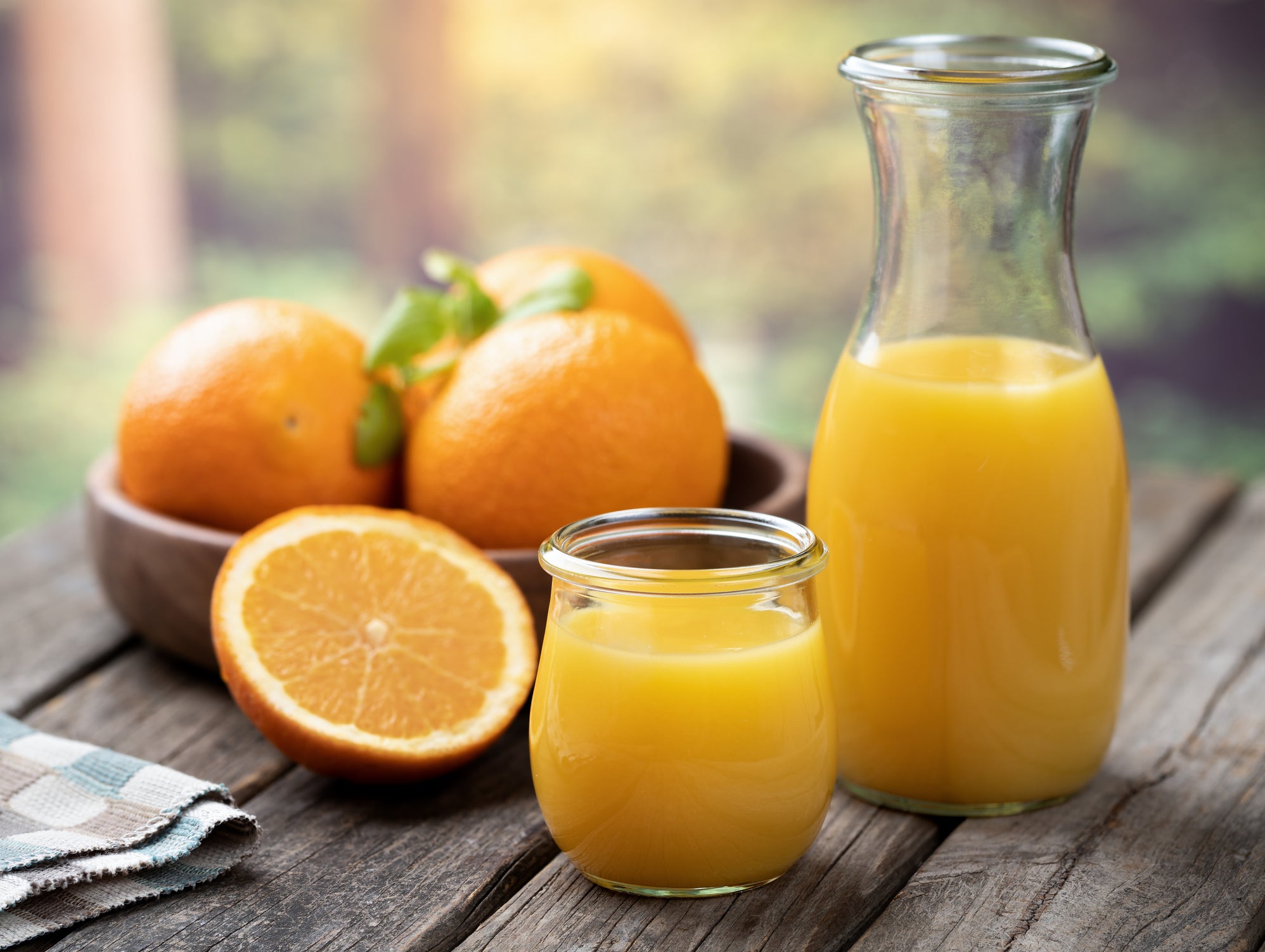
What foods contain the most vitamin C?
One small 120g orange contains about 62 milligrams (mg) of vitamin C. That’s just a fraction of what’s in just half a red bell pepper, which contains roughly 100mg of vitamin C when eaten raw.
“Some of the richest sources include red peppers, blackcurrants, kiwi fruit, strawberries, broccoli and Brussels sprouts, as well as citrus fruits,” Rob Hobson registered nutritionist and author of the low appetite cookbook, told The Independent.
Adults aged 19 to 64 need 40mg of vitamin C a day, which should be sourced from a healthy balanced diet, according to the NHS.
Other fruits and vegetables high in vitamin C include strawberries (46mg per 80g serving), blackcurrants (160mg per 80g), broccoli (63mg per 80g), Brussels sprouts (48mg per 80g) and kiwi (47mg per 80g).
Potatoes are also a great source of vitamin C, according to the NHS. Although they typically only contain around 7 to 9mg of vitamin C per 100g most people eat more than 100g of spuds in a meal.
Why is vitamin C good for the immune system?
Vitamin C, also known as ascorbic acid, is a water-soluble vitamin that is not stored by the body.
That means it is vital to get adequate amounts from food every day.
Vitamin C helps to repair tissue in the body and supports the immune system by protecting cells from free radical damage and enhancing the body’s natural defences.
“Vitamin C plays an important role in normal immune function, helping to maintain the skin and other barriers that form our first line of defence and supporting immune cells such as macrophages and B- and T-lymphocytes,” Mr Hobson added.
Although the NHS says there’s little firm evidence vitamin C alone prevents colds or speeds up recovery, maintaining a healthy immune system by eating vitamin rich foods could help you prevent getting ill in the first place.
“Vitamin D, C and Zinc boost the immune system when you have this regularly in your diet or complement your diet with supplements,” Dr Leyla Hanbeck, CEO of Independent Pharmacies Association said.
“It’s important to have a balanced diet and to ensure regular and sufficient levels of these vitamins because they play a role in strengthening the immune system and in turn help the body be better prepared against viruses,” she added.
