
Meet the 8 emerging designers shaping the future of fashion

Emerging Designers – The Autumn 2026 Issue
Gallery / 16 images
Impossible Barbies, punky ballerinas and trompe l’oeil ‘second skins’: Below, we meet fashion’s newest avant-garde designers, each finding new and innovative ways to relate to the body.
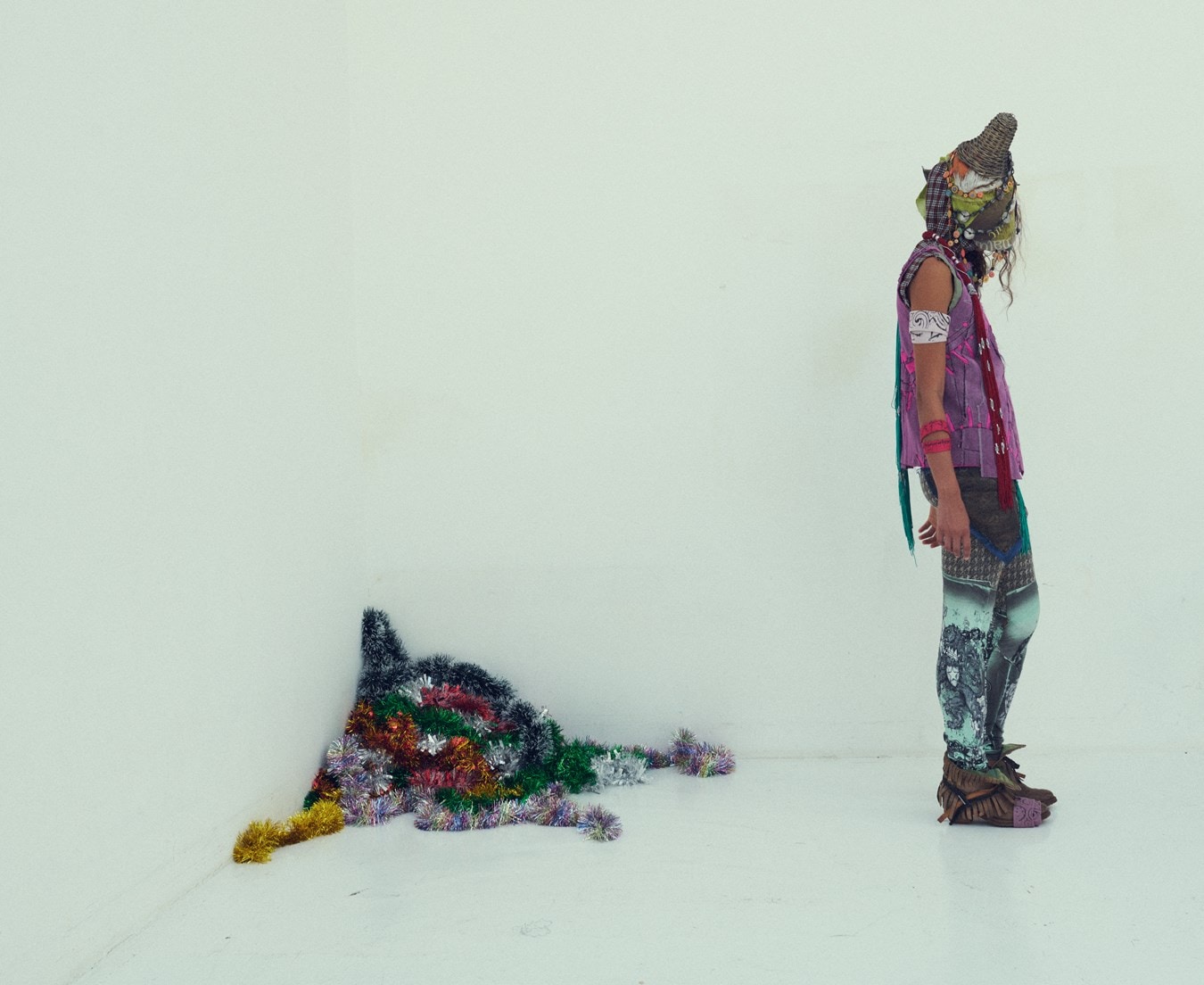
Kai Ghattaura was raised in Telford, a commuter town close to Birmingham, but he grew up online. “I barely left the house!” says the 24-year-old designer, who spent the majority of his childhood playing video games. Gaming sparked an interest in character design, but he preferred to create things physically rather than virtually. Fashion was a natural pathway for Ghattaura, who graduated from Central Saint Martins’ prestigious MA fashion course this year. “The only people who get attention in fashion are the ones who have been drawing dresses since they were three years old,” he says. “But that’s not me. I grew up playing video games; there’s no point faking it.”
Today, internet lore and gaming culture remain central to his work, which he describes as “postmodern ragebait clothing”. But he’s also keen to earn respect as a serious, technical designer. “Social media is the cheapest way to get PR,” he says. “But there also have to be pieces that establish me as a fashion designer, and not just some goofy internet thing.” When he’s not designing custom looks for clients like EsDeeKid, Wet Leg and Billionhappy, he’s working towards an independent fashion show this September, a joint endeavour with his partner paying homage to 2016 pop culture.

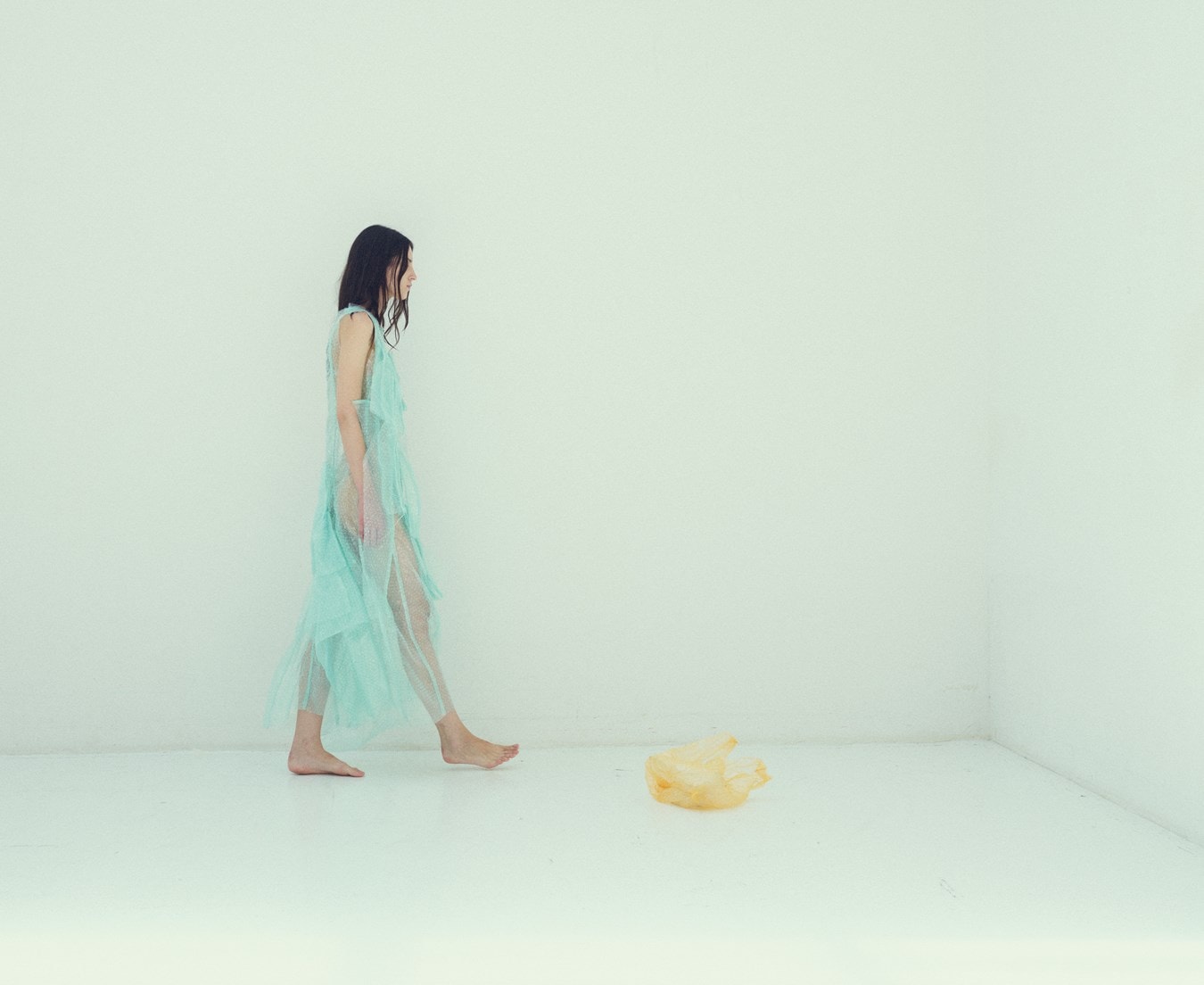
Gil Hursthausen is an aloof character. Besides an Instagram account and a website selling T-shirts and socks, you’ll find very little information about the designer online. The air of mystery builds when she doesn’t show up to our scheduled video interview, meaning my investigation has to be conducted via email. Even then, details are not particularly forthcoming. Instead of revealing where she’s from, Hursthausen sidesteps the question: “I’m based in London.” When did she start her brand? She doesn’t remember. Did she study fashion? That’s a secret. Did she intern anywhere? Also a secret.
In fact, she keeps almost every aspect of her entry into fashion under wraps. I do glean that she previously worked as a hairstylist and make-up artist, however. “I realised I could create and express much more [in fashion] than I had been able to in my past career,” she offers. Today, Hursthausen describes her work as “ironic and experimental”; she once created a dress entirely out of bubble wrap, which illustrates the playful approach to shape, texture and layering she carries throughout her collections. Her most recognisable design is an oversized slogan T-shirt that cryptically reads: “CONCEPT WASHING”. She may be maddeningly inscrutable, but that approach worked for Margiela and Vetements, and so far it’s working for her too.
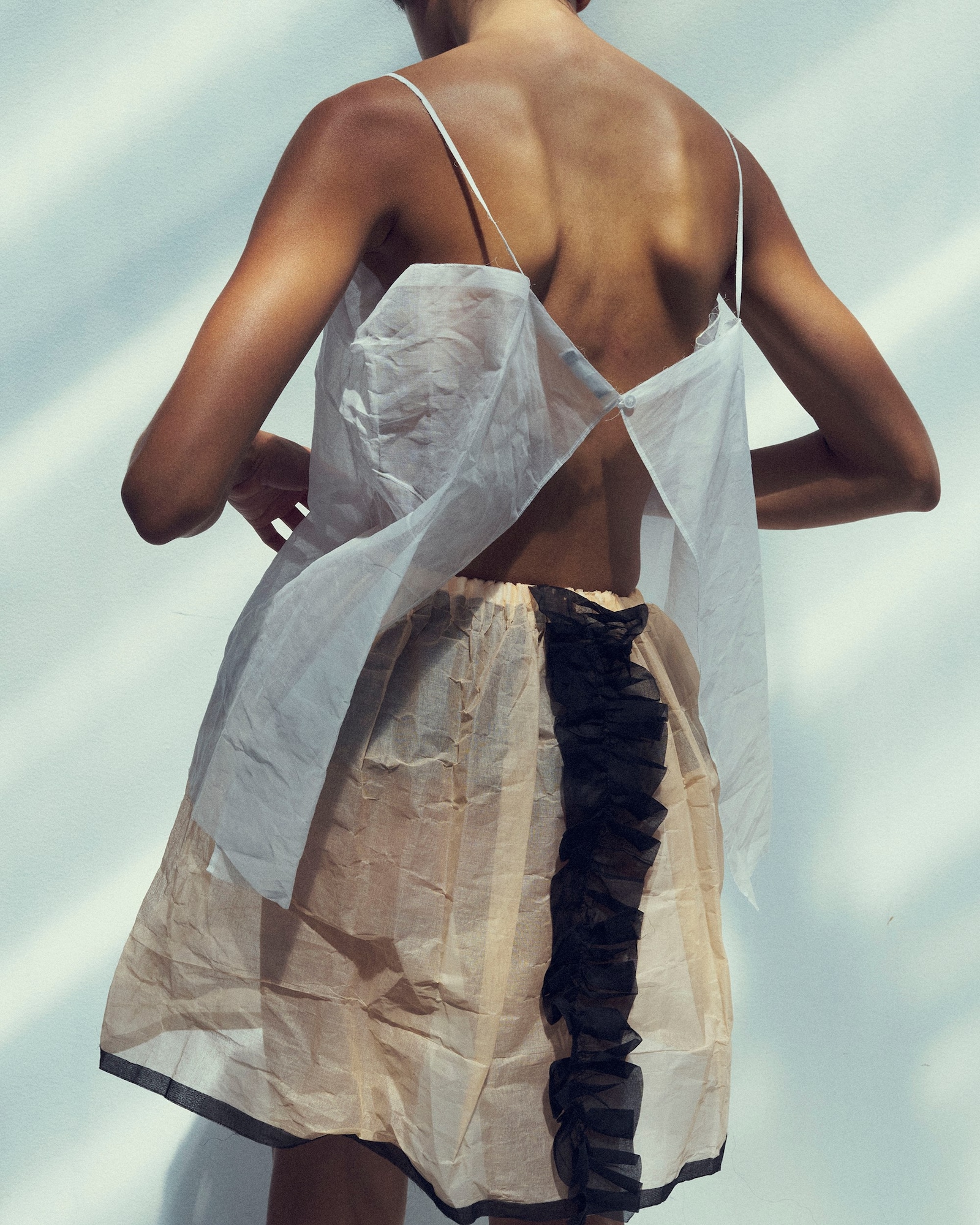
Designers Freddy Coomes and Matt Empringham kicked off 2026 with an announcement. In the second week of January, they posted an Instagram photo depicting a white mannequin wearing a windswept ginger wig with the caption: “The name of the brand is now A Letter.” Formerly known as Aletta, the duo showed two collections before switching it up for their third, presented in February. Coomes and Empringham met on the first day of their foundation course and, unlike most freshers’-week friends, remained close throughout their time at CSM. Both worked under Jonathan Anderson during their placement years – Coomes at Loewe and Empringham at JW Anderson – before launching their joint label with a ten-piece collection for Dover Street Market in 2025.
Coomes’ love of fashion evolved from buying streetwear and reselling it on eBay, while Empringham has a more ambivalent relationship with the industry. “I haven’t fallen in love with fashion just yet,” he says. Known for their use of trompe l’oeil materials (such as gossamer-thin crepe, made to look like paper), the pair’s designs are often described as “stuck on”, like garments cut out of a dress-up doll book. Right now, all their efforts are focused on their fourth collection, which they’re showing this September.
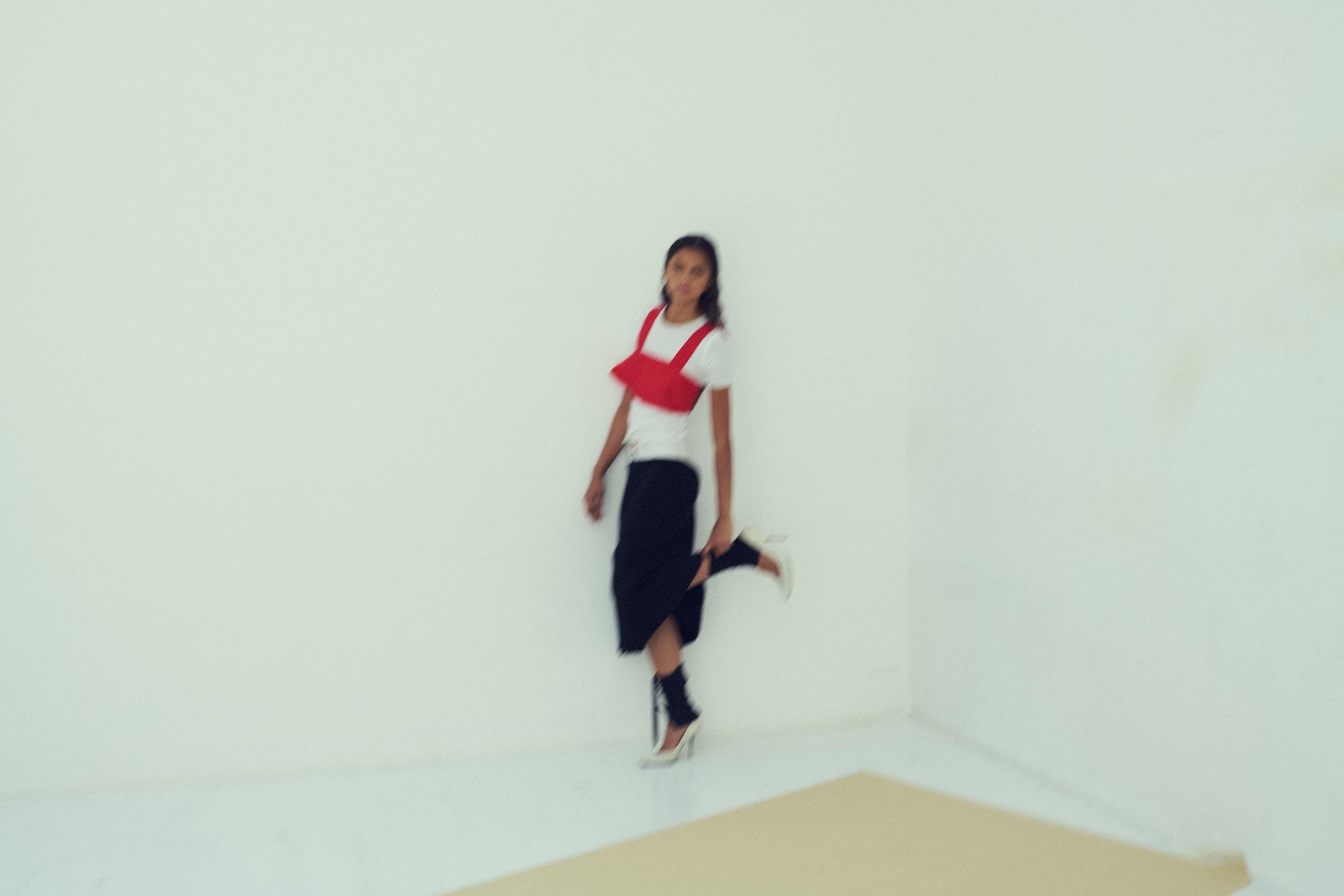
It’s surprisingly rare to meet a young designer who would rather work in-house at a luxury label than launch their own brand. “If I could go to Prada or Margiela, that would be amazing,” says Giulia Galiberti. Since presenting her MA collection earlier this year, the CSM graduate has split her time between London and Italy, living with her parents in Genoa, where she’s been eagerly applying for jobs. “I want a job because I want to be able to learn as much as I can before I start my own brand – if I start my own brand,” she says. “I want to work for someone else because I feel like I would come out of it with such amazing instruments and knowledge.”
Galiberti grew up making clothes for her Barbies and staging makeshift fashion shows with friends. Today, however, her work subverts the classic Barbie silhouette, contorting the body and exaggerating the female form. She’s especially inspired by society’s obsession with breasts –“people are very attached to them!”– and augments them to surreal proportions in her designs. She describes her creations as “a bridge between the possible and the impossible body,” though she’s keen to note there is always a touch of “the grotesque” in everything she does.
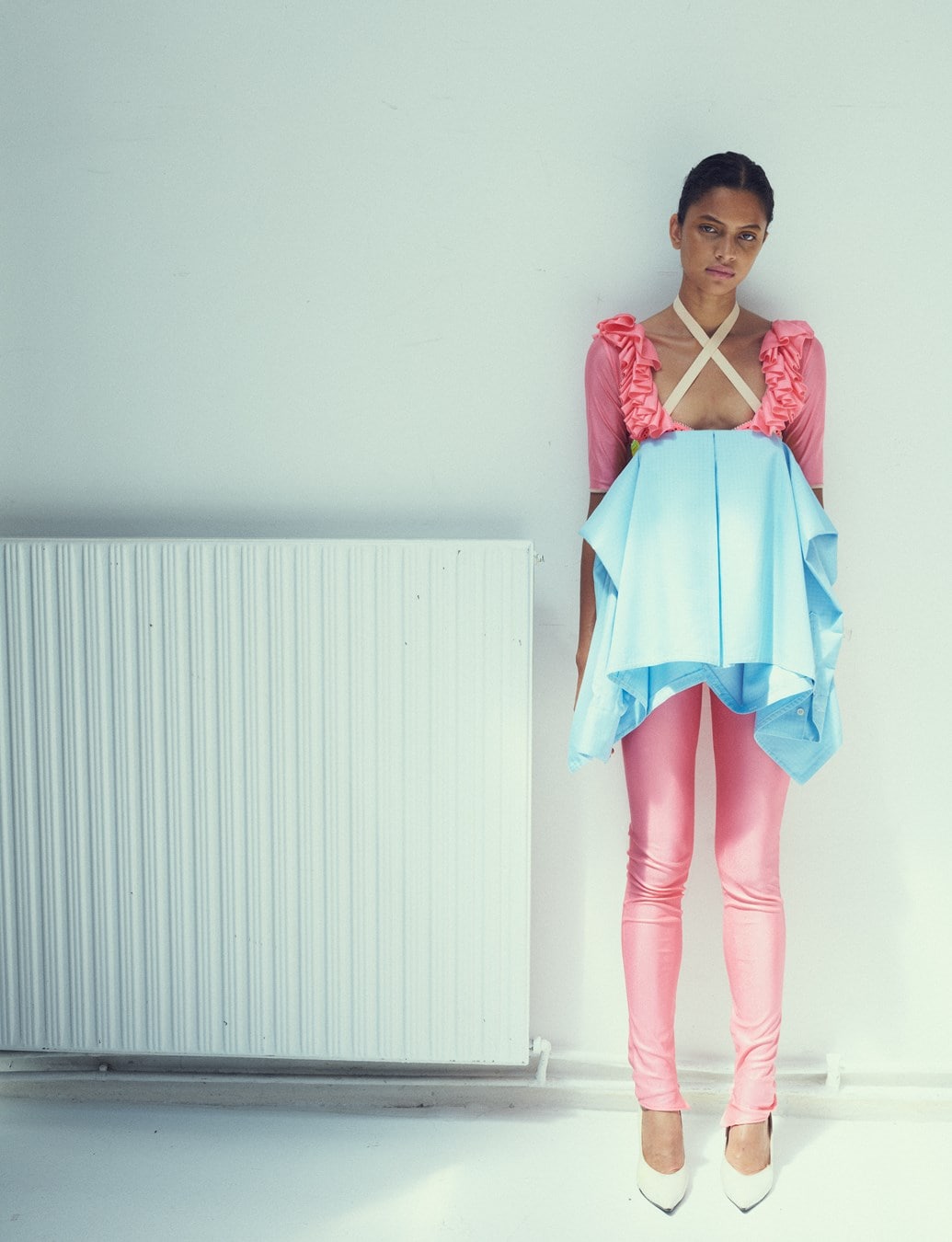
While some young children are thrown into ballet, others are introduced to the fascinating world of disco freestyle. It’s basically ballroom dancing on acid, with participants squeezed into rhinestoned, neon Lycra costumes split-jumping through the air to thumping music (usually the likes of Cascada or Basshunter). This was Bradford-born Oliver Jeanes’ childhood, which he honoured this spring with a collection dedicated to the bizarre yet beautiful style of dance. “I don’t think you can compute it unless you’ve experienced it,” he says. “It’s so fab. The people are mental in the most amazing way.”
The 24-year-old has no doubt that these costumes and pageantry triggered his interest in fashion, but it was Henry Holland who sold it to him. Not only the designer’s graphic slogan tees, but his personal appearance too. “I went to the barbers when I was nine with him as the reference image,” Jeanes admits, with a laugh. At the age of ten, he googled “best fashion schools”, and decided he would one day go to CSM, which is exactly what he did. Today, his obsessions include August Barron and Christopher Kane’s 2006 graduate collection. He’ll return to CSM for the MA course this November, but until then he’ll be scouring the internet for one of Kane’s bandage dresses.
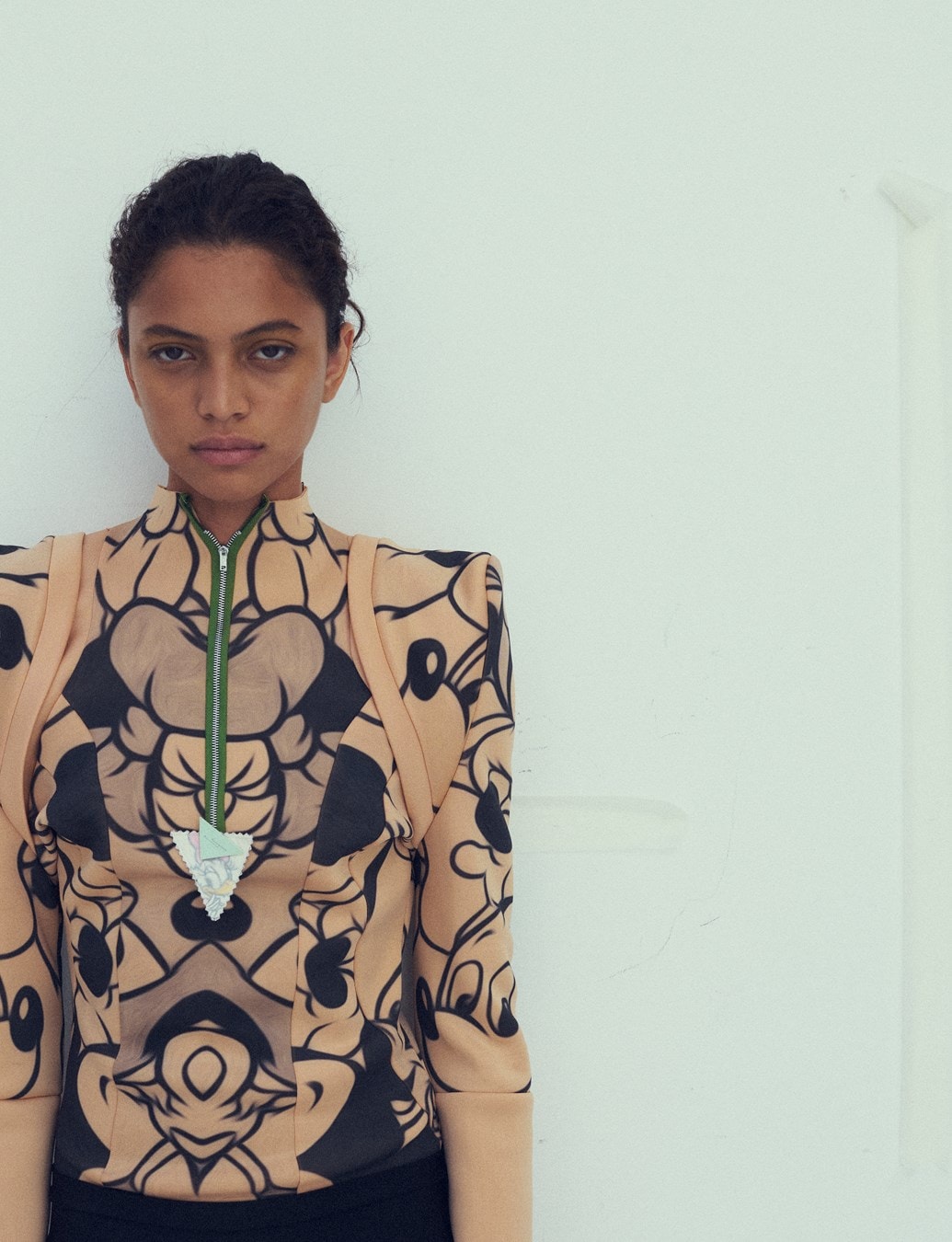
There’s something unsettling about the work of Sara Mikorey, the designer behind Hester Abov. Spend long enough scrolling through her social media feeds, and you’ll begin to wonder what sort of uncanny valley rabbit hole you’ve fallen down. She creates her own mannequins, for example – not your typical, retail-friendly figures, but disturbingly lifelike yet distorted dolls. Then there are the clothes, which include Mickey Mouse strung up and crucified on the back of a dogtooth jacket, or Pinocchio worn as an armband.
From looking at these designs, you might not assume the inspiration behind them is female adolescence – but then, Mikorey’s relationship with girlhood is very different to most. Born and raised with three sisters in a sheltered village in Bavaria, Germany, the 27-year-old recalls feeling confused by girlish stereotypes during her teenage years. “[Those] belittling visuals didn’t match my experience,” she says. “Being met with an expected innocence while having heavy, dark feelings. Never having a listener but always trying to shout.” Mikorey’s 2025 graduate collection gave her free rein to explore these frustrations, blending her own experiences with other references, such as the women of the Bauhaus and her everlasting love of Raf Simons
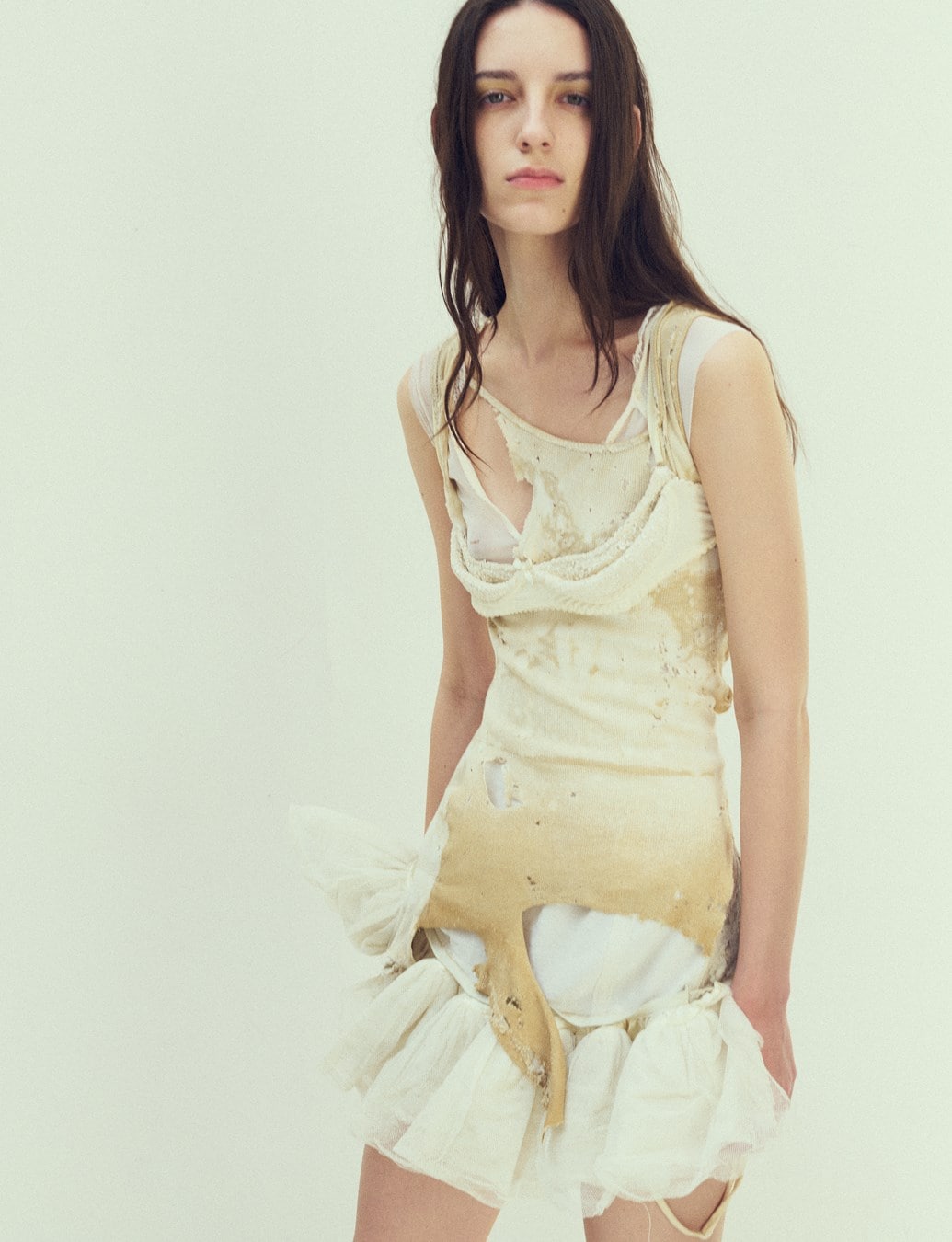
Remember those temporary tattoos you would transfer to your skin with a damp flannel? Well, picture a 360-degree version that wraps around your entire torso and arms, and you’ve got something close to Simon Carle’s work. If you’re still confused, maybe you’ve seen Tyla in one of Carle’s “second skins” – in pap shots or alongside Zara Larsson in the “She Did It Again” music video. The German designer was keen to push trompe l’oeil to new extremes, going beyond fabric and getting as close to the body as possible. “It’s a very simple and straightforward approach,” Carle explains. “It’s the closest a garment can get to the human layer.” It takes an hour to apply the look, but can last up to a week (depending on how often you wash).
Raised in Stuttgart in the south of Germany, Carle was brought up to believe that financial security was the ultimate goal, with creative jobs largely discouraged. “It was always like, ‘How are you going to make money through that?’” he remembers. But after falling in love with dressing up as a kid, he chose to honour his ambitions and enrol at Berlin’s University of the Arts. Now, when he’s not designing body art for global pop stars, he’s experimenting under his own eponymous label and freelancing for a number of luxury houses.
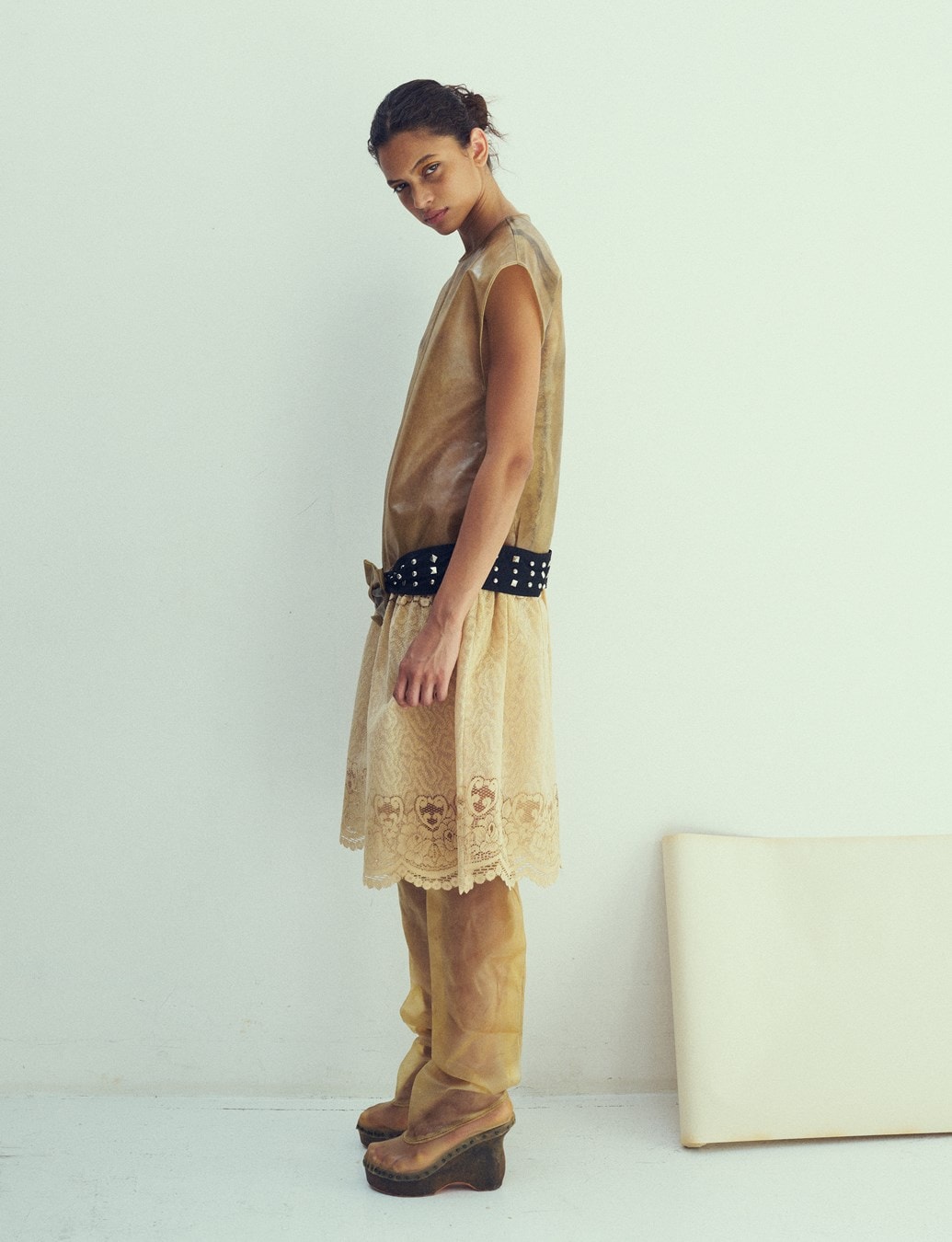
On the day we meet, Yasmina Atta is packing for a trip to Tokyo, where she’s being flown out to work on an undisclosed photoshoot. In some ways, it’s a homecoming for the young designer, who lived in Japan last year, working full-time for a luxury streetwear brand. This time, however, she’ll be representing herself and her own label. Beyond working in-house, Atta has built up her CV in the four years since she graduated by picking up research work for stylists while juggling a full-time job at a gallery in order to pay her rent.
In 2026, the Nigeria-born designer is putting all her efforts into her own eponymous brand – and so far, it seems to be paying off. You might recognise her name from headlines back in June, when Rosalía stepped out in one of Atta’s punky ballerina looks, inspired by Edgar Degas’ famous sculpture, “Little Dancer Aged Fourteen”. After moving to London from Lagos aged 11, Atta immersed herself in the history and culture of the British capital and became obsessed with Buffalo, the 80s streetwear fashion clique led by visionary stylist Ray Petri. “What Petri was doing then still resonates now,” she says. In addition to Buffalo, her work combines her passion for subcultures with her love of African cinema, specifically 1970s Senegalese films such as Touki Bouki.
