
Menopause supplements costing hundreds no better than 6p multivitamins, Which? finds

Want to bookmark your favourite articles and stories to read or reference later? Start your Independent Membership today.
Already a member?
Log in
Supplements aimed at menopausal women that cost hundreds of pounds annually are no better than standard 6p daily multivitamins, according to a consumer watchdog.
Researchers for Which? found that many products targeted at perimenopausal and menopausal women were overpriced, lacking meaningful amounts of essential nutrients while costing 20 times more than basic multivitamins.
The group’s nutrition experts evaluated 26 supplements designed for women going through menopause, perimenopause or those aged over 45, cross-referencing more than 78 active ingredients with up-to-date scientific evidence.
Experts concluded that not one of the reviewed supplements provided the correct balance or dosage of nutrients required to support specific use for menopause.
During menopause, calcium and vitamin D remain the most vital nutrients to protect bone health as oestrogen declines, though magnesium, iron, zinc, iodine, selenium, B vitamins, and vitamins C, E and K are also beneficial.
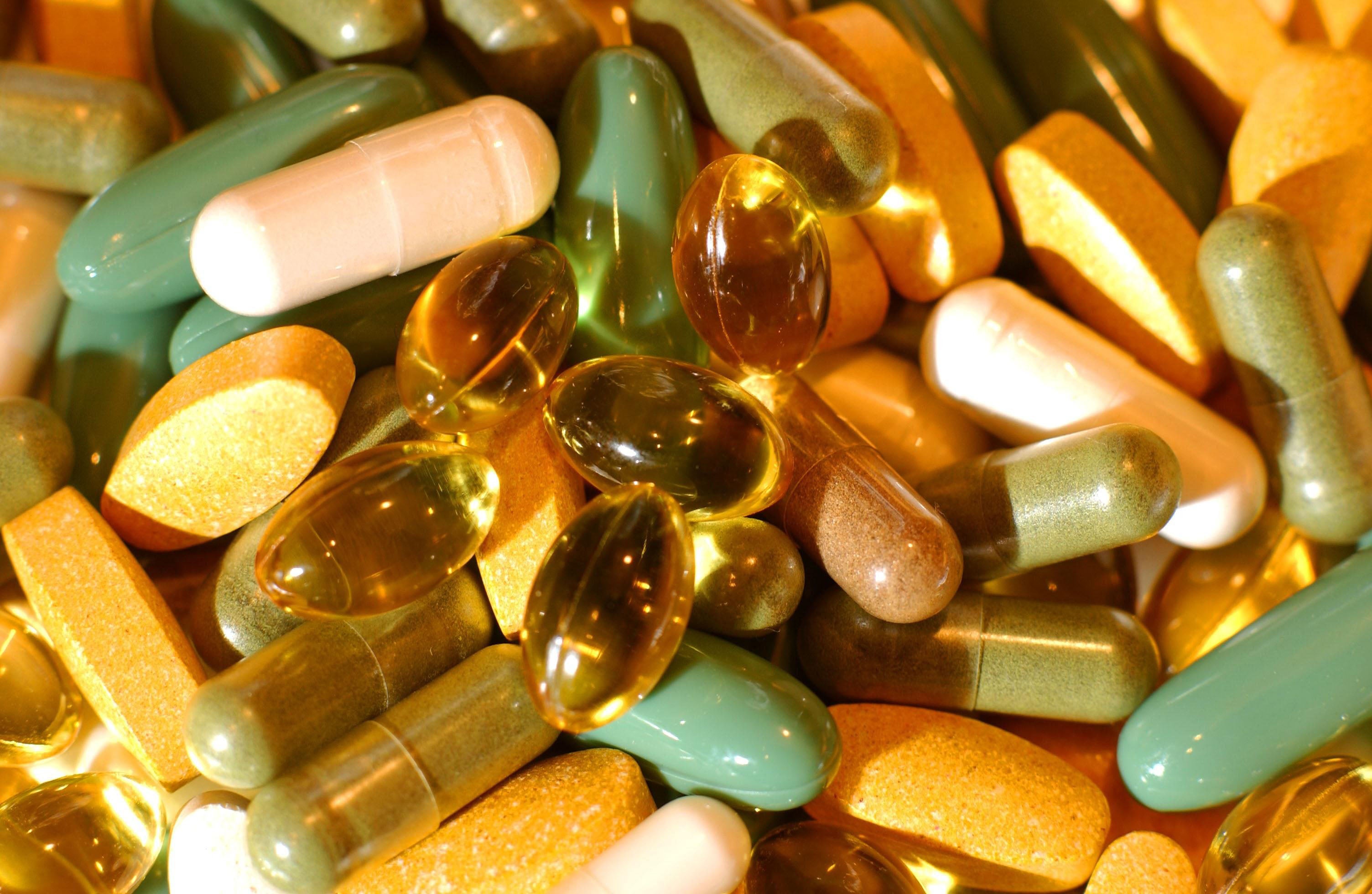
Which? suggested that buying a high-quality multivitamin and adding targeted supplements where needed could be cheaper than a so-called all-in-one menopause blend while being potentially more effective.
It found that Asda’s A-Z Multivitamins & Minerals costing just 6p a day or £22 a year contained all essential vitamins, as well as 200mg of calcium and 100mg of magnesium.
Beyond price, many of the menopause supplements also contained key nutrients in doses too low to be beneficial, known as “fairy-dusting”, while others omitted important vitamins and minerals altogether, the study found.
Many products combined vitamins and minerals with botanical ingredients, but Which? found that the evidence for botanicals such as black cohosh, soy, and red clover was “mixed” and products often contained them at doses far below those used in clinical trials.
Which? said it was concerned that the supplements industry had become a “wild west” and regulators were not doing enough to get a grip on “dubious marketing” and “unchecked quasi-medical claims from firms apparently seeking to cash in on people’s health anxiety and insecurities”.
It advised shoppers not to be “swayed” by the marketing of specialist menopause or menopause friendly supplements, and to check what they were actually getting for their money before paying a premium.
Which? nutritionist Shefalee Loth said: “Navigating mid-life is tricky enough but with so many products making big claims about how they can help, finding what actually works can be completely overwhelming and costs can spiral.
“Our research shows that despite these big claims the vast majority of these products lack the nutritional basics to cover the deficiencies most likely to happen with menopause despite some costing hundreds and hundreds of pounds a year.
“Our advice is to look beyond the marketing hype and think carefully about what you actually need. A higher price doesn’t automatically mean a product will be effective and a cheap multivitamin could do the same job without breaking the bank.”
