
Researchers find prostate cancer treatment that is ‘as effective as’ surgery

Want to bookmark your favourite articles and stories to read or reference later? Start your Independent Membership today.
Already a member?
Log in
A targeted form of radiotherapy is as effective as surgery for some prostate cancer patients, long-term data suggests.
Targeted radiotherapy was previously found to be linked to fewer side effects than a radical prostatectomy, which involves having the prostate removed and comes with risks of erectile and urinary problems. So researchers wanted to study both treatments and their impact over the longer term.
New data, presented to the 2026 American Society for Radiation Oncology Annual Meeting, suggests that patients with low-to-intermediate-risk prostate cancer can safely have a highly targeted form of radiotherapy instead of having their whole prostate removed.
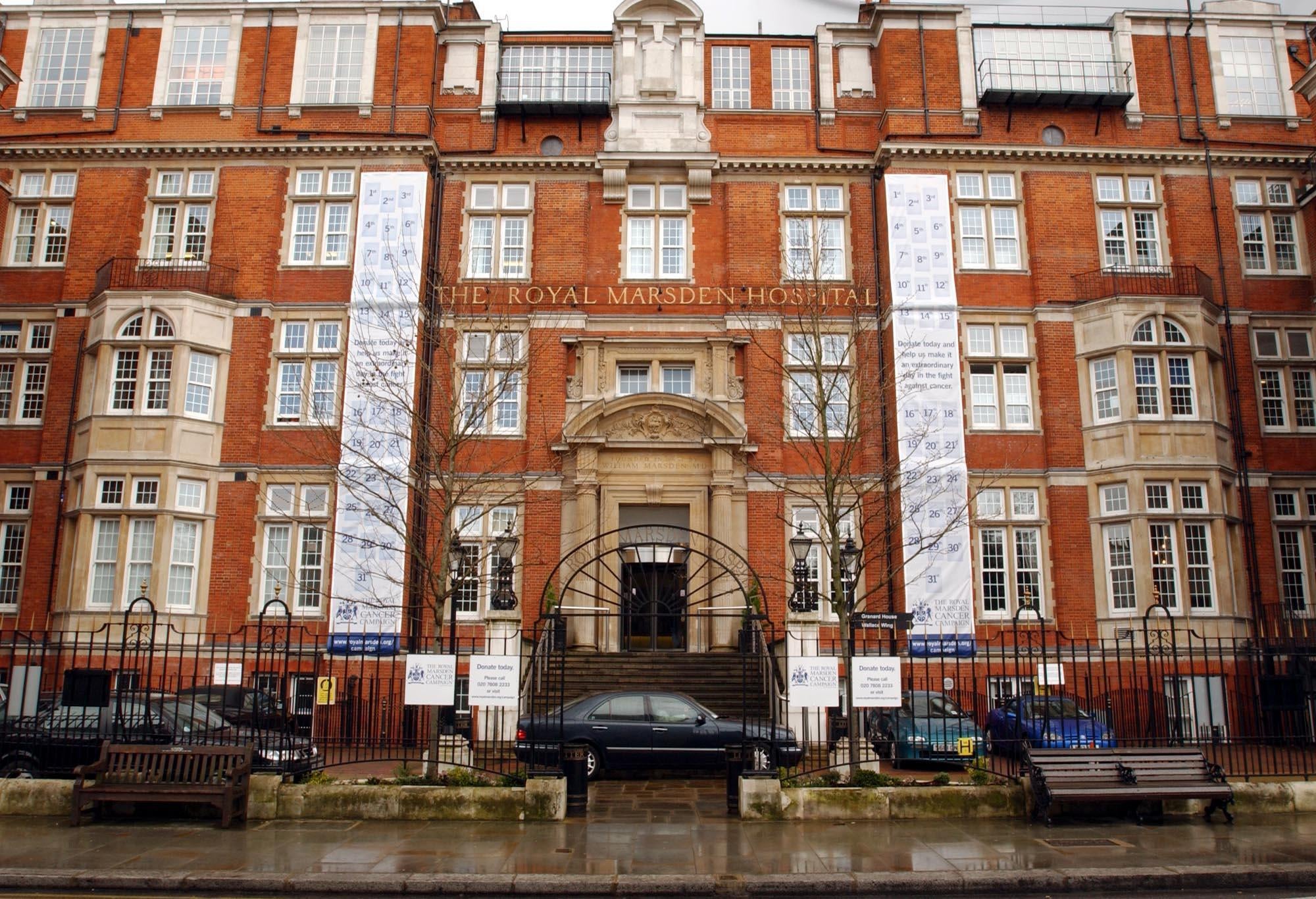
Researchers, led by experts at The Royal Marsden NHS Foundation Trust and The Institute of Cancer Research, London, looked at 123 patients who were tracked for an average of eight years after treatment.
Half of the men were given a prostatectomy and the other half were given stereotactic body radiotherapy (SBRT) five times over one to two weeks.
The SBRT was often delivered using a device called the CyberKnife, which precisely targets radiotherapy treatment using real-time imaging.
During the follow-up period, some 13 patients showed signs that their cancer had returned or progressed, including five in the SBRT group and eight in the prostatectomy group, according to the conference abstract.
After eight years, 91.2 per cent of men who were given radiotherapy remained free from signs that their cancer had returned or progressed, compared with 83.7 per cent in the prostatectomy group.
The authors conclude: “These findings support SBRT as an effective non-surgical treatment option with comparable long-term disease control to prostatectomy.”
Survey responses from the patients five years after treatment showed that 8.3 per cent of patients in the radiotherapy group reported daily use of a urinary pad, compared with 48 per cent of those who had a prostatectomy.
“It is essential that patients with prostate cancer are aware of all the options available to them,” said Professor Nicholas van As, chief investigator of the PACE-A trial, consultant clinical oncologist at The Royal Marsden NHS Foundation Trust, and professor in precision prostate radiotherapy at The Institute of Cancer Research, London.
“Treatment choices are often driven by the desire to preserve long-term urinary and sexual function, but until now we have had limited randomised evidence comparing the long-term cancer outcomes of surgery and SBRT.
“The PACE-A trial was designed to address this gap.
“Now, these results show that SBRT appears to achieve comparable long-term cancer control to surgery, helping patients make more informed decisions about their care.”
Ken Morren, 76, a civil engineering technologist from West Sussex, was diagnosed with prostate cancer in 2017.
“It was naturally a shock to hear the diagnosis,” he said.
“I’ve always lived a very active life, and I hoped to choose a treatment that would allow me to continue that.
“I had heard about SBRT and was very keen to explore it.
“After speaking with Professor van As, I felt grateful for the opportunity to be considered for the trial, and even more so when I was selected.
“I underwent five sessions of radiotherapy and, before long, my PSA (prostate specific antigen) levels began to drop steadily until they were negligible.
“They have remained that way ever since. Even better, the side effects have been very limited. I highly recommend and uphold the treatment.”
