
The best films we saw at Philadelphia’s BlackStar Film Festival

If you’re a film lover whose festival knowledge is limited to Sundance, Cannes and TIFF, then it may be time to refresh that list and put Philadelphia’s BlackStar Film Festival on your radar. Helmed by BlackStar Projects, a Philly-based arts non-profit whose offerings also include year-round screenings and a visual culture journal, the growing festival spotlights the work of Black, Brown and indigenous filmmakers from around the world. This past weekend, BlackStar celebrated its 15th anniversary, showing a total of 91 films with representation from over 30 countries.
Though it’s been called the “Black Sundance”, the festival’s focus on celebrating stories from communities of colour make it a gathering that defies comparison. While my attendance at this year’s anniversary weekend marked my first film festival ever, I knew that I was in the midst of something special, and rare, as far as the film industry is concerned. I got to watch rom-coms from Lagos, documentaries from Palestine and features from Brazil, to name just a few. I left feeling both seen and expanded, which is precisely the magic of BlackStar; in a white-washed media landscape, the festival offers marginalised people the chance to see their own experiences, and new ones, reflected on screen.
As the City of Brotherly Love bids farewell to BlackStar weekend, here are the films we’re still talking about, well after the festival’s end.
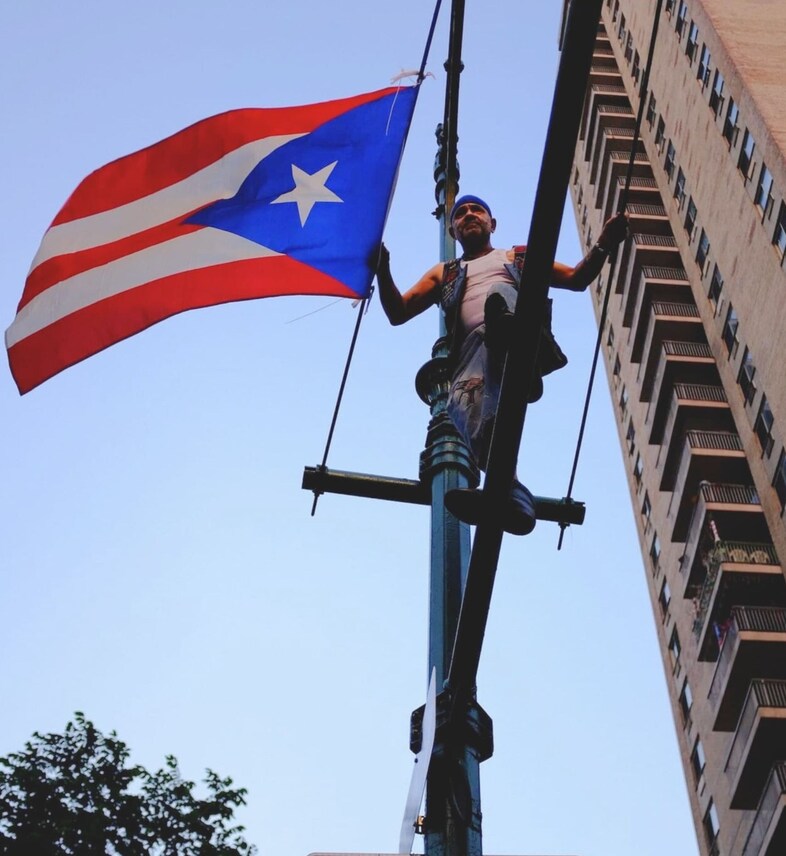
Filmmaker and journalist Taylor Hosking is a born-and-raised New Yorker, and her debut documentary West Side Familia opens with her witnessing a neighbourhood elder climbing a traffic pole to hang the Puerto Rican flag. It’s a fitting image to begin the film, which chronicles the relatively unknown impact of Puerto Ricans, and of the 1970s advocacy group “West Side Familia”, in particular, on New York City’s Upper West Side neighbourhood. As a native of the neighbourhood herself, Hosking interweaves her own personal family history with that of the group’s, making for a touching 75 minutes that sheds light on a forgotten chapter of New York history.
One More Show, directed by Ahmed al Danaf and Mai Saad, documents the journey of the Free Gaza Circus troupe, a group of circus performers attempting to continue their work amidst the ongoing genocide in Gaza. Made up of five Palestinian men displaced by the war, the troupe includes dancers, clowns and stilt walkers who cobble together what little resources they have to bring their show to children in the region. While their performances are for the children, it’s clear that the men, all grappling with the effects of displacement, need the sense of joy the troupe brings just as much as their young audience. Both harrowing and heartening, One More Show is a snapshot of the unwavering resilience of the Palestinian people.
If you’ve been lamenting our modern era’s lack of quality rom-coms, Call of My Life has come to answer your prayers. Set in Lagos, the film follows Soluchi, a call centre agent down on her luck. She’s a true lover girl, but her past relationship has left her feeling like she might be “too much.” Enter Eli, a handsome journalist who’s new to the city and utterly obsessed with her. The film, now showing at select theatres in the US and UK, has all the makings of a great rom-com: a supportive yet brutally honest best friend, a running-through-the-airport scene, and endless yearning. Through Call of My Life borrows from the genre’s tropes, it’s a romance that, for once, centers Black women and experiences from the African diaspora, making it feel like something entirely of its own.

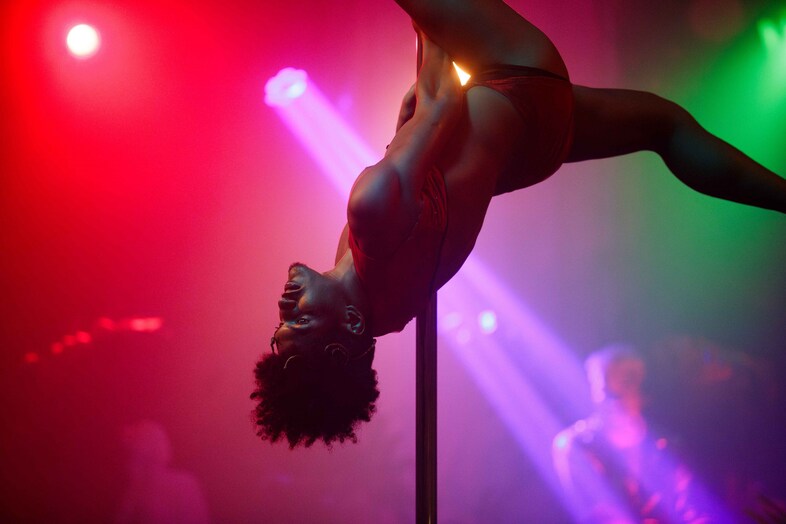
In a film industry obsessed with remakes, the originality of BlackStar’s selection is what makes the festival stand out. A prime example is Ulisses Arthur’s We Are Not Dreaming, which follows Ciro, a medical student and pole dance instructor in Brazil. By day, Ciro and his friends are trying to make it through their coursework whilst protesting against their university’s increasingly poor treatment of its students. By night, they train as dancers, using movement as a reprieve from the stresses of school and the struggle to make ends meet. When Ciro unexpectedly ends up moving in with his neighbour Antonio, an enigmatic DJ, his life takes a turn that puts his training to the rest.
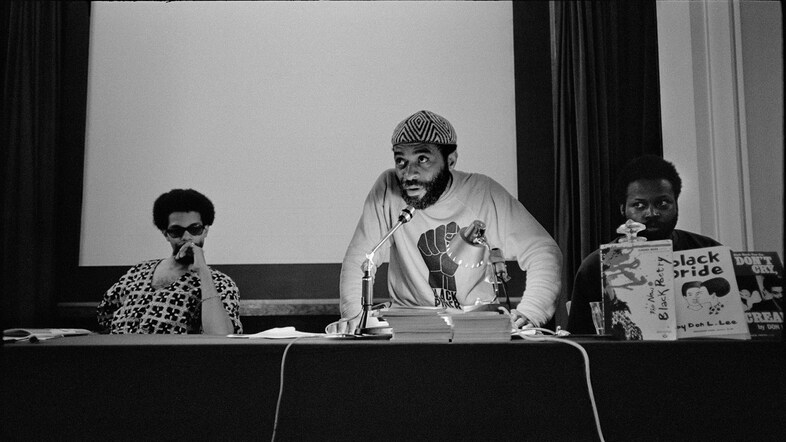
True North, a documentary by director Michèle Stephenson, presented me with a question under-investigated in Black history: What did racism look like for Black Canadians? Revisiting the migration of Black Caribbeans to Canadian cities in the late 1900s, True North documents the struggle for Black liberation in Canada, where Black people were even more of a minority than in the United States, and having parallel, albeit less covered, fights for freedom. The Sir George Williams affair, a 1969 student occupation protesting racism at a Montreal university, acts as the film’s focal point, with the incident illustrating how little is known of Black Canadian history. First premiering in 2025, True North is already available for streaming on PBS.
I saw a string of great shorts at BlackStar, but Buckskin was the one that left me sniffling in my chair. The experimental documentary is a portrait of Carroll B. Williams Jr, the first African American to receive a doctorate in forestry and entomology, told by his granddaughter Mars Verrone. Throughout the film, dizzingly beautiful shots of Californian nature, shot on 16-mm film, are soundtracked to Williams Jr’s reflections on his life and legacy as a Black forester. If you’re lucky enough to still have a grandparent in your life, watching this will make you want to call them immediately.
