
9 essential books to read by women in translation

As well as being the melancholic tail end of summer, August celebrates women authors from around the world brought to international attention by the art of translation. If you didn’t know it was Women in Translation Month, you are forgiven, as the project only began in 2014 when Meytal Radzinski, a book blogger and research scientist, created it to address the under-appreciation of women writing in languages other than English. While most of the world either reads in translation already or reads English as a residual scar from the British Empire, the anglophone world has been shamefully slow in reading beyond its own borders. Translators, who were once described by Paul Auster as the “shadow heroes of literature”, are now receiving increased appreciation as their work travels across and dissolves these borders.
The art of translation fundamentally warps and re-interprets language. Some aspects of the original meaning always remain lost in translation, but there’s beauty in how it excavates new interpretations too. This makes the translator a secondary authorial voice, layered over the original like tracing paper. In homage to this effect, these books blur voices, conventions, genres, soften the boundaries between real and unreal, and collapse borders both geographic and internal. Many of these authors contend with patriarchal violence and the disruption of war and revolution. Like their characters, they have crossed boundaries either by choice or forced displacement, found themselves imprisoned or speaking from beyond the grave – be that through magical realism or because an author’s voice still rings from her work long after she’s died, as long as someone, somewhere, is reading her.
To celebrate Women in Translation Month, here are nine translated novels to dig into.
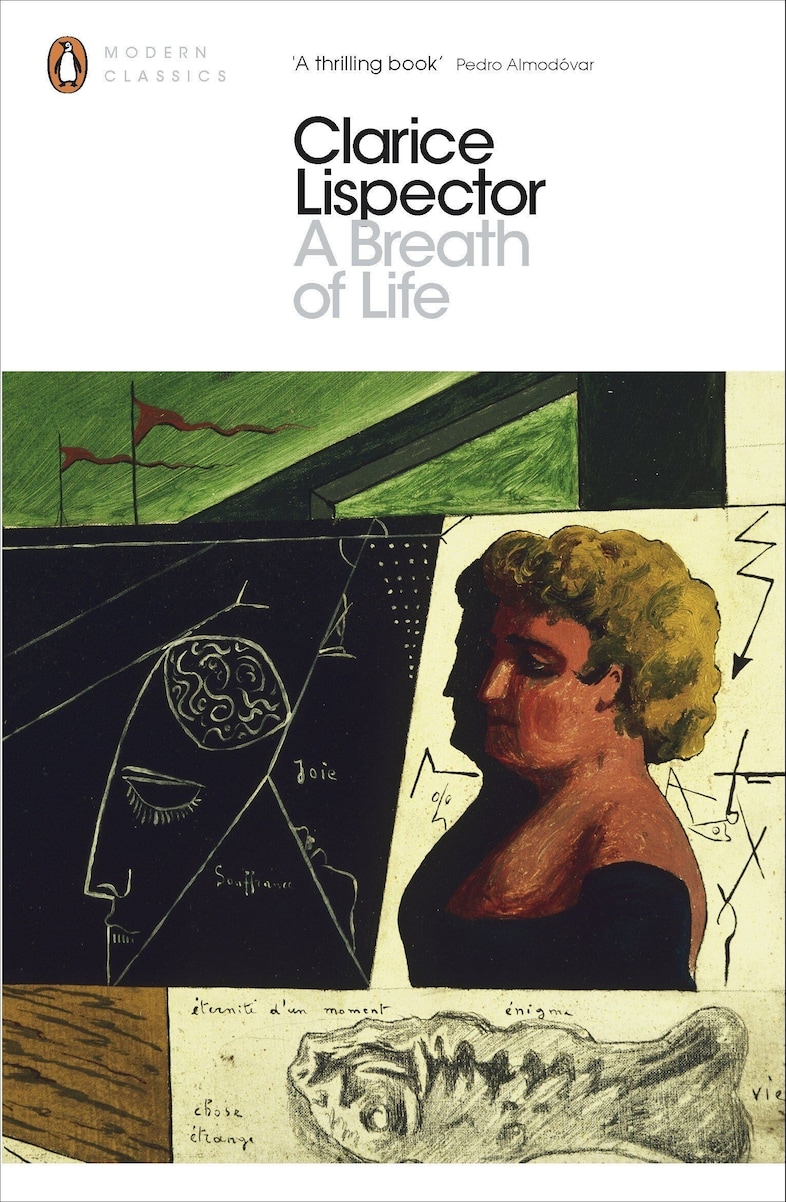
Ukrainian-born Brazilian writer Clarice Lispector is beloved for her distinctive and singular prose. Her work, which sits between modernism and post-modernism, is enjoying a deserved resurgence as recent translations have introduced her to new audiences who appreciate her introspective, existential and feminist themes. A Breath of Life was put together by Olga Borelli, who discovered it in fragments after Lispector’s death. In the novel a male author, a thinly disguised Lispector, is in dialogue with his female character Angela in a ouroboros-style narrative. Authorship, narrative voice and character are all unsettled here; the veils between them thin and porous.

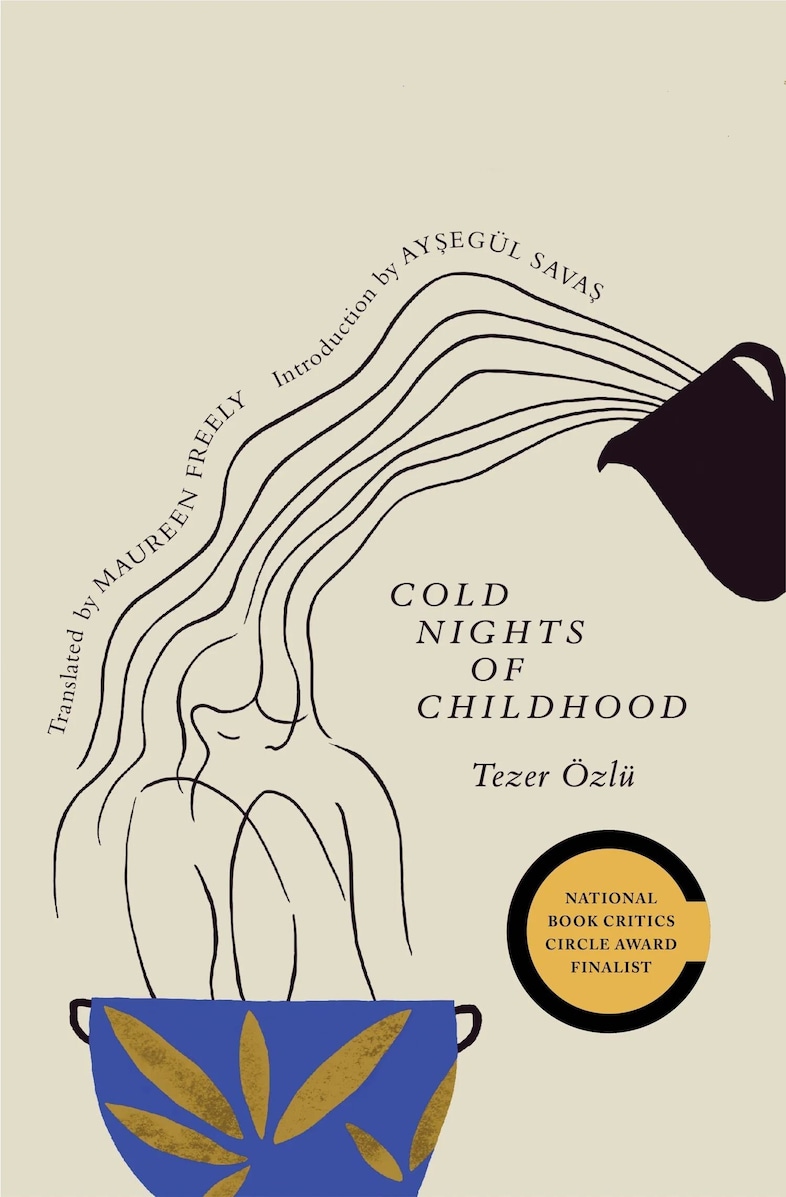
Özlü is a widely treasured author in her native Turkey but, unlike Lispector, she lacks the recognition she deserves in the anglosphere, unlike Lispector. Happily, this is starting to change thanks to Maureen Freely, who is translating more of her work. Cold Nights of Childhood is a melancholy but stunning novella about a woman alienated and adrift in both the world and her own mind. Set amid the political uprisings of 1970’s Istanbul, she feels no connection to nationalism or politics, instead recounting events which overlap with Özlü‘s own life. Not bound by linear time, the prose is impressionistic and poetic, yet refuses to moralise or self pity.
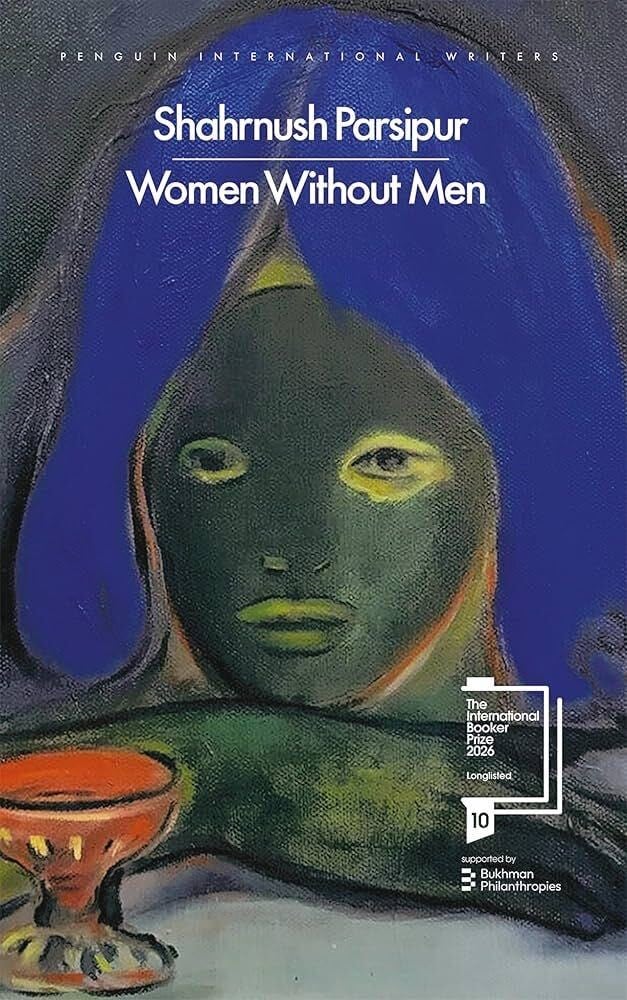
Longlisted for the International Booker Prize 2026, Women Without Men was originally published in 1989 following Parsipur’s release after five years of imprisonment without formal charge. The novella led to her being imprisoned yet again for its frank depiction of women’s sexuality. It follows the interconnected lives of five women and its commentary on Iranian society is powerfully feminist. Employing magical realism and allegory, the women’s voices at times speak beyond death. Challenging the idea of Muslim women as docile and submissive, its characters are active in their search for a small utopia. Parsipur died only last month at the age of 80; one of her last public comments was against the US attack on Iran, saying it will be “the women of Iran who will cause the fall of the Islamic Republic”.
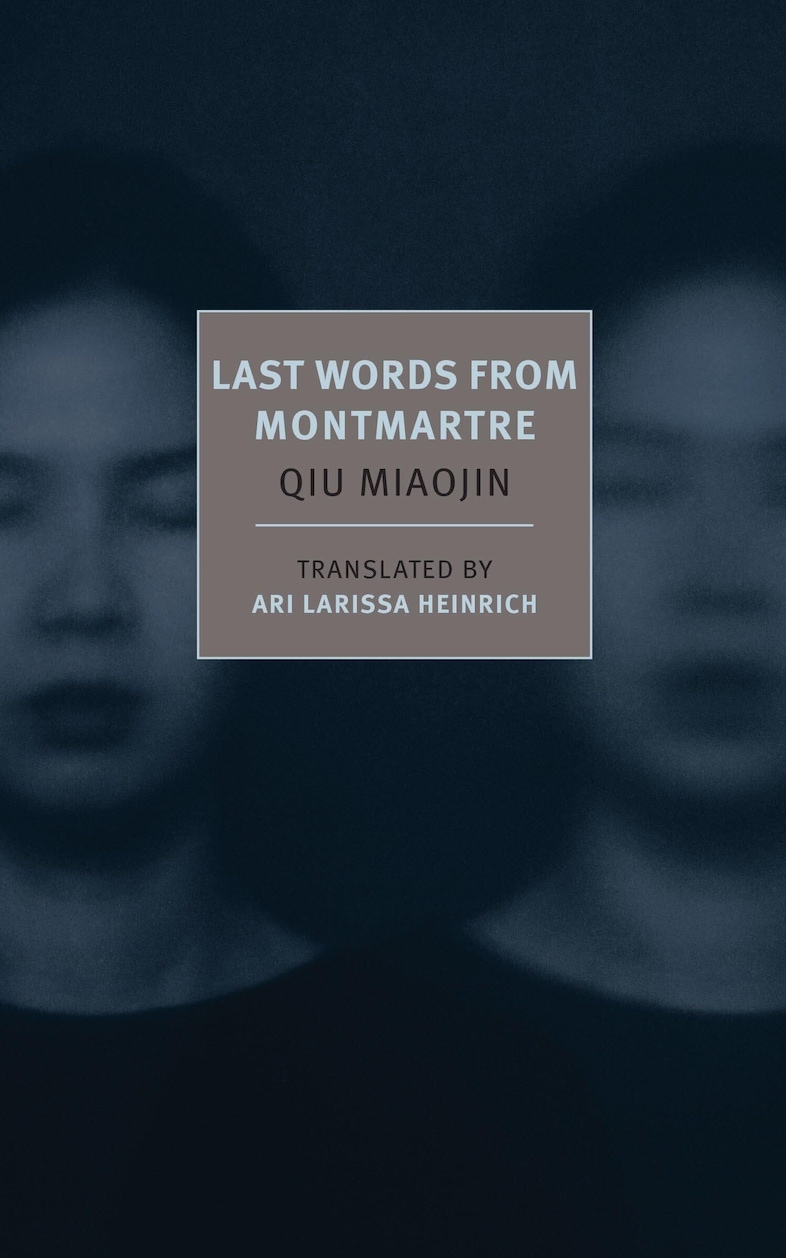
Last Words From Montmartre begins with an epigraph from Clarice Lispector and unfolds through a series of letters from an unnamed narrator telling the story of two young women in love, their sexual awakening and devastating breakup. Miaojin troubles the boundary between author and narrator through this form, and instructs the reader that the book can be read in any order. These elements make it comparable to both The Breath of Life and Cold Nights of Childhood. Miaojin tragically committed suicide in 1995 at the age of only twenty-six, and the dedication of Last Words is: “For dead little Bunny and Myself, soon dead”.
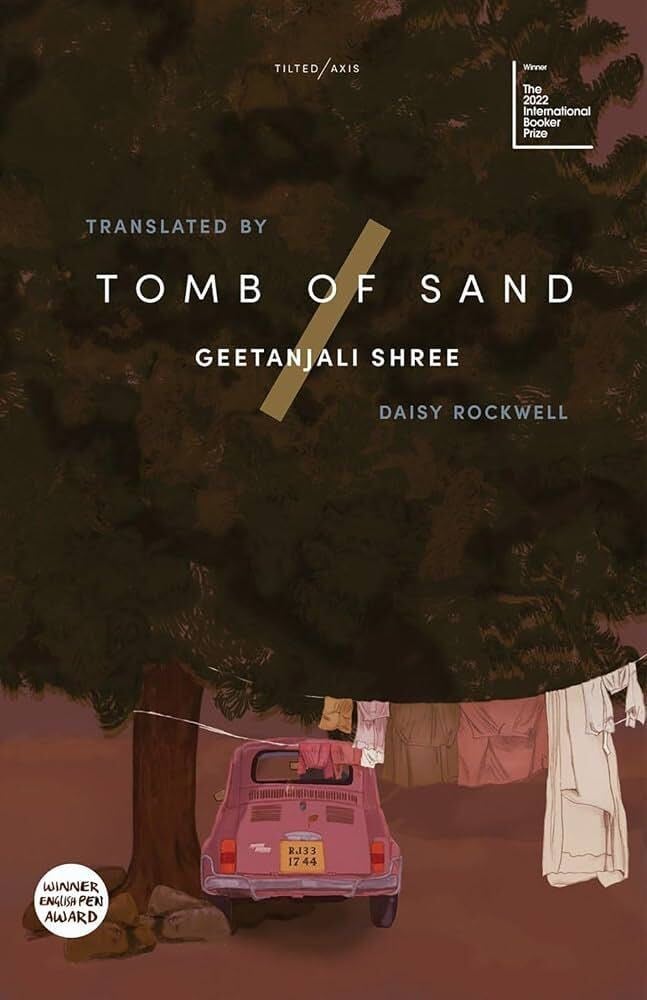
Winner of the International Booker Prize in 2022, Tomb of Sand follows an older woman left depressed after her husband’s death in Northern India. Instead of remaining in this state, she finds the opportunity for reinvention and strikes up a friendship with a hijra person (a Hindustari word referring to third gender, transgender or intersex people). She crosses the border to Pakistan to confront the trauma of the 1947 partition of India in her youth and re-evaluates her identity. The book protests borders between land, gender and identity and meditates, much like the work of Lispector and Miaojin, on how a story never really ends.
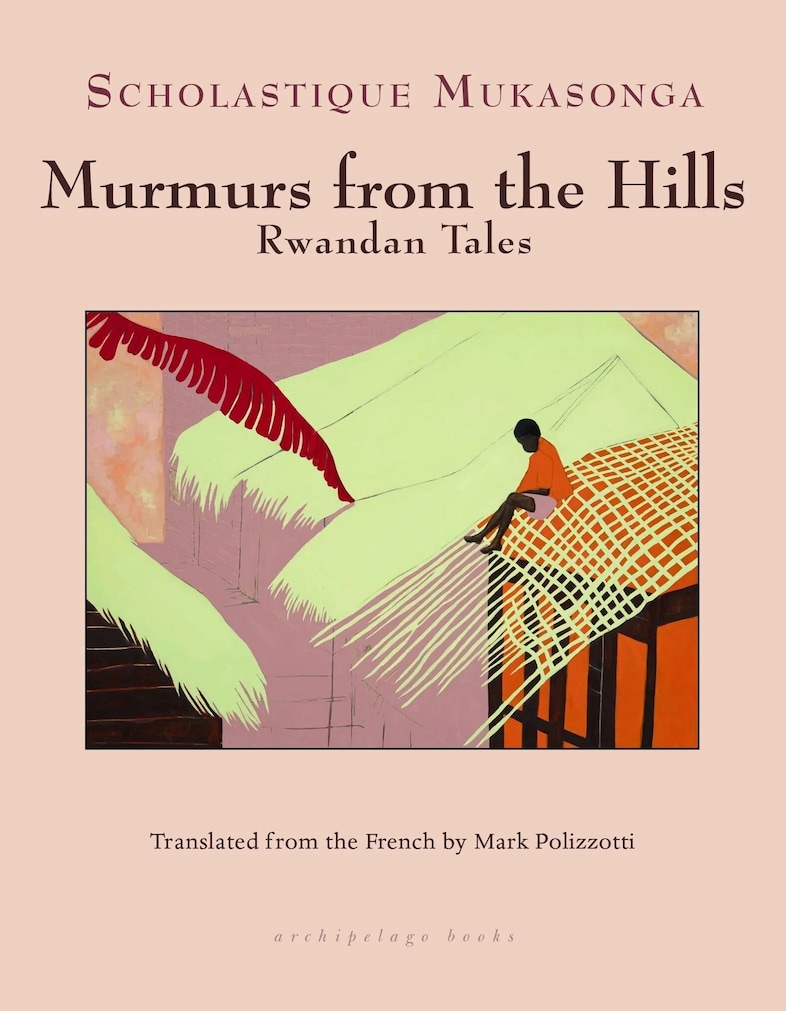
Due to be published in English on 10th November 2026 but written in 2014, this collection of short stories is a blend of autofiction and folklore. Set in ancient pre-colonial Rwanda, its overlapping voices and collective knowledge reinvigorate the past with myth and memory. Mukasonga’s work is known for its unflinching engagement with the 1994 Tutsi genocide in which 37 members of her own family were killed. Murmurs from the Hills builds on this past work by looking back into the pre-colonial past to imagine how a future could look.
Published this year in February by Fitzcarraldo Editions, The Disappearing Act begins “In the summer of 2023 the grass carried on growing as if nothing at all was wrong”. Following a writer known as M., who is living in exile whilst her home country wages war on its neighbour, the autofictional perspective meditates on guilt and the alienation one can feel towards their own country and language. M. notices herself gradually disappearing as she is stranded in an unfamiliar city, but part of this feels like a liberation. Evoking similar themes as Cold Nights of Childhood, the rejection of nationalism accompanies a resigned, melancholic freedom in alienation.
Pact with the Devil on my own Skin by Stanisława Przybyszewska featured in @culture_plpic.twitter.com/QLE8r7HmS6
— Contra Mundum Press (@_contramundum_) May 4, 2026
Forthcoming in 2026, this collection of stories blurs history and autobiography. It is to published by Contra Mundum Press, which focuses on the most experimental modernist writers, as part of an effort to bring Przybyszewska into wider public consciousness – until recently, she was largely known for being the daughter of the novelist Stanisław Przybyszewski, and for writing a play, The Danton Affair, set during the French revolution. Contra Mundum describes her as “frank, formally adventurous and challenging, radical for her day when it came to gender politics.” Compared to the likes of Franz Kafka and Hermann Broch, this is an incredibly exciting and promising reinvigoration of an overlooked author.
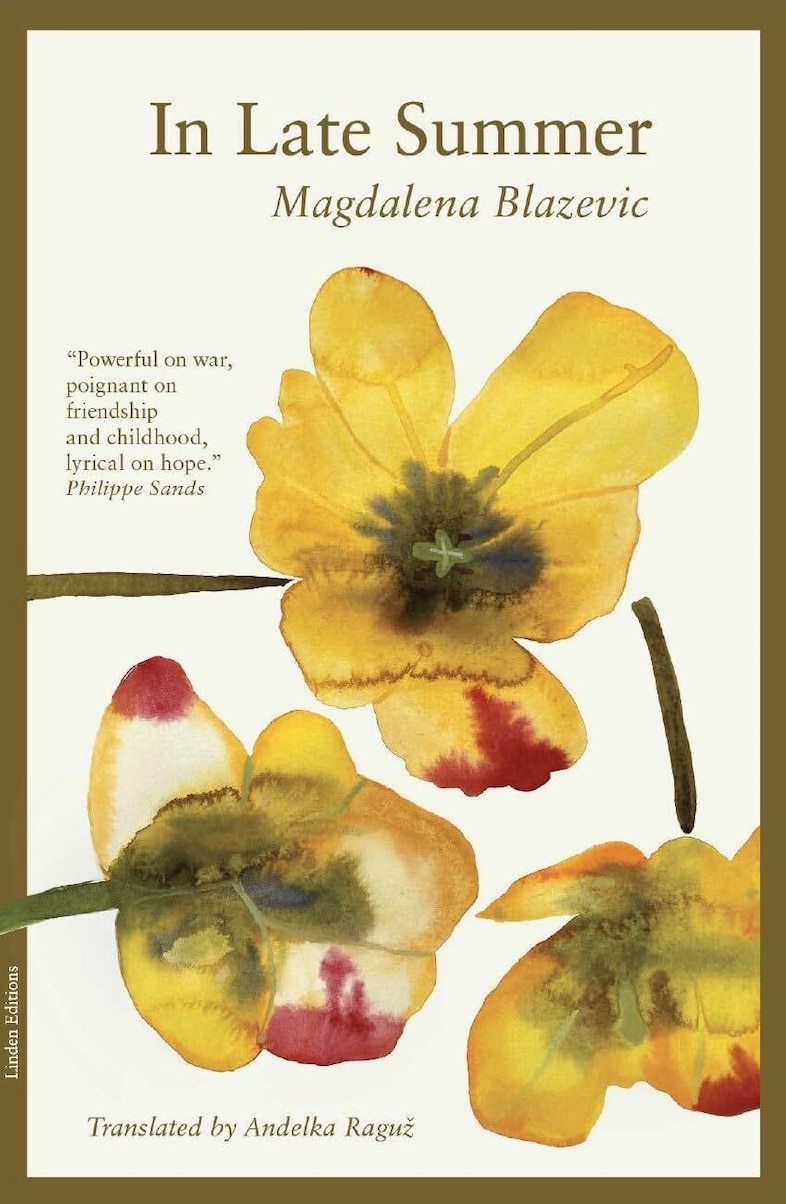
Early on in the novel, the narrative voice of In Late Summer becomes a ghost, in a shift that provokes consideration of how fiction can allow the silenced to speak. Written from the perspective of a 14 year old girl killed in the 1993 massacre in Bosnia, it was based on the author’s own experiences of those events. The beauty of ordinary rural life is disrupted by war and replaced with a reality of daily violence. It was shortlisted for the 2026 Dublin Literary Award and published by Linden Editions, whose aim it is to bring deserving works in translation to international exposure.
