
Hot couture: How will extreme heat change the fashion industry?

Maiden Voyage 2026
Gallery / 32 images
If one accessory ruled this summer, it wasn’t raffia beach bags or bug-eyed shades. The handheld fan – frantically flapping in festival crowds, whizzing silently on public transport or draped over shoulders as a resourceful, futurist-apocalyptic form of neckwear – is now a summer staple. But what sets it apart from polka dot capri pants or split toe footwear is that it isn’t really a trend at all. It’s a crucial adaptation for living in a hotter world.
Since men’s fashion week in June – when temperatures reached 41 degrees celsius in Paris – Europe’s fashion industry is no longer able to ignore the practical implications of the climate crisis. Shows (including Dior and Rick Owens) were rescheduled to the early morning to avoid blistering afternoon heat. Parasols, fans and water bottles became an essential part of the fashion editor’s toolkit. The collections themselves reflected a changing wardrobe for a rapidly changing world.
At Dior’s SS27 men’s show, Jonathan Anderson showcased semi-transparent pinstriped and checked suits crafted from translucent silk chiffon. “No joking: How to dress for the inferno of summer is a real fashion issue to be dealt with everywhere,” Vogue critic Sarah Mower wrote in her Dior show report. Meanwhile, at Comme des Garçons Homme Plus the opening looks were made entirely from light and breezy striped shirting cotton.
Even couture, known for heavy gowns and rich materials, was stripped back. There were transparent, airy kaftans at Fendi and sheer, sleeveless tweed suits at Chanel – light enough to fold up and pack neatly into a small suitcase. High street retailers are adapting too, with H&M recently announcing they will be designing their autumn collection out of lighter materials in anticipation of soaring September temperatures.
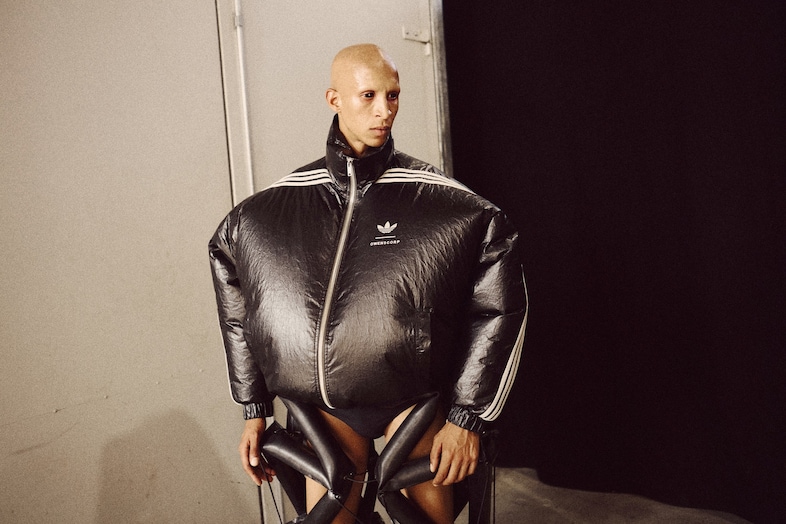
At Rick Owens, design went beyond lightweight textiles to focus on utilitarian innovation. Outsized, inflatable black puffer jackets and matching trousers housed miniature electric fans to keep goths cool in the summer heat. Whether innovations like this transition from the runway into mainstream fashion remains to be seen, but it’s not enough for summer clothes to just look good anymore. Extreme heat is changing the properties we expect our clothing to have.
According to Emily Gordon-Smith, content director at trend forecasting agency Stylus, innovations around cooling technologies and UPF clothing – designed to protect your skin from the sun’s powerful UV rays – will soon become a big market, but western fashion has been slow to adapt. “Consumer demand will quickly outpace brand response,” she says. “Brands like Uniqlo and Bosideng are leading in delivering real UPF innovation while cooling devices like Daiso’s neck cooler band and ByCruise’s ultra-chic and resilient handheld paper-look fan are selling out fast, but no one is owning either the traditional paper fan category nor innovating enough in the consumer tech device area.”
Dior SS27 men’s
Gallery / 30 images
Festival fashion is changing beneath the weight of the climate crisis too. Last year, London’s All Points East festival issued a dust warning, urging festivalgoers to come equipped with sunglasses, reusable water bottles and face coverings due to extremely dry and dusty conditions. Reports and photos from this month’s Maiden Voyage, Houghton and Boomtown festivals show a similarly bone-dry landscape with some attendees turning scarfs, bandanas and balaclavas into face coverings to style out these apocalyptic conditions. “It’s this added thing that people are going to think about,” says sustainable fashion advocate Brett Staniland. “You leave the house now thinking, ‘I look nice, but will I be able to breathe? Will I be too hot? Have I got a bottle of water with me? Do I have a portable fan?’”
Extreme heat is impacting fashion not just sartorially, but structurally. Attendance for some shows at Paris Fashion Week men’s fell by as much as 50%, according to Staniland. Fashion is a physical industry. If people can no longer comfortably attend fashion shows, shop in person or work in uncooled studios and factories, there will be increasing disruption. Trips to the high street were down by 6.2% in the UK in June, a decline that the British Retail Consortium attributed to the heatwave. “Independent brands will suffer the brunt,” says Staniland. “This means fewer opportunities to grow their brand and give them the exposure they desperately need. Designers aren’t happy, and they’re the ones that are trying to find solutions more often than not.”
Fashion will adapt, but adaptation creates its own problem. Many climate activists suggest that adaptation alone is not an adequate solution. It raises uncomfortable questions about whether fashion can respond to climate change without turning it into another consumer trend. As the fashion industry is responsible for 10% of global carbon emissions, responding by creating more products – such as cooling jackets, lighter fabrics and portable fans- risks ignoring the root cause and contributing further to the climate crisis. “The fashion industry is co-opting and using extreme heat as an opportunity to create or expand a market,” says climate activist Emma de Saram. “They’re adapting to a problem that they’re further perpetuating.”
Additionally, heatwaves have made the wealth divide feel even starker. Not everyone will have access to state-of-the-art climate-adaptive clothing. Fashion professionals who work in hot shops and factories, rely on public transport and live in apartments without air-conditioning will suffer more. “I think it will get to a point where people start disrupting fashion weeks because it’s so antithetical to everything that is required for this planet to continue in a habitable sense,” says fashion climate activist Tori Tsui. “The turning point will have to be when things get so bad that it will be akin to another pandemic, where we actually cannot operate as usual because there are literal barriers for us to do that.”
Fashion has always adapted to changing environments and social norms. The difference now is that the climate is changing faster than the industry’s infrastructure can accommodate. There is a real need to pay attention to the root cause of the rising heat alongside adapting to it. There are many responses at play, but one thing is certain: fashion cannot ignore these heatwaves any longer. “The fashion industry has to contend with the fact that change is coming that’s going to affect their business,” concludes Tsui, “but people are not going to stand for it. We have to be prepared for disruption.”
