
A low score on these tests may warn of greater chance of stroke, scientists discover

Want to bookmark your favourite articles and stories to read or reference later? Start your Independent Membership today.
Already a member?
Log in
Older adults in their 60s who score poorly on cognitive tests are at a greater risk of having a stroke in the future, according to a study published Wednesday.
Nearly 5,000 Swedish adults between 60 and 80 years old were tested on thinking ability, memory and how fast they processed information between 2001 and 2023. Among adults aged 60-69, those who scored lower on thinking ability tests had an 86 percent higher risk of a stroke.
Scoring lower on memory tests was tied to a 68 percent higher risk and lower processing speed scores were associated with a 66 percent higher risk.
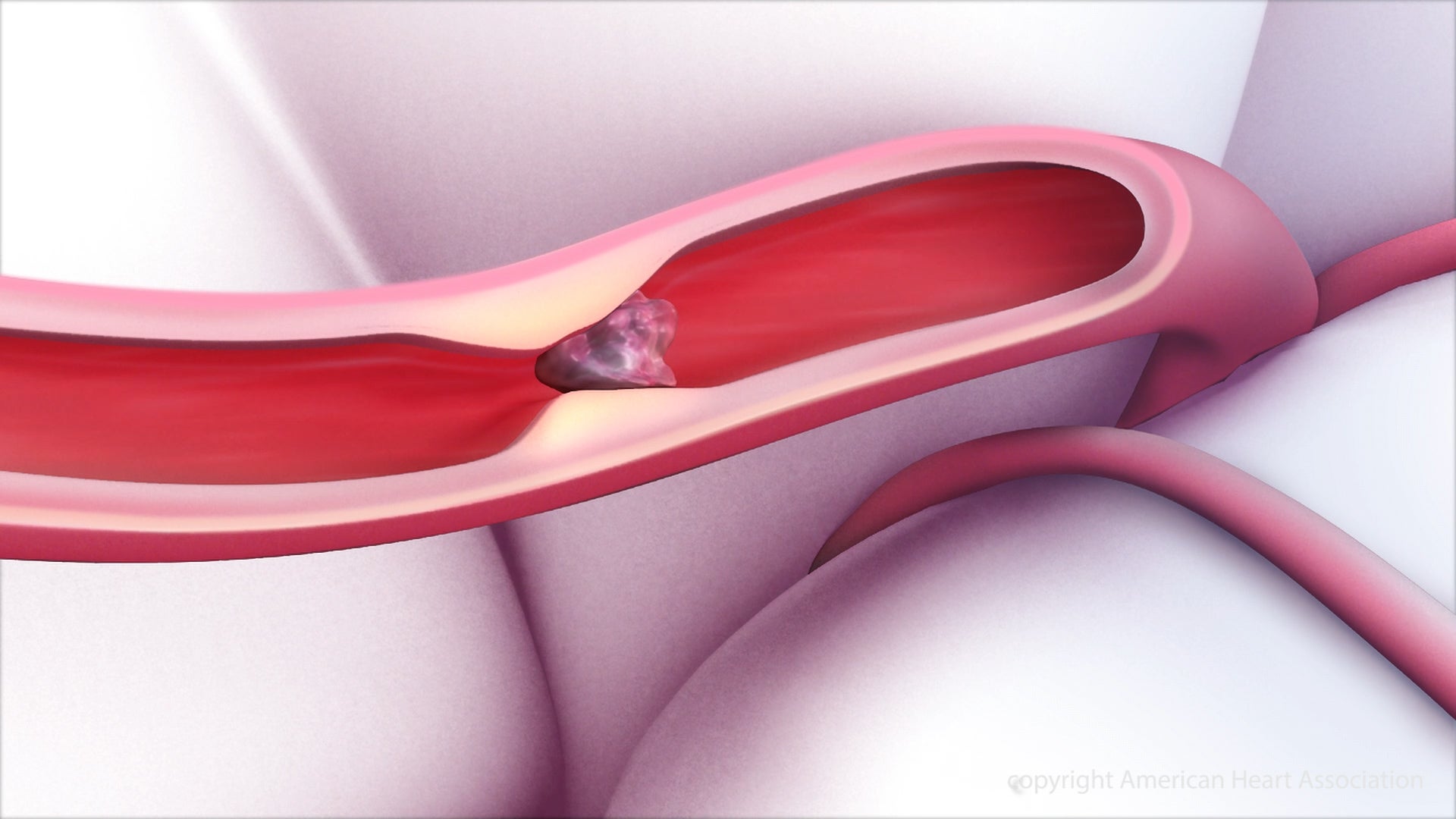
A stroke occurs when blood flow to a part of the brain stops or gets blocked, resulting in paralysis, an inability to speak, loss of memory and even death. One in four adults will suffer a stroke in their lifetime, according to medical researchers.
The risk of stroke increases as we age, according to the Centers for Disease Control and Prevention, doubling every 10 years after age 55 – though many people under age 65 also have strokes.
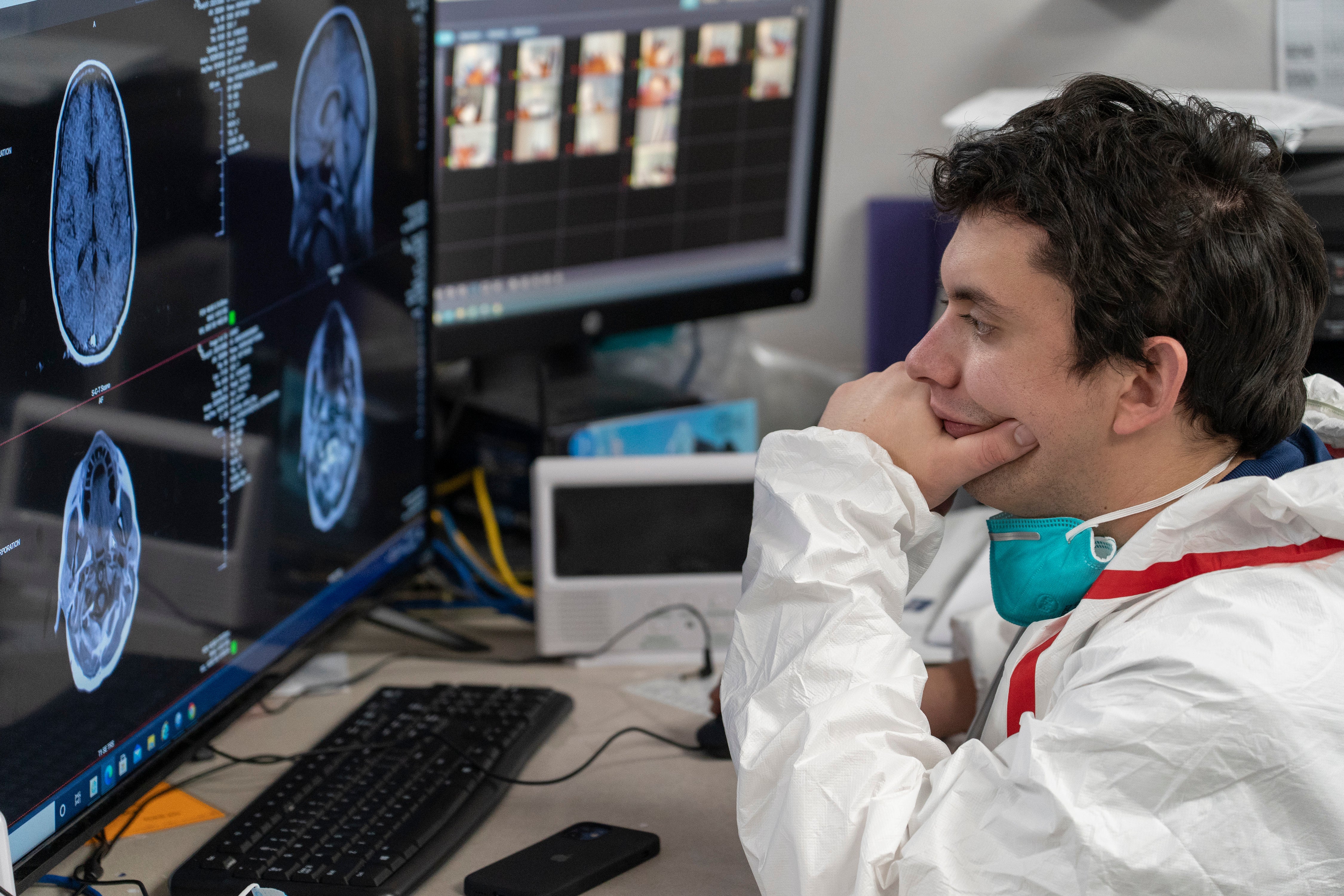
But, interestingly, the same risk pattern identified in the study was not seen among participants in their 70s and 80s, the study’s authors noted.
That may be because brain injuries may be easier to detect in the younger adults, Dr. Alice Askemyr, a geriatrics researcher at Sweden’s Lund University and lead study author, explained in a release.
“So-called ‘silent’ brain injuries can affect both cognitive functioning and the future risk of stroke,” she said.
“They affect roughly 70 percent of adults over age 70, so their effects may be easier to detect among people in their 60s, when such injuries and other factors that can affect cognition, including medical conditions and medications, are less common.”
That means the younger adults who performed the worst on the tests may have already had undetected brain injuries.
The findings indicate that people need to focus on their brain health early – though Askemyr noted their findings might not extend to other countries due to differences in lifestyle and socioeconomic factors.
People should take steps to reduce risk starting in their 40s and 50s, according to Dr. Elisabeth Breese Marsh, a professor of neurology at Johns Hopkins Medicine who was not involved in the study.
“This study, in conjunction with others, supports how important it is to be aggressive in managing vascular risk factors and focusing on brain health in midlife, before many people typically begin to think about it,” she said.
That could mean making major lifestyle changes to diet, fitness, sleep and stress levels. Maintaining a healthy weight, lowering blood pressure levels and reducing salt intake are all ways to lessen risk, according to Harvard Health.
Head injuries are also something to avoid, if possible, as 2024 Penn Medicine research shows the rate of stroke is higher in people who experience at least one.
“However, because we don’t know for sure if there is something about the cognitive impairment itself that further increases risk of stroke, the study also provides a new potential screening factor to identify those with higher stroke risk,” Marsh added.
