
Supporters who pushed for Texas abortion law appeared to boast about ordering pills. Now they’re getting sued under their law

Want to bookmark your favourite articles and stories to read or reference later? Start your Independent Membership today.
Already a member?
Log in
A Texas woman is suing four anti-abortion activists under a state statute their own organization supported, alleging they illegally ordered abortion pills during an undercover operation.
The lawsuit was filed on Tuesday by Maria Puerto, a pseudonym used by the 26-year-old plaintiff, as reported by The New York Times.
The four defendants named in the complaint are Kristan Mercer Hawkins, the founder and president of Students for Life — a national youth anti-abortion organization — and staff members Lydia Taylor Davis, Jamie Curry and Megan Roos.
The lawsuit stems from a March Instagram post in which Hawkins shared a photo taken with two staff members outside Space Center Houston. Overlaid text on the image read: “Guess what we are doing? Ordering abortion pills undercover? Yep. Stay tuned.”
House Bill 7, formerly titled the Woman and Child Protection Act, went into effect last December. The statute permits private citizens to file civil suits against anyone who mails, delivers, prescribes or provides abortion pills to or within Texas, as well as those who intend to do so.

Successful suits carry statutory damages starting at $100,000 per violation. The law explicitly exempts women who seek or obtain abortion medication for their own pregnancies.
In the filing, lawyers contend the defendants were not pregnant when making the request, placing them directly within the purview of the statute. Puerto is seeking $459,782 from the four activists, an amount the suit notes reflects the estimated average cost of raising two children to age 18 in Texas.
Under the law, plaintiffs who were not pregnant when obtaining pills may keep up to $10,000 of an award, with remaining funds placed in trust for a designated charity.
Puerto told The New York Times she intended to direct any remaining proceeds to Jane’s Due Process, a non-profit assisting minors affected by state abortion restrictions.
The suit claims the defendants used a smartphone to order the medication, questioning their motives and whether false statements were made to secure the pills. According to the complaint, the social media upload appeared “to be nothing more than a publicity stunt intended to stoke fear among the physicians providing telemedicine abortion services to Texans.”
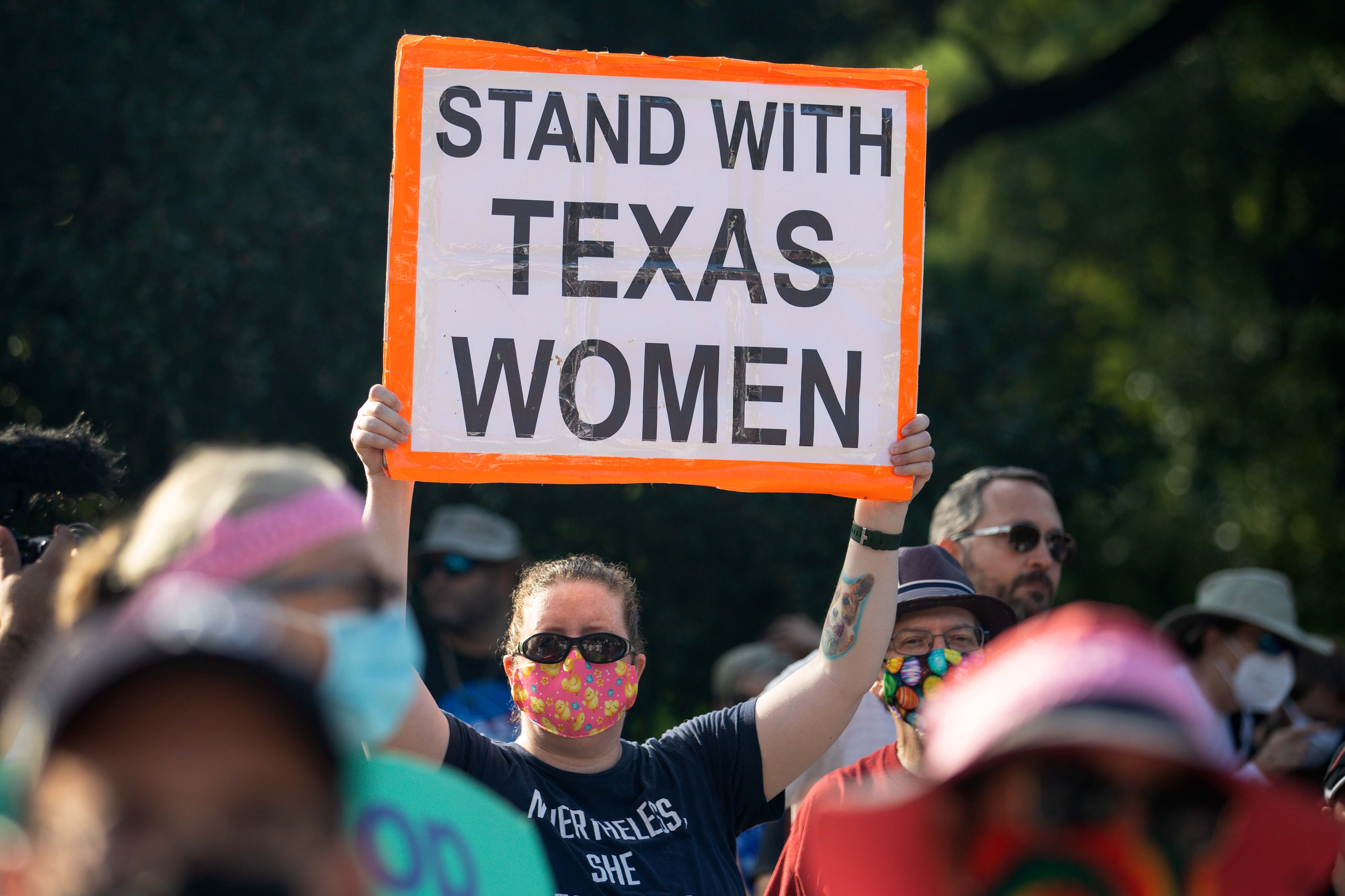
Molly Duane, litigation director at Amplify Legal and attorney for Puerto, criticized the defendants’ actions.
“They bragged publicly about violating a law that they themselves had worked really hard to get passed,” Duane said. “So you know the hubris really of breaking a law that you advocated for. I don’t think it’s funny.”
Puerto has no personal connection to any of the four defendants or Students for Life, an organization whose political arm previously took credit for aiding the passage of the Texas law.
Puerto said the state’s abortion laws drove her decision to file suit.
“I want justice for what these laws have taken from women like me,” Puerto said. “I felt bad, because these are young women who are supposed to support each other. Instead, it feels like they are mocking women like me.”
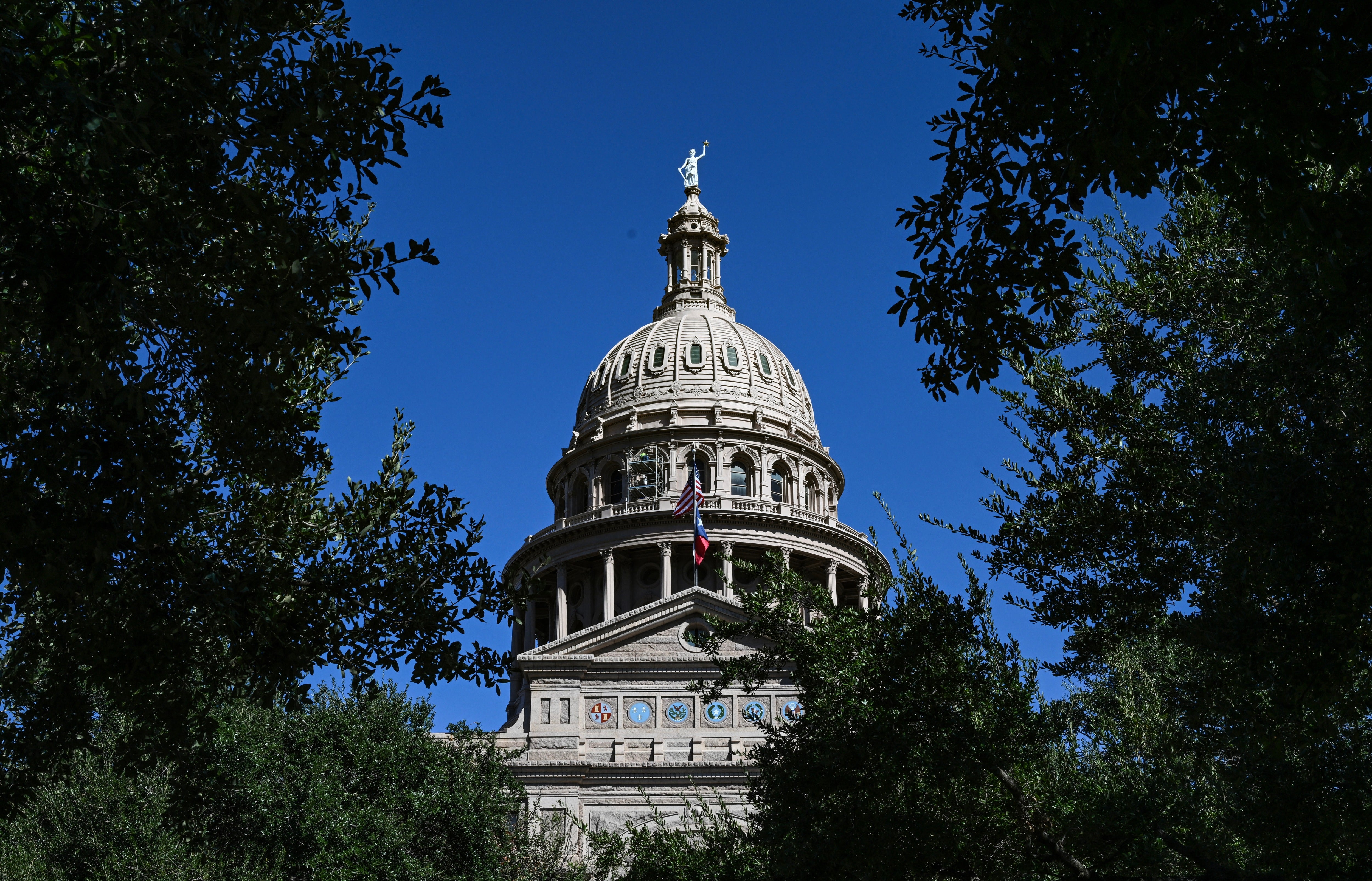
Living in South Texas, Puerto became pregnant in 2022 while taking birth control, following the implementation of Texas’s broad abortion ban. Unable to travel out of state and caring for her ailing mother, she carried the pregnancy to term. According to the lawsuit, severe morning sickness caused her to miss classes and lose a scholarship, and she was later fired from her job at a convenience store.
“I had everything in my hands,” Puerto said in an interview in Spanish. “But the laws came like a hurricane and took everything away.”
Following a second pregnancy in 2024, Puerto now lives in a single room in her mother’s trailer, sharing a bed with her two children.
“They knocked me down,” she said of the lawmakers supporting the restrictions. “But they didn’t know that I was going to get back up stronger.”
The Independent has contacted Students for Life, the defendants’ organization, for comment.
