
Can testosterone improve menopause symptoms? Here’s what the experts say

Want to bookmark your favourite articles and stories to read or reference later? Start your Independent Membership today.
Already a member?
Log in
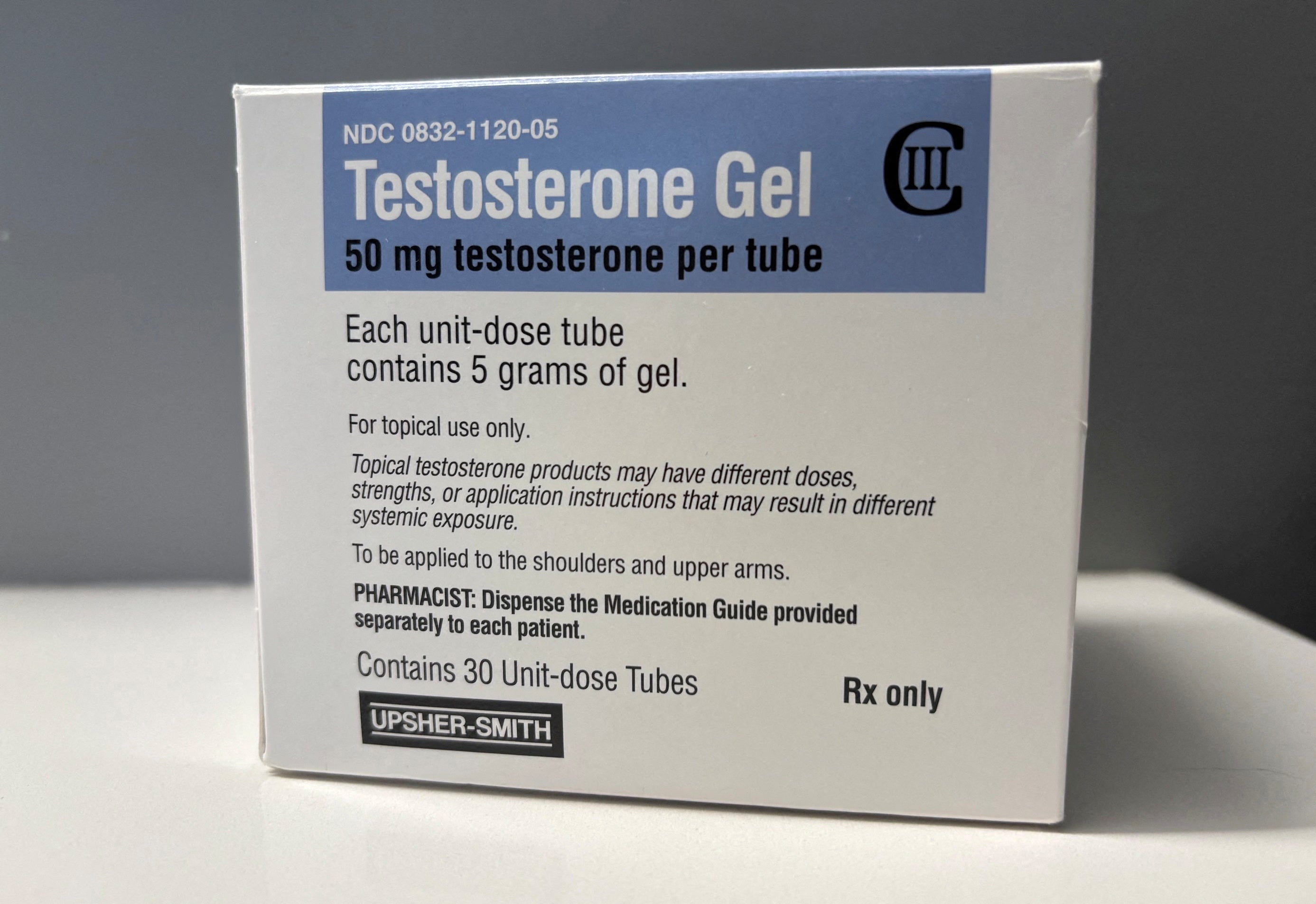
Testosterone has shown “insufficient” evidence to support social media claims that it can improve certain symptoms linked to the menopause, according to a new study.
Social media has been rife with claims that testosterone can improve brain fog and memory symptoms in menopausal women.
However, experts say that while anecdotal information exists around the effects of testosterone, there is currently not sufficient evidence to make any definitive claims.
According to University College London (UCL), prescriptions for testosterone have “increased across NHS and private clinics in the UK”, which are largely “reflecting growing interest in its role during menopause”.
The team reviewed five studies which looked at testosterone can improve learning and memory in post menopausal women.
Some 244 women with an average age of 57 involved in the review were given either a placebo dummy drug or testosterone at varying levels.
The studies took place over four to 26 weeks. The research team did not find statistically significant improvements for cognitive function among participants taking testosterone.
“The findings should be interpreted as insufficient to establish an effect, rather than as evidence of no effect,” the authors wrote in the journal Reproduction And Fertility.
Professor Aimee Spector, senior author of the study and director of the UCL Menopause Mind Lab, said: “Social media is flooded with claims that testosterone improves memory and brain fog, and we hear of many women taking testosterone specifically to manage these symptoms during the menopause.
“While there may be some anecdotal evidence for this in perimenopausal women, we cannot claim testosterone improves cognition during menopause without further evidence.
“More research is needed to understand any links between testosterone and brain health.”

Corresponding author Dr Alexandra Faulkner, from UCL’s division of psychology and language sciences, added: “Our review found that the available evidence is limited and insufficient to determine the effect of testosterone therapy on cognition in women during the menopause transition and post menopause.
“This reflects a lack of sufficient evidence rather than evidence of no effect.”
Around 13 million women are estimated to be peri or menopausal in the UK. Menopause happens when a woman’s periods change and eventually stop due to lower hormone levels.
It is thought that testosterone levels do not acutely change during menopause, but instead begin to decline from a woman’s mid-20s to early 30s, the UCL team said.
The NHS website states that testosterone gel or cream can help to improve low libido for some women in the menopause.
The hormone can be obtained on prescription from a menopause specialist, the website adds.

The research team called for more work to examine the impact of testosterone on cognition during the menopause.
Experts at Cardiff University are currently studying whether adding testosterone to standard hormone replacement therapy (HRT) can reduce menopausal symptoms beyond its effect on libido.
The trial, which will involve 400 women and is due to conclude in 2029, aims to publish findings on whether testosterone can impact cognition, exercise, motivation and energy levels among menopausal women.
Earlier this year it emerged that women are posing as men to buy testosterone from online pharmacies to get hold of prescriptions.
Menopause specialist Dr Michelle Olver told the BBC that she had seen women with up to 12 times the safe level of the hormone after online purchases.
